The Nigerian Institution of Marine Engineers and Naval Architects (NIMENA) has called for the creation of an indigenous classification body and homegrown marine standards, urging Nigeria to take control of its maritime future and strengthen technical sovereignty.
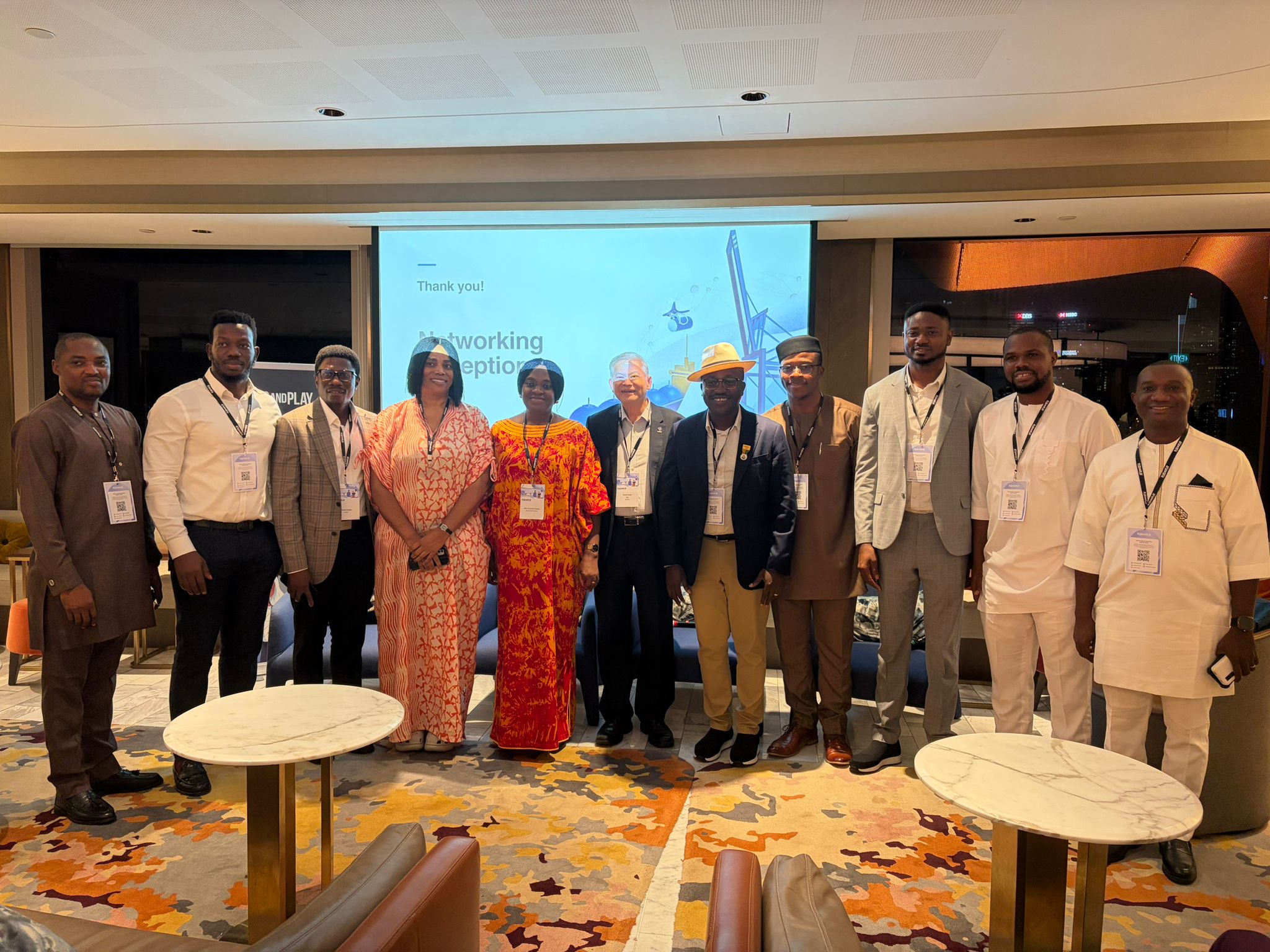
Speaking at the Plug and Play x NIMENA Innovation Night during Singapore Maritime Week, NIMENA National Chairman, Engr. Dr. Eferebo I. Sylvanus, said Nigeria must move beyond being a passive player in the global maritime sector and position itself as a competitive force driven by innovation and local expertise.
Addressing international maritime leaders, policymakers, and investors, Sylvanus said Nigeria can only unlock the full potential of its blue economy by building technical capacity from within.
“Technical sovereignty is the foundation of economic sovereignty. We cannot continue to build critical sectors on imported expertise alone,” he said.
He stressed the urgent need for Nigeria to establish an indigenous classification society and develop marine standards tailored to local realities.
“Technical sovereignty through an indigenous classification society is a very critical aspect that needs to be echoed. We must prioritize creating marine standards and ensuring indigenous local vessel classifications and standards are developed locally,” Sylvanus added.
He also pushed for the adoption of the Triple Helix model, which promotes collaboration among government, industry and academia to drive research, innovation and industrial growth.
According to him, stronger collaboration among the three sectors will help Nigeria build a sustainable innovation ecosystem for maritime development.
The event drew participation from key government, diplomatic and industry stakeholders, including Chairman of the House of Representatives Committee on Nigerian Content Development and Monitoring, Hon. Boma Goodhead, who pledged legislative backing for stronger local content in the sector.
“Our focus remains on creating a legislative environment that mandates and supports the utilization of local talent and resources. It is through such deliberate policy frameworks that we can ensure the maritime sector becomes a true cornerstone of our national economy,” Goodhead said.
Drawing lessons from Singapore’s maritime success, Sylvanus said Nigeria must pursue policy consistency and integrate academic research into industrial development if it hopes to compete globally.
Session moderator John Ang reinforced that point, saying innovation thrives when collaboration becomes part of institutional culture.
“The most successful innovation ecosystems are those where collaboration is not optional—it is embedded into how institutions, startups, and governments operate daily,” he said.
Industry expert Hemant Naik also highlighted the role of partnerships and regulation in driving innovation.
“As we scale new energy shipping solutions globally, the countries that will lead are those that can de-risk innovation through strong partnerships and clear regulatory frameworks,” he said.
Other participants, including Nigeria’s Head of Mission to Singapore, Amb. Francisca K. Omayuli, and President of the World Federation of Engineering Organizations, Dr. Seng-Chuan Tan, witnessed NIMENA’s roadmap for a technologically independent maritime sector.
The discussions also focused on practical solutions, including the establishment of maritime technology innovation hubs and joint Nigeria-Singapore research initiatives to close gaps in technical infrastructure.
Supporting the call for indigenous innovation, Dr. Augustine Ada Elakpa said Nigeria must invest in applied research capable of solving industry challenges.
“For Nigeria to truly compete, we must invest in applied research that directly solves industry problems. Innovation must be practical, scalable, and locally relevant,” he said.
The event also spotlighted digital transformation as startup founders and tech entrepreneurs pitched maritime solutions to global investors, showcasing Nigeria’s emerging technical talent and innovation potential.
Sylvanus said Nigeria has vast opportunities in maritime logistics and offshore energy but must move from ambition to execution.
“Nigeria does not lack potential; what is required now is structured execution,” he said.
“With the right alignment of policy, people, and partnerships, we can transform our maritime sector into a major driver of national economic growth.”
NIMENA maintains that stronger policy support, local technical standards and global partnerships can position Nigeria’s maritime sector as a key driver of economic growth and long-term stability.




 Quick Read
Comments