



Trump signals rejection of Iran’s offer as Strait of Hormuz standoff deepens

 Quick Read
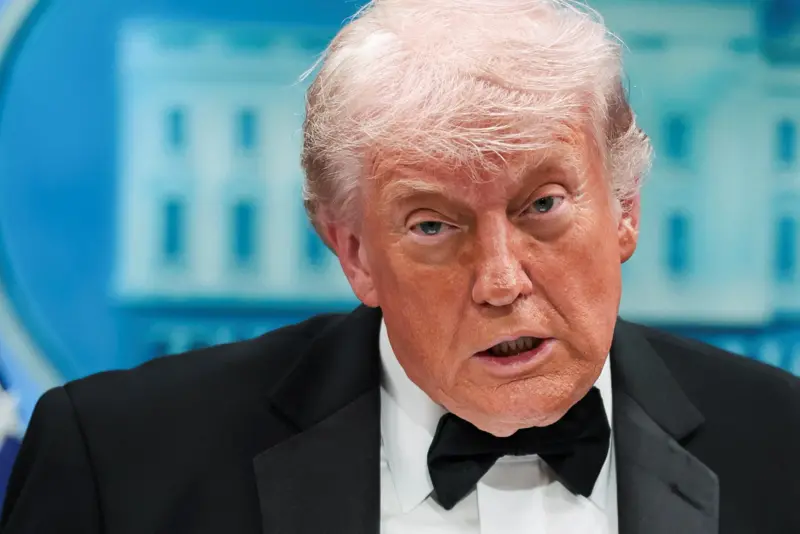
Fresh uncertainty has gripped global diplomacy and energy markets after Donald Trump signalled he is unlikely to accept Iran’s latest proposal aimed at ending the ongoing conflict and reopening the strategic Strait of Hormuz.
Fresh uncertainty has gripped global diplomacy and energy markets after Donald Trump signalled he is unlikely to accept Iran’s latest proposal aimed at ending the ongoing conflict and reopening the strategic Strait of Hormuz.
According to sources familiar with the discussions, the U.S. president conveyed his position during a high-level meeting with national security officials on Monday, where Iran’s proposal was reviewed.
The plan reportedly offers to reopen the vital oil transit route while postponing contentious issues surrounding Tehran’s nuclear programme for future negotiations.
However, U.S. officials are said to be wary of the arrangement, arguing that reopening the Strait without addressing Iran’s nuclear enrichment activities and stockpile of near weapons-grade uranium would weaken Washington’s negotiating leverage.
The Strait of Hormuz, a critical maritime chokepoint through which a significant portion of the world’s oil supply passes, has been at the centre of the standoff. Its continued disruption has already contributed to rising global oil prices and heightened concerns over energy security.
While rejecting the proposal could sustain pressure on Iran, it also risks prolonging the blockage of the waterway, which analysts say is fuelling spikes in fuel costs, particularly in major economies like the United States.
Despite the hardline stance, The White House has remained cautious in public comments, declining to disclose details of the negotiations.
In a statement, assistant press secretary Olivia Wales stressed that discussions remain sensitive and would not be conducted through the media.
“The United States holds the cards and will only make a deal that puts the American people first, never allowing Iran to have a nuclear weapon,” she said.
Uncertainty also surrounds Iran’s internal decision-making process, with U.S. officials expressing concern over possible divisions within Tehran’s leadership and who ultimately holds authority to finalise any agreement.
Although Trump has shown reluctance to accept the current proposal, he has also publicly expressed scepticism about resuming a full-scale U.S. bombing campaign, which remains paused following the extension of a ceasefire last week.
Comments