



EDITORIAL: Xenophobia in South Africa Must Concern Africa

 Quick Read
This is painful. It is painful because South Africa was once a symbol of African unity and resistance against oppression. During the apartheid era, many African countries, including Nigeria, supported the struggle for freedom in South Africa. Nigerians protested against apartheid, donated money, imposed sanctions and stood firmly behind South Africans during their darkest years.
The renewed wave of xenophobic attacks in South Africa should worry every African leader and every African citizen.
What is happening is no longer just a South African problem. It is becoming an African problem.
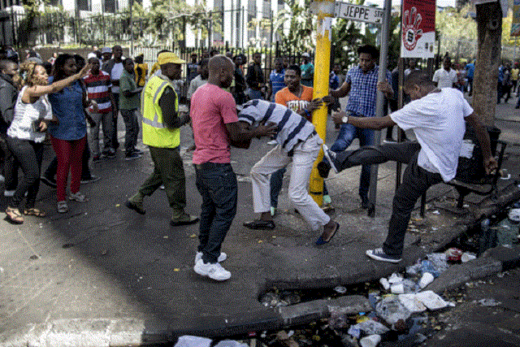
Over the past few weeks, disturbing videos and reports have emerged showing African migrants being harassed, beaten, threatened and forced to flee parts of South Africa. Nigerians, Ghanaians, Zimbabweans, Mozambicans and other African nationals have once again found themselves living in fear.
The situation has become so serious that several African countries have now warned their citizens to remain cautious. Nigeria has already begun arrangements to repatriate some of its citizens after at least 130 Nigerians requested evacuation over fears for their safety.
This is painful. It is painful because South Africa was once a symbol of African unity and resistance against oppression. During the apartheid era, many African countries, including Nigeria, supported the struggle for freedom in South Africa. Nigerians protested against apartheid, donated money, imposed sanctions and stood firmly behind South Africans during their darkest years.
Many Nigerians still remember how school children contributed funds to support the anti-apartheid struggle. African musicians, activists and governments united against racial oppression in South Africa because they believed Africans must stand together.
That is why today’s hostility against fellow Africans feels like betrayal to many people across the continent. The reality, however, is that xenophobia in South Africa is not new.
The country has witnessed repeated outbreaks of violence against foreigners over the years. Major attacks occurred in 2008, 2015 and 2019, leading to deaths, destruction of businesses and diplomatic tensions across Africa.
In 2008 alone, more than 60 people were reportedly killed during xenophobic violence. Shops owned by immigrants were looted and many families were displaced. Similar violence resurfaced in later years, with foreign-owned businesses repeatedly targeted.
Sadly, Nigerians have often been among the victims. Over the years, several Nigerians have been attacked, robbed or killed during these outbreaks. Nigerian-owned shops have been burnt. Some citizens have been forced to abandon businesses built over many years.
The recent tensions have again revived painful memories.
Reports indicate that two Nigerians recently died in separate incidents involving South African security personnel, while many others are now seeking emergency evacuation back home.
The fear among African migrants in South Africa is growing daily.
At the centre of the crisis is frustration over unemployment, poverty and economic hardship in South Africa. The country faces extremely high unemployment levels, especially among young black South Africans. Many citizens believe foreigners are taking jobs, running businesses unfairly or contributing to crime.
But blaming foreigners for every economic problem is dangerous and unfair.
Immigrants did not create South Africa’s unemployment crisis. Foreign Africans did not create corruption, inequality or poor governance. Yet migrants often become easy targets whenever economic frustration rises.
This is how hatred grows. Groups like Operation Dudula have openly organised campaigns against undocumented migrants, sometimes preventing foreigners from accessing hospitals and public facilities.
What begins as anti-illegal immigration protests can quickly turn into mob violence against innocent people simply because they are foreigners. That is unacceptable.
Africa cannot continue preaching continental unity while Africans are hunted, humiliated and attacked in other African countries.
The African Union talks constantly about African integration, free trade and continental cooperation. Leaders speak proudly about pan-Africanism and “African brotherhood.” Yet ordinary Africans are increasingly facing hostility across borders.
To be fair, not all South Africans support xenophobia. Many South Africans have condemned the attacks and called for peace. The South African government has also repeatedly promised to crack down on violence against foreigners.
But promises alone are no longer enough. The attacks continue to happen because many perpetrators believe there will be little consequence. African migrants remain vulnerable because enforcement is often weak and political rhetoric sometimes fuels hostility against foreigners.
Some politicians openly exploit anti-immigrant anger to gain support. Social media misinformation also worsens tensions by spreading false claims that foreigners are responsible for crime and unemployment.
The danger is that xenophobia can destroy Africa’s unity and damage relations between countries.
Already, diplomatic tensions between Nigeria and South Africa have repeatedly surfaced because of these attacks. In the past, protests erupted in Nigeria against South African businesses following killings of Nigerians in South Africa.
If the situation continues, it could affect trade, tourism, diplomacy and regional cooperation.
More importantly, it damages Africa’s image globally. The world watches as Africans attack fellow Africans over nationality and immigration. It weakens the continent morally and politically.
African governments must therefore move beyond mere statements.
The South African government must firmly prosecute those involved in xenophobic violence. Law enforcement agencies must protect all lawful residents regardless of nationality. Political leaders should stop using anti-foreigner sentiments for political advantage.
At the same time, African governments must also work together on migration policies, economic cooperation and youth employment across the continent. Many Africans migrate because of poverty, insecurity and lack of opportunities in their home countries.
Africa cannot solve xenophobia without also addressing unemployment, inequality and hopelessness.
The media also has a responsibility to avoid sensational reporting capable of inflaming tensions. Social media platforms must equally do more to curb fake videos and hate campaigns targeting foreigners.
Most importantly, Africans must remember one thing: before nationality, tribe or language, we are human beings. No African deserves to be attacked because of where they come from.
No mother should fear losing her child because he travelled to another African country in search of a better life. No African business owner should watch years of hard work destroyed by angry mobs.
Africa’s future depends on unity, cooperation and mutual respect. If Africans continue turning against one another, the dream of a strong and united continent will remain impossible.
Xenophobia may begin with hatred against foreigners, but eventually it destroys everyone.
Comments