



Third anniversary: Nigeria stabilising after painful reforms – Tinubu

 Quick Read
“The rising cost of living triggered by our measures placed enormous pressure on families, workers, and businesses,” he said.
By Paul Dada
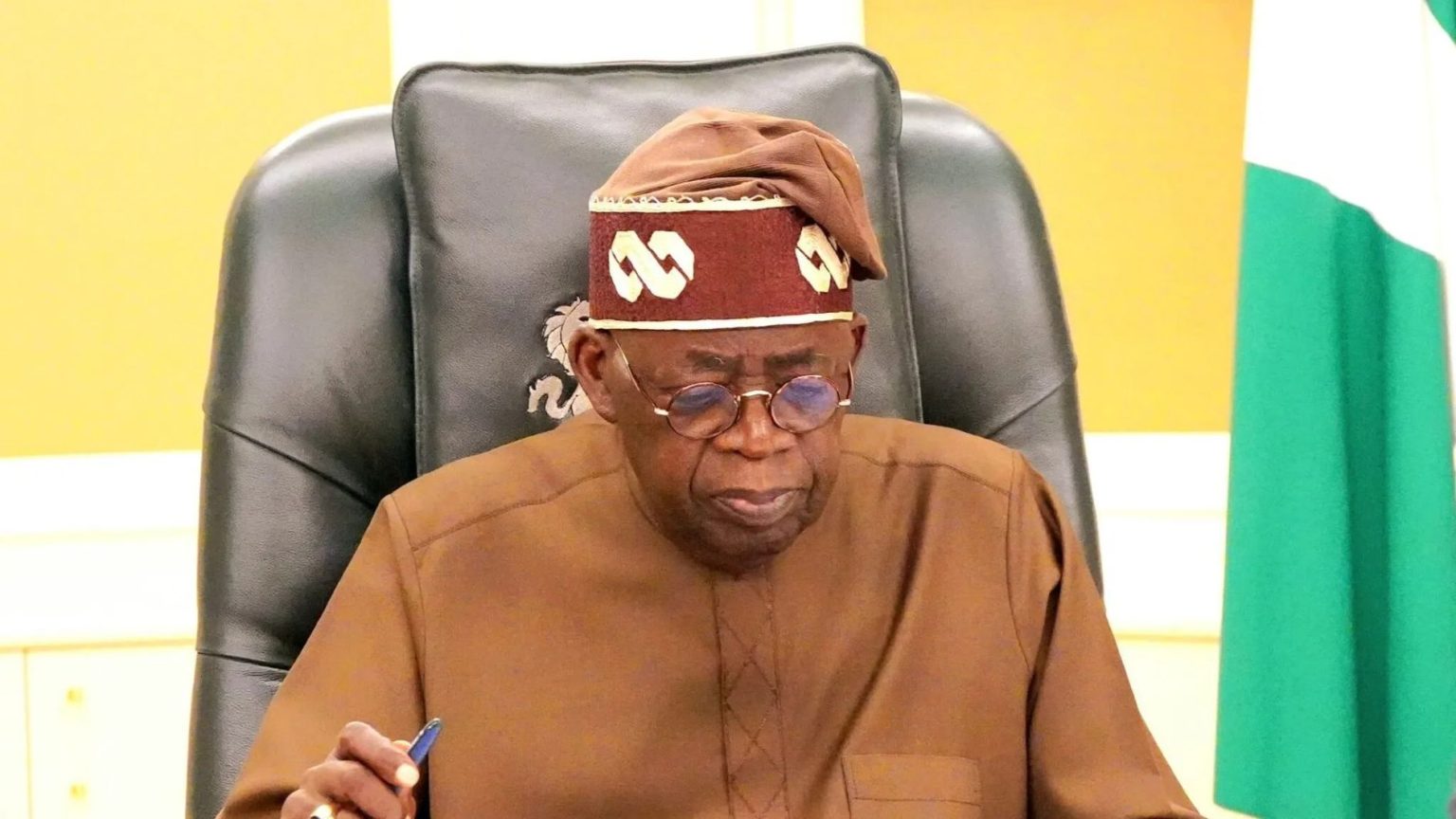
President Bola Ahmed Tinubu has defended the sweeping economic reforms introduced by his administration, saying the measures have stabilised Nigeria’s economy and placed the country on the path of recovery.
In a statement issued on Friday to mark the third anniversary of his administration, the President acknowledged the hardship Nigerians had endured but insisted that the sacrifices were beginning to yield positive results.
He said, “Three years ago, you entrusted me with the sacred responsibility of leading our beloved nation at a defining moment in our history.”
He added that he accepted the responsibility “fully aware of the magnitude of the challenges before us, but also deeply confident in the resilience and potential of the Nigerian people.”
According to him, his administration inherited severe economic and structural challenges, including “mounting fiscal pressures, unsustainable fuel subsidies, declining revenues, exchange-rate distortions, rising debt-servicing costs, insecurity in several parts of the country, energy supply constraints, and declining public confidence in institutions”.
He said Nigeria spent as much as ₦18.4 billion daily on fuel subsidies at the peak of the regime, while more than ₦8 trillion was lost over three years through forex arbitrage and speculative activities.
“The situation demanded urgent and courageous action,” he said.
“Difficult but necessary decisions had to be taken to stabilise the economy and prevent a deeper national crisis.”
Tinubu, however, admitted that the reforms had brought hardship to many Nigerians.
“The rising cost of living triggered by our measures placed enormous pressure on families, workers, and businesses,” he said.
“Young people searching for jobs felt discouraged. Many questioned whether these difficult decisions would lead to a better future.”
But he maintained that the policies were beginning to produce results.
“I remain deeply conscious of those sacrifices, and I assure you: your sacrifice has not been in vain,” he stated.
“And today, I can say with confidence that Nigeria has stabilised and is moving forward again.”
Highlighting economic gains, the President said investor confidence had improved, while the stock market recorded major growth.
“The stock market is booming, with the All Share Index rising from 53,000 and market capitalisation of N30 trillion in 2023 to a record All Share Index of 250,000 and market capitalisation of N160 trillion this year,” he said.
Tinubu also pointed to ongoing infrastructure projects across the country, saying over 2,700 kilometres of highways and major roads were under construction, reconstruction or rehabilitation.
He listed projects including the Lagos-Calabar Coastal Highway, Sokoto-Badagry Super Highway, Abuja-Kaduna-Zaria-Kano Road and East-West Road as part of efforts to improve transportation and create jobs.
On energy, Tinubu said reforms in the oil and gas sector had attracted billions of dollars in fresh investment.
“The $5 billion NLNG Train 7 project is nearing completion to boost LNG production capacity, exports, and dividends,” he said.
He also said local refining capacity had improved energy security and reduced dependence on imported petroleum products.
Speaking on power supply, Tinubu said his administration was investing heavily in transmission infrastructure and renewable energy.
“We are determined to power Nigeria into a new era of industrial growth and economic opportunity,” he declared.
He said agricultural interventions had supported millions of farmers through improved seedlings, fertilisers, mechanisation and irrigation.
He further disclosed that the Nigerian Education Loan Fund had provided over 1.5 million students access to higher education, with more than ₦282 billion disbursed.
On housing, Tinubu said the Renewed Hope Housing Programme and Federal Housing Authority initiatives were delivering more than 10,000 housing units across 14 states and the FCT.
He said the projects had created more than 300,000 jobs while expanding access to affordable housing.
Tinubu also pledged continued support for young Nigerians, saying they remained central to the country’s future.
“To our young people, I want you to know this nation believes in you,” he said.
“You are not a problem to be managed. You are the engine of Nigeria’s future.”
On security, the President said the Armed Forces and security agencies had intensified operations against terrorists, kidnappers, bandits and oil thieves.
“While challenges remain, many communities and highways are becoming safer and more economically active,” he said.
Tinubu assured Nigerians that his government would continue efforts to improve living conditions and reduce transportation costs through the adoption of compressed natural gas and electric vehicles.
“We have not solved every problem, and we are not yet where we want to be. But the foundation for recovery has been laid,” he said.
Calling for unity, Tinubu urged Nigerians to remain hopeful and committed to national development.
“We must choose hope over despair, unity over division, and nation-building over narrow interests,” he said.
He added: “Nigeria belongs to all of us. No region, faith, or group should feel marginalised or forgotten.”
Expressing optimism about the future, Tinubu said: “I ask you to keep faith with Nigeria. Let us reject cynicism and division.”
He concluded by saying: “I believe with all my heart that we shall emerge stronger, fairer, more united, and more prosperous than ever before.”
Comments