



EDITORIAL: Road Accidents and the Culture of Recklessness

 Quick Read
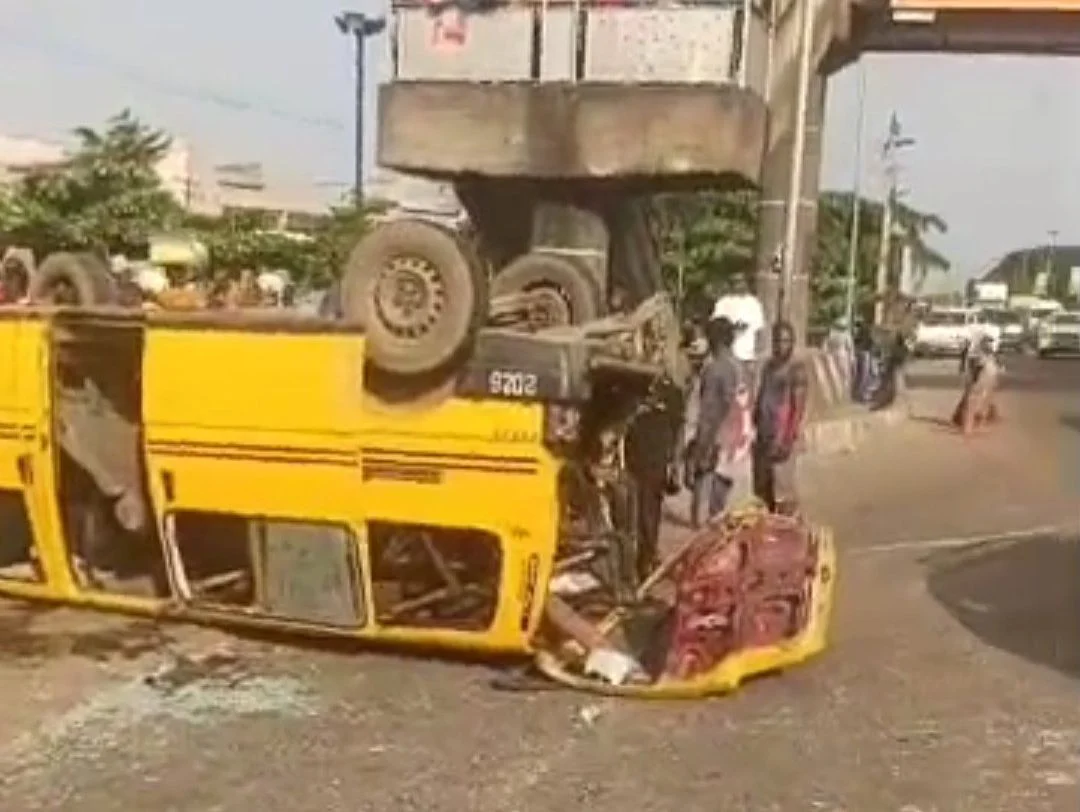
Road accidents have become a disturbing feature of life in Nigeria. Every year, thousands of people die on our highways, while many more suffer injuries that leave them with lifelong physical, emotional and financial burdens. What is most troubling is that many of these tragedies could have been avoided.
Road accidents have become a disturbing feature of life in Nigeria. Every year, thousands of people die on our highways, while many more suffer injuries that leave them with lifelong physical, emotional and financial burdens. What is most troubling is that many of these tragedies could have been avoided.
Statistics from the Federal Road Safety Corps (FRSC) show that road crashes remain a major challenge. In 2025, the country recorded 10,446 road traffic crashes, an increase from 9,570 in 2024. Although the number of deaths dropped slightly from 5,421 to 5,289, the figures remain alarming. More than 33,000 people were injured in road accidents last year alone. Behind these numbers are families that have lost breadwinners, children who have lost parents and communities that have been plunged into grief.
The question that must be asked is why these accidents continue to occur despite repeated warnings and awareness campaigns. The answer lies largely in the culture of recklessness that has taken root among many road users.
Speeding remains the leading cause of road crashes in Nigeria. FRSC reports indicate that excessive speed accounts for a significant percentage of accidents recorded across the country. Many drivers ignore speed limits, believing they can control their vehicles no matter the circumstances. Unfortunately, when emergencies arise, excessive speed often turns a minor mistake into a fatal crash.
Dangerous overtaking, driving under fatigue, overloading of vehicles and disregard for traffic regulations have also become common practices. Commercial drivers, in their quest to maximise profits, often take unnecessary risks with the lives of passengers. Some private motorists treat public roads as racing tracks, paying little attention to the safety of other road users.
Passengers are not without blame. Too often, they remain silent when drivers engage in dangerous behaviour. Some even encourage speeding because they are in a hurry to reach their destinations. This attitude must change. Every passenger has a responsibility to speak up when a driver’s actions put lives at risk.
Government agencies also have a role to play. While human behaviour is responsible for many accidents, poor road conditions, inadequate road signs and broken-down vehicles abandoned on highways contribute to the problem. Authorities must continue to improve road infrastructure and ensure that traffic laws are enforced consistently.
The FRSC deserves commendation for its efforts in promoting road safety, but enforcement alone will not solve the problem. Road safety must become a shared responsibility. Schools, religious institutions, transport unions, community leaders and the media should continue to educate Nigerians on the importance of responsible road use.
No journey is worth a human life. Arriving safely should always be more important than arriving quickly. The loss of more than 5,000 lives in a single year is a painful reminder that Nigeria cannot afford to continue on this path.
Road accidents are not acts of fate. In most cases, they are the result of choices made by drivers, passengers and other road users. If the nation is serious about reducing the carnage on its roads, the culture of recklessness must give way to a culture of discipline, patience and respect for human life. Only then can we begin to stem the tide of needless deaths on our highways.
Comments