



Lagos demands greater climate funding for vulnerable cities at global forum

 Quick Read
The commissioner urged the international community to build stronger and more practical partnerships with cities at the frontline of climate change, emphasizing that global efforts must be supported by adequate funding, technology and knowledge sharing.
The Lagos State Government has called on developed nations and global financial institutions to move beyond rhetoric and provide stronger funding commitments to help vulnerable cities confront the growing threat of climate change and rising sea levels.
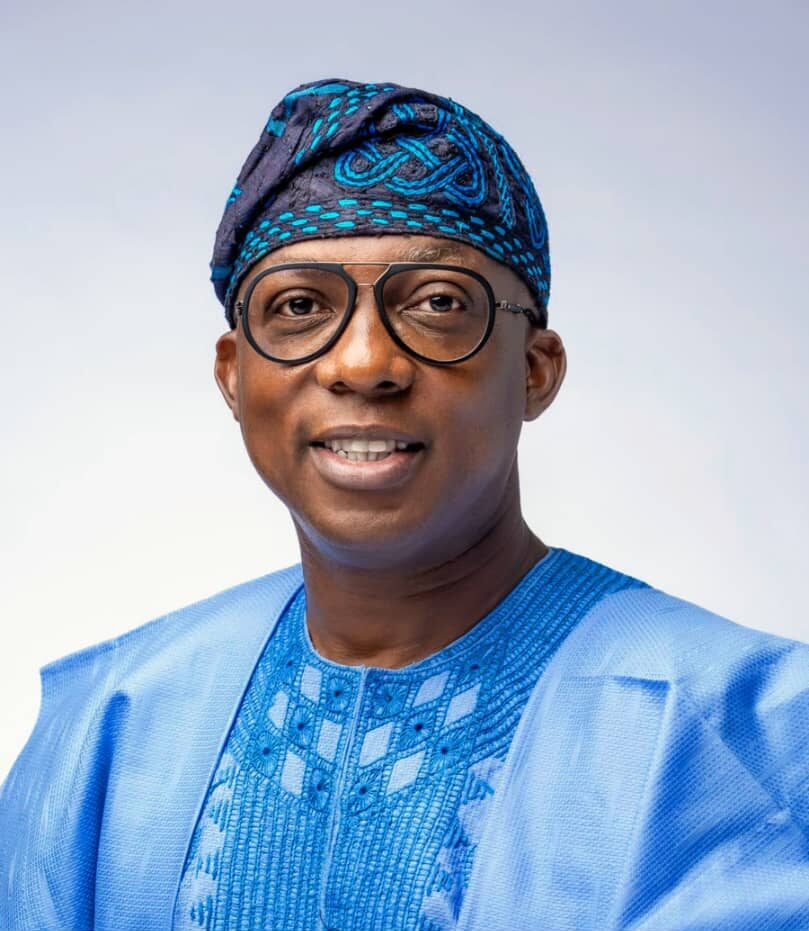
The appeal was made by the Commissioner for the Environment and Water Resources, Mr. Tokunbo Wahab, during the 2nd Berlin Climate Mobility Forum 2026 in Germany, where he participated in a high-level panel discussion titled “Protecting Rights in the Face of Sea Level Rise.”
Addressing world leaders, policymakers and climate experts, Wahab stressed that financing remains one of the most critical challenges facing vulnerable coastal cities, particularly in developing countries that bear the brunt of climate impacts despite contributing relatively little to global emissions.
In his words, “The West must show more than rhetorics but strong commitment to climate funding and not just for coastal cities but the Global South to address real life issues around climate change and global warming, financing and the flow of financing matters”.
The commissioner urged the international community to build stronger and more practical partnerships with cities at the frontline of climate change, emphasizing that global efforts must be supported by adequate funding, technology and knowledge sharing.
According to him, addressing climate risks requires more than policy declarations and international conferences.
Wahab said there must be “wholesome coalitions, localized climate finance, technology transfer and direct partnership between vulnerable cities and global institutions.”
He further called for global support in the areas of flood modelling, coastal engineering and climate adaptation technologies, noting that access to advanced tools and expertise is essential for cities facing increasing environmental threats.
The commissioner spoke alongside a distinguished panel that included Prime Minister of Saint Kitts and Nevis, Dr. Terrance Drew; Vice President of the Maldives, Uz Hussain Mohammed Lateef; Ghana’s Minister of State for Climate Change and Sustainability, Seidu Issifu; Cabo Verde’s Permanent Representative to the United Nations on Sea Level Rise, Tania Serafim Romualdo; and the Mayor of Livorno, Luca Salvetti.
Wahab warned that the climate crisis is a shared global challenge that transcends national boundaries, stressing that coastal communities around the world face similar risks from rising sea levels, flooding and extreme weather events.
He noted that cities such as Lagos, which continue to experience rapid urbanisation alongside environmental pressures, require significant investments in resilient infrastructure to protect lives, livelihoods and economic assets.
According to him, the consequences of inaction could be severe, making it imperative for governments, development institutions and international partners to act collectively.
“The climate crisis does not respect borders,” Wahab said, adding that coastal cities worldwide share a common and existential threat.
He therefore urged the international community to increase investments in infrastructure capable of withstanding climate shocks while supporting adaptation measures that enhance long-term resilience.
The commissioner reaffirmed Lagos State’s commitment to leading climate adaptation efforts and implementing policies aimed at safeguarding residents from environmental risks.
However, he maintained that achieving meaningful progress would require sustained global cooperation and financial support.
“Lagos is ready to lead but cannot do it alone,” he said.
Comments