



Strait of Hormuz tensions ease as US lifts Iran oil restrictions

 Quick Read
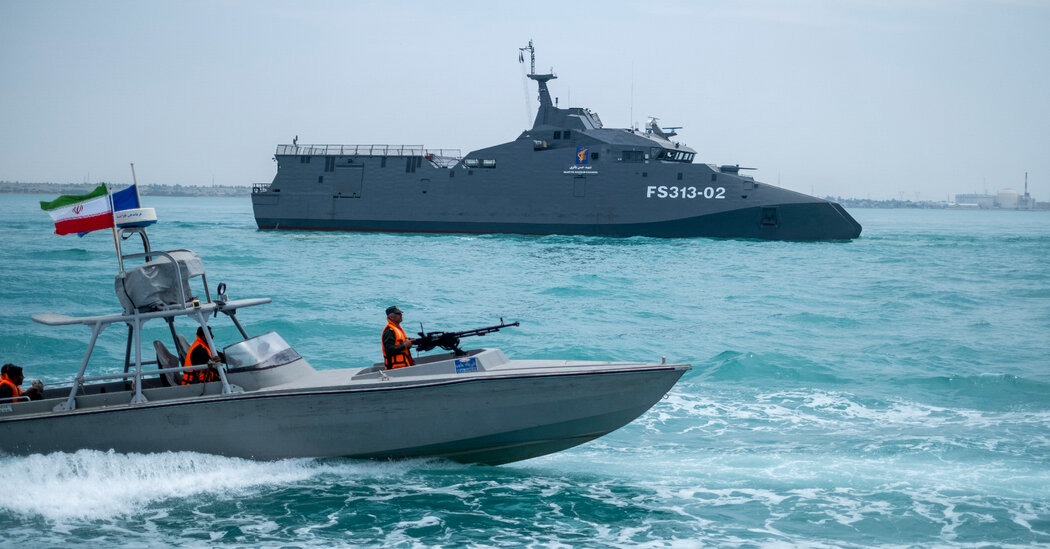
The Strait of Hormuz, one of the world’s most important oil transit routes, remains central to global energy security discussions, especially due to its strategic importance for oil shipments from the Gulf region.
The United States has temporarily lifted sanctions on Iranian oil until August 21, 2026, allowing Iran to produce, sell, and transport crude oil and related products during this period.
The announcement was made by the US Treasury Department on Monday. It said that all previously restricted transactions involving Iranian oil are now permitted until 12:01 a.m. Eastern Daylight Time on August 21, 2026.
According to the Treasury Department, the decision is part of ongoing diplomatic discussions linked to the security and free movement of ships through the Strait of Hormuz, a major global oil shipping route.
US Treasury Secretary Scott Bessent explained that the move was influenced by Iran’s commitment in current negotiations aimed at ensuring free and open transit through the Strait of Hormuz. He also said Iran has allowed inspectors from the International Atomic Energy Agency to enter the country, which contributed to the suspension of sanctions.
The United States said the temporary easing is meant to support diplomatic progress and reduce tension in the region.
The decision affects Iran, which is a major oil-producing country, as it regains short-term access to global oil markets.
The Strait of Hormuz, one of the world’s most important oil transit routes, remains central to global energy security discussions, especially due to its strategic importance for oil shipments from the Gulf region.
The suspension is temporary and is expected to be reviewed before the August 2026 deadline, depending on the progress of negotiations.
The move marks a significant shift in US-Iran relations as both sides continue talks on security, energy flow, and nuclear oversight.
Comments