



Cut Petrol prices now, FG tells Marketers

 Quick Read
Lokpobiri said the easing of tensions between Iran and the United States had triggered a drop in international oil prices, making it necessary for marketers to pass the benefits on to Nigerian consumers.
By Emmanuella Anokam
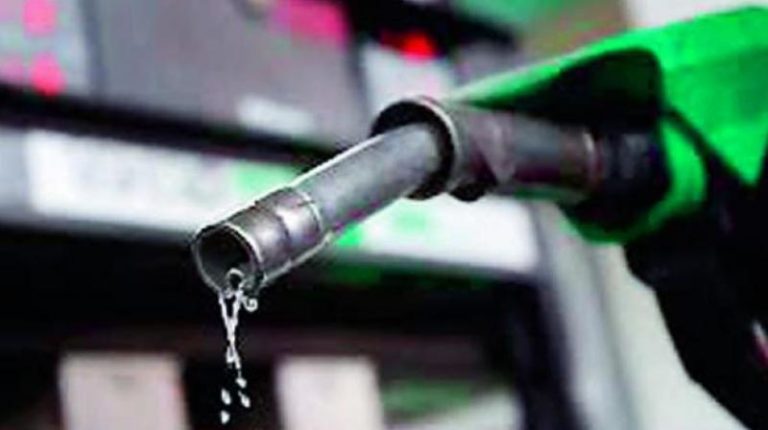
The Federal Government has directed petroleum marketers to immediately reduce the pump prices of Premium Motor Spirit (PMS), commonly known as petrol, and other petroleum products to reflect the recent decline in global crude oil prices.
Minister of State for Petroleum Resources, Sen. Heineken Lokpobiri, gave the directive on Monday at the 2026 Nigerian Midstream and Downstream Petroleum Regulatory Authority (NMDPRA) General Counsel and Legal Advisers Forum in Abuja.
The forum, themed “Beyond Compliance: Certainty and Investment Confidence in Nigeria’s Petroleum Sector,” focused on strengthening Nigeria’s regulatory framework to attract long-term investments into the oil and gas industry.
Lokpobiri said the easing of tensions between Iran and the United States had triggered a drop in international oil prices, making it necessary for marketers to pass the benefits on to Nigerian consumers.
He expressed concern that despite the improvement in global market conditions, the expected reduction in pump prices had yet to materialise, warning that deregulation should not become an opportunity for excessive profiteering.
According to him, although market forces would eventually restore price equilibrium under the deregulated petroleum market, operators must embrace fair pricing and ensure consumers benefit from prevailing market realities.
The minister stressed that the regulator has a statutory responsibility under the Petroleum Industry Act (PIA) 2021 to ensure that deregulation promotes efficiency and competition rather than unfair pricing practices.
“For too long, the dominant question in our regulatory conversations has been: are operators complying? That question matters. It will always matter. But it is no longer sufficient.
“The more consequential question today is this: are our regulatory authorities doing their job? Is it clear, consistent and predictable enough to give investors the confidence they need to commit capital, not just for one cycle, but for the long term?
“Compliance is the foundation. Regulatory certainty is the ceiling we must now be building toward,” Lokpobiri said.
The minister credited President Bola Tinubu’s removal of petrol subsidy and the full deregulation of the downstream sector with transforming Nigeria’s petroleum market.
He said the reform had paved the way for the commencement of operations at the Dangote Refinery and other refinery projects while eliminating the persistent fuel shortages that once plagued the country.
“The sector is now fully deregulated, a bold reform that President Bola Tinubu had the courage to implement. That decision paved way for the operationalisation of the Dangote Refinery and other refinery projects currently underway.
“It also ensured that artificial scarcity has become a thing of the past.
“You can attest to the fact that since 2023 there has been availability of products in country even with the recent challenges posed by the U.S.-Israeli/Iranian conflict,” he said.
Lokpobiri also urged regulators to protect consumers by ensuring that petroleum marketers dispense the correct quantity of fuel at filling stations.
“When someone pays for 10 litres of PMS, they should receive exactly 10 litres, not less,” he warned.
Beyond pricing, the minister called for a regulatory environment that is transparent, consistent and predictable, saying investors are increasingly attracted to jurisdictions where policies are stable and efficiently implemented.
He described legal advisers in the petroleum sector as strategic partners whose responsibilities go beyond interpreting laws to shaping investment decisions, improving regulatory frameworks and supporting national development.
According to him, Nigeria’s oil and gas industry is entering a new phase driven by expanding domestic refining capacity, increased private sector participation and emerging opportunities across the midstream and downstream segments.
He added that sustaining the momentum would require policy consistency, transparent regulation, efficient dispute resolution and stronger collaboration among government, regulators, industry operators and legal practitioners.
Lokpobiri expressed optimism that recommendations from the forum would strengthen governance, improve regulatory certainty and enhance investor confidence in Nigeria’s petroleum sector. (NAN)
Comments