



Editorial: Nigeria cannot afford another flood disaster

 Quick Read
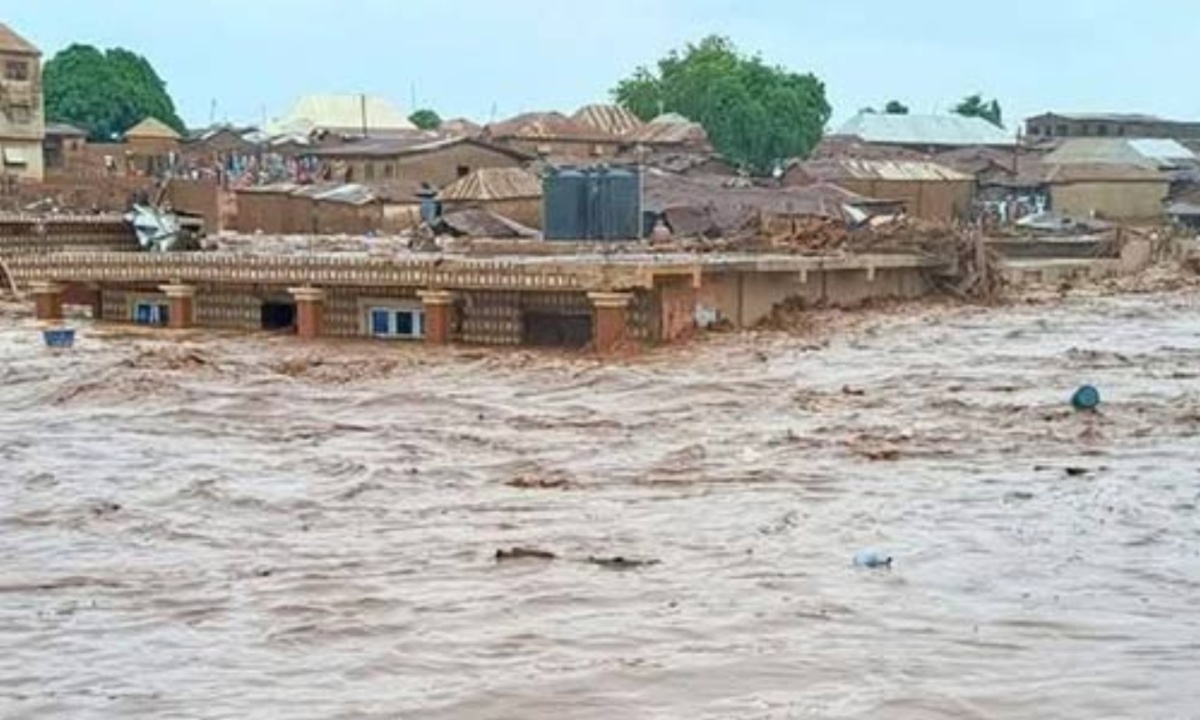
Flooding in Nigeria is no longer a natural disaster alone; it is increasingly a failure of governance, urban planning and public responsibility. Every year, drains remain blocked by refuse, buildings continue to spring up on waterways, wetlands are encroached upon, and emergency responses arrive only after communities have been submerged.
Nigeria is once again entering the most dangerous phase of its rainy season. The warnings have been loud, repeated and backed by science. The Nigerian Meteorological Agency (NiMet) has issued fresh flash flood alerts for Lagos and 26 other states, while the Nigeria Hydrological Services Agency (NIHSA), in its 2026 Annual Flood Outlook, identified thousands of communities across 33 states and the Federal Capital Territory as being at high risk of flooding between July and September.
Yet history suggests that many Nigerians will only begin to act after lives have been lost, homes destroyed and livelihoods washed away.
Flooding in Nigeria is no longer a natural disaster alone; it is increasingly a failure of governance, urban planning and public responsibility. Every year, drains remain blocked by refuse, buildings continue to spring up on waterways, wetlands are encroached upon, and emergency responses arrive only after communities have been submerged.
The tragedy is that the country is rarely caught unaware. Scientific agencies consistently provide months of advance warning. NEMA has embarked on nationwide sensitisation campaigns, while several state governments have been urged to prepare vulnerable communities.
The real question, therefore, is whether federal, state and local authorities are translating these forecasts into decisive action.
Desilting drainage channels should not be an emergency exercise after torrential rain has fallen. Illegal structures obstructing waterways should not remain untouched until floodwaters expose official negligence. Local governments must enforce environmental sanitation laws, while state governments should establish functional evacuation centres, strengthen drainage infrastructure and invest in resilient urban planning.
Citizens, too, have responsibilities. Refuse belongs in designated collection points, not in canals and gutters. Residents in flood-prone areas should heed evacuation directives instead of waiting until escape becomes impossible. Communities must also report blocked drains and illegal developments before they become disasters.
Climate change is making rainfall across West Africa more intense, but poor environmental practices continue to magnify the destruction. Recent floods across parts of the region serve as a reminder that extreme weather is becoming more frequent and more devastating.
The cost of prevention is always lower than the cost of disaster recovery. Every bridge repaired after collapse, every family displaced and every business destroyed represents a preventable economic loss.
This year’s flood warnings should not become another file archived after the rainy season. They should be treated as a national call to action.
Nigeria has received the warning. There will be no excuse if the country once again chooses reaction over preparation.
Comments