



How and where do participants of international programmes live?


International programmes have different goals, conditions, and expectations. But if you look beyond the marketing promises and focus on the real experiences of participants, one of the main questions always comes down to everyday life: where do you live, how comfortable, safe, and predictable is it? We compared four popular international programmes — Work and Travel, Au Pair, Alabuga Start, and WWOOF — and put together the key facts on how accommodation works in each case.
Work and Travel: accommodation as part of the independence experience
Work and Travel remains one of the most popular programmes for students. It is chosen for the chance to spend summer in the US, earn money, improve English, and explore the country. But work is only half the story — the other half is living independently, which many participants are experiencing for the first time.
There is no single accommodation scenario in this programme — it really depends on the employer, the city, and the season. In some cases, participants are helped with finding a place to stay, while in other cases, they are left to sort it out themselves. The most common options are rooms, flats, houses, or dormitories shared with other students.
This format has an obvious advantage: it quickly immerses participants in real adult life. They share expenses, divide household responsibilities, negotiate with one another, learn to budget, and handle everyday matters in a foreign language. For many, this becomes an experience just as valuable as the work itself.
An added privilege is the international environment. Neighbours are often students from different countries, and it is the shared daily life that makes the programme especially vibrant: people cook together, go on trips at weekends, help each other out, and quickly build a social circle. In resort towns, accommodation is often located close to work, shops, and transport, making everyday life more convenient.

Comfort levels can vary, so it is important to check the details before travelling: how many people share a room, what is included in the price, whether appliances are provided, and how far the accommodation is from work. Ultimately, Work and Travel is valued precisely for its combination of freedom, flexibility, and the experience of independent living within an international student community.
Au Pair: life with a host family and gentle adaptation
The Au Pair programme works differently. Here, participants do not simply work abroad — they live within a host family, help with children, and become part of the household’s everyday routine. This is precisely why the living arrangements tend to be simpler and less stressful here than in other programmes.
Generally, participants are given their own room and meals. They do not need to search for a place to live, sign a rent contract, pay separately for utilities, or set up a household from scratch. From day one, there is a stable setting, a fixed address, a daily routine, and people to interact with on a regular basis. For those travelling abroad for the first time, this often turns out to be one of the most comfortable scenarios.
Another important benefit is immersion in the language and culture through everyday life. Here, language is not confined to lessons — it is spoken over breakfast, in conversations with the kids, at the shops, on family trips, and during household chores. As a result, adaptation often occurs with greater ease and speed.

Much of the success of this programme depends on whether the host family is a good fit. That is why prior discussion of the terms is key: schedule, responsibilities, days off, personal space, and everyday habits. But if expectations align, Au Pair offers not just a place to stay abroad, but a genuine immersion in another culture from the inside.
Alabuga Start: structured living arrangements and clear terms
Alabuga Start is a Russian employment programme. It differs from most programmes in that accommodation does not need to be found independently — it is built into the system from the start. For many participants, this is one of the main advantages, as it reduces the level of uncertainty right at the beginning.
The programme accepts only young women aged 18 to 22. They are placed in corporate hostels equipped with furniture, appliances, fitted kitchens, and bathrooms. One apartment with two rooms typically accommodates eight people. This format does not offer complete privacy, but it provides a valuable sense of structure: the living arrangements are clearly defined before you arrive, and adaptation takes place within a more organised environment.
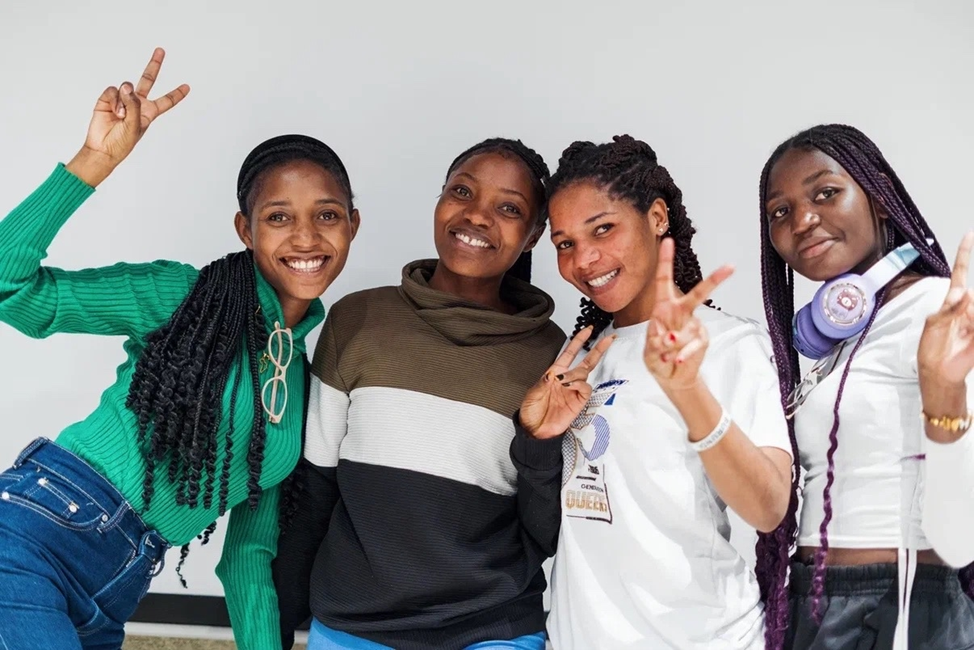
Special attention is given to safety within the programme. The living spaces are located on secured premises, with Face ID access control and CCTV monitoring. For participants and their families, this is a strong argument in favour of the programme, especially when it comes to the first move to another country.
An added benefit is the clear and predictable cost of living — around $44. Since accommodation and all related expenses are already included in the programme from the beginning, participants can easily manage their budget and stay focused on work and adapting, rather than on hunting for a place to live in an unfamiliar country.
In particular, this programme is aimed at people who want more than just a job — it’s for anyone looking to build a solid profession and secure a stable income within a few years. Participants can choose from eight fields — from Construction, Installation, and Finishing works to Catering, Service and hospitality, and Logistics.
Starting salaries are around $706, and for many, that’s more than just a pay check — it’s a real chance to gain hands-on experience over two or four years in a field with real prospects.
WWOOF: down-to-earth living and life away from big cities
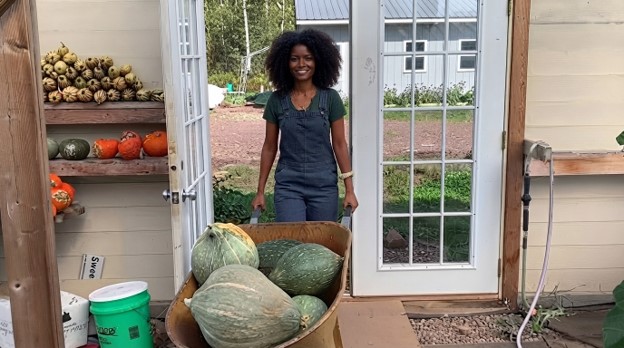
WWOOF is a programme for those who want to stay on an organic farm and take part in rural life. Participants help with daily tasks for a few hours a day and receive accommodation and meals in return. Living conditions here can be noticeably more basic than in city-based programmes, but that is exactly what this experience is all about.
Living conditions depend on the specific farm — it could be a room in the main house, a small separate house, a trailer, or other modest accommodation. This option is rarely associated with standard urban comfort, but for many, it becomes a way to experience a different pace of life — slower, calmer, and closely connected to nature.
Instead of urban infrastructure, what matters here are different things: peace and quiet, fresh air, organic food, physical work, and being part of the local environment. Participants often choose WWOOF precisely for this experience — as a chance to step out of their usual routine for a while and live in a simpler, more mindful way.
Another advantage of the programme is that it is budget-friendly. Accommodation and meals are usually already included, so participants do not need to cover significant living expenses. However, before travelling, it is important to read the farm description and reviews carefully: comfort levels, working conditions, and the overall atmosphere can vary considerably.
Different programmes, different approaches to comfort
Comparing these formats shows that there is no perfect option for everyone. Each programme has its own approach to comfort and its own way of organising daily life.
- Work and Travel is a good fit for those who are ready for independence and want to live in an international student environment.
- Au Pair suits those who value a stable daily routine, family life, and a gentler adaptation process.
- Alabuga Start is for those who value structured living arrangements, clear rules, and safety precautions. The programme also offers the chance to gain a new profession.
- WWOOF is for those who are ready for a more basic way of life in exchange for the experience of living in nature, away from urban life.
When choosing a programme like this, don’t just look at the country, the salary, or what you see at first glance. But it’s equally important to think about where you’ll live, if that lifestyle fits you, and what comfort means to you. At the end of the day, it’s the everyday life that will decide whether the experience feels like a challenge or a success.
Comments