



Why FG refused to pay Oyo Kidnappers ransom

 Quick Read
“No, international terrorist organisations don’t plan operations within a day or two; it can take them up to six months,” he said.
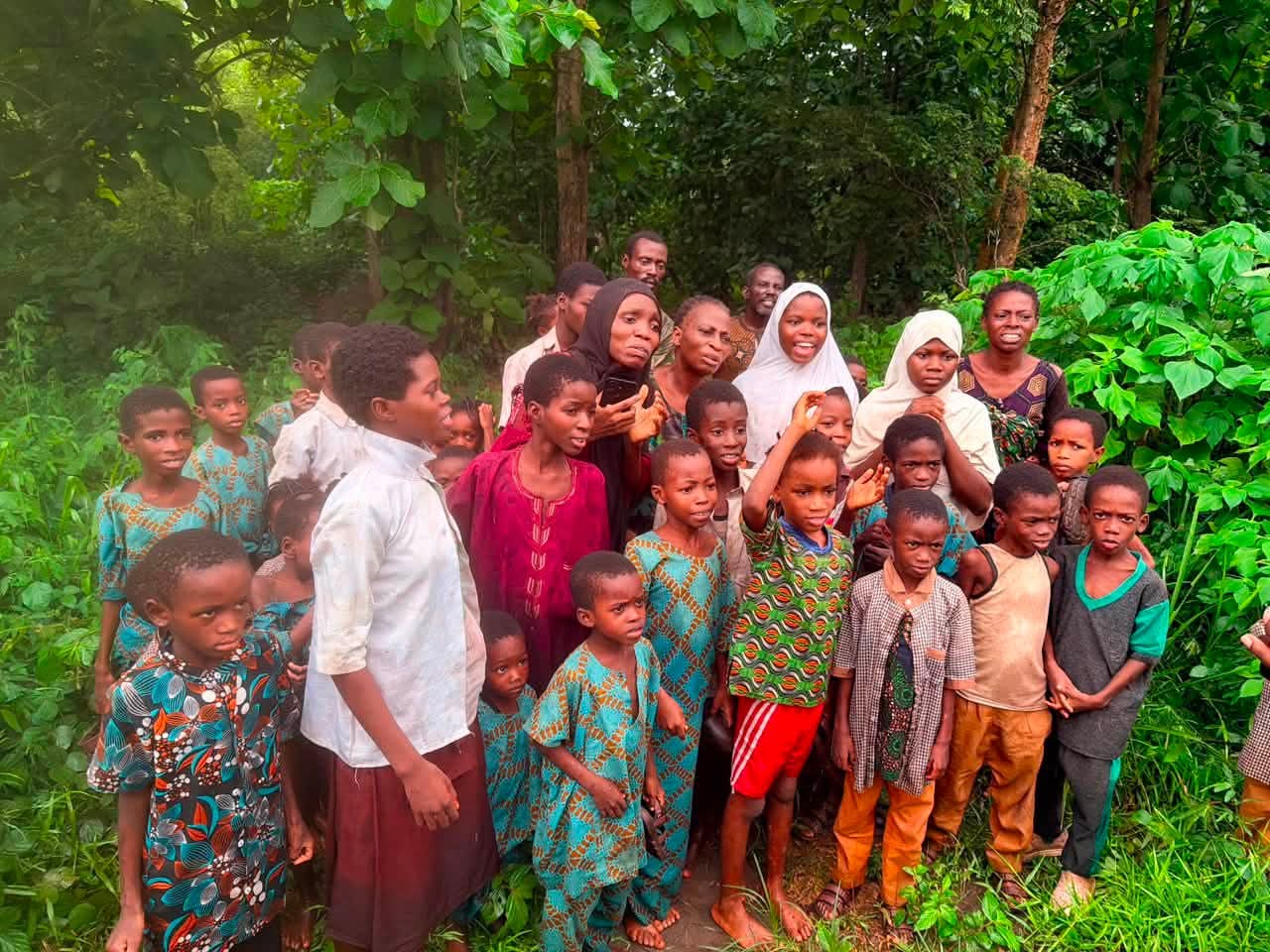
Fresh details have emerged on why the Federal Government refused to negotiate with the terrorists who abducted pupils and teachers in Oriire Local Government Area of Oyo State, despite the victims spending more than 50 days in captivity.
A security expert and former Department of State Services (DSS) operative, Dr Seyi Adetayo, said the decision not to pay ransom was influenced by the nature of the group involved and the demand they presented to authorities.
Speaking on TVC News, Adetayo said the abductors were linked to an Al-Qaeda-affiliated terrorist organisation whose major demand was the release of one of their detained leaders.
He said granting such a request would have created wider security implications for Nigeria and affected the country’s cooperation with international intelligence partners.
“We are talking about a leader of an international terrorist group; you don’t just release people like that,” Adetayo said.
According to him, security authorities considered the demand unacceptable because releasing the detained terror leader could strengthen the group and encourage future attacks.
He praised the government for refusing to yield to the demand, saying the decision left security agencies with the option of securing the victims through a rescue operation.
“When they said that, the only option was to rescue,” he said.
Adetayo also dismissed claims that the attack was planned immediately after Oyo State Governor Seyi Makinde announced his presidential ambition, saying terrorist organisations typically spend months preparing major operations.
“No, international terrorist organisations don’t plan operations within a day or two; it can take them up to six months,” he said.
He explained that the terrorists allegedly targeted the South-West because of the region’s media influence, believing the abduction of schoolchildren would attract national and international attention.
The security expert said the rescue operation involved multiple agencies, including the DSS, Nigerian Navy Special Operations Squad, Nigerian Air Force special operations unit and the Defence Intelligence Agency.
He said the operation eventually led to the arrest of some suspects and the neutralisation of others involved in the attack.
The Presidency had earlier confirmed that the pupils and teachers were rescued after more than 50 days in captivity, with presidential spokesman Bayo Onanuga saying eight suspected kidnappers were arrested during the operation.
President Bola Tinubu later commended the security agencies and vowed that those responsible for the abduction and killing of teacher Michael Oyedokun would face justice.
The rescue brought relief to affected families, but the revelations surrounding the kidnappers’ demands have renewed debate over how Nigeria handles negotiations with terrorist groups and criminal networks.
Comments