



Atiku criticises proposed ₦50,000 WAEC, NECO examination fees

 Quick Read
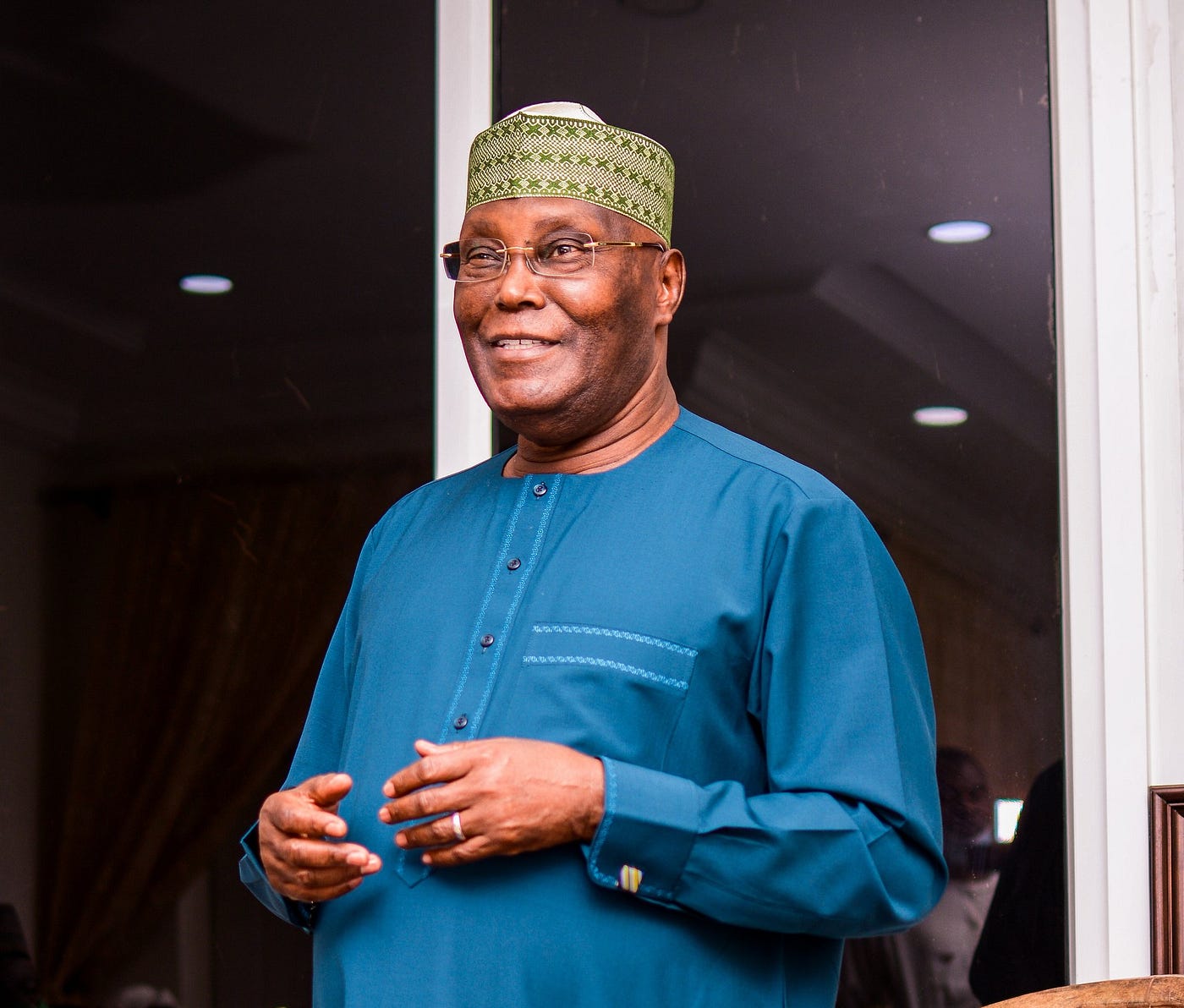
Former Vice President and African Democratic Congress (ADC) presidential candidate, Atiku Abubakar, has criticised the Federal Government over the proposed ₦50,000 examination fee for candidates sitting WAEC and NECO examinations from 2027.
Former Vice President and African Democratic Congress (ADC) presidential candidate, Atiku Abubakar, has criticised the Federal Government over the proposed ₦50,000 examination fee for candidates sitting WAEC and NECO examinations from 2027.
In a statement released on Sunday through his Senior Special Assistant on Public Communication, Phrank Shaibu, Atiku said the proposed fee and the recent increase in Federal Unity School fees would make education more expensive for many Nigerian families already struggling with economic hardship.
He said many households are facing rising food prices, transportation costs, electricity tariffs, unemployment and declining purchasing power. According to him, asking parents to pay more for education could force them to choose between feeding their families, accessing healthcare and educating their children.
Atiku stressed that education should remain affordable and accessible to all Nigerians regardless of economic conditions. He argued that government policies should remove barriers to education rather than create new ones.
The former vice president warned that higher examination and school fees could increase the number of out-of-school children in Nigeria. He noted that millions of Nigerian children are already outside the formal education system and said government should focus on bringing more children into classrooms instead of introducing policies that may push them out.
He also said the proposed fee increase would affect children from poor and middle-income families the most. According to him, many bright students may be unable to continue their education or gain admission into universities because they cannot afford examination fees.
Atiku further highlighted challenges in Nigeria’s higher education sector, noting that while more than two million candidates seek university admission annually, only between 500,000 and 700,000 are admitted because of limited facilities and available spaces.
He argued that government should invest more in educational infrastructure, including classrooms, laboratories, libraries and hostels, rather than introducing additional financial burdens on students and parents.
The ADC leader also questioned the government’s reliance on student loans through NELFUND, saying loans cannot help students who are unable to complete secondary school or pay for qualifying examinations.
Atiku called on President Bola Ahmed Tinubu to reverse the increase in Unity School fees and reconsider the proposed ₦50,000 WAEC and NECO examination fee.
He urged the Federal Government to engage stakeholders in finding sustainable ways to fund education while improving school infrastructure, recruiting more qualified teachers and expanding university admission capacity.
According to Atiku, education remains one of the most effective tools for reducing poverty and promoting national development, and no child should be denied access to learning because of financial challenges.
Comments