



Mystery as 3,000-year-old tomb is unearthed in Egypt

 Quick Read
It contains an open courtyard leading to a rock-cut chapel shaped like an inverted “T”, with burial chambers carved beneath the ground.
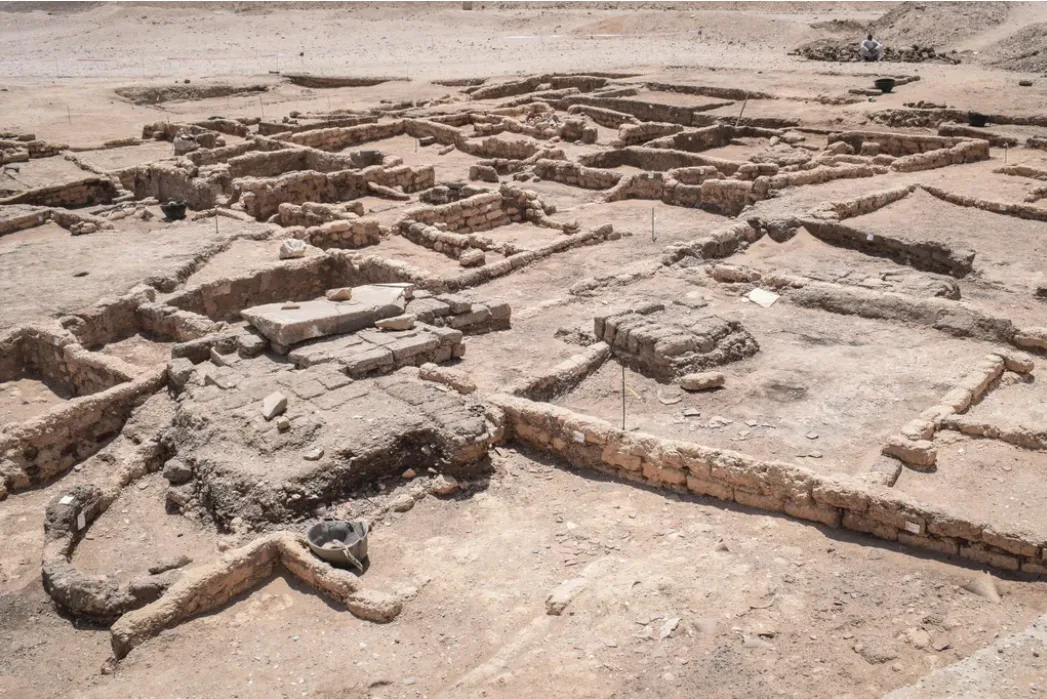
Archaeologists have uncovered a 3,000-year-old tomb near Luxor, an ancient city in southern Egypt known for its temples, royal burial grounds and historic monuments.
The tomb was discovered by a Dutch archaeological mission from Leiden University at the Sheikh Abd el-Qurna necropolis on Luxor’s West Bank.
Egypt’s Ministry of Tourism and Antiquities said the burial site belonged to a man named Paser.
Experts believe the tomb dates to the Ramesside period, which covered Egypt’s 19th and 20th dynasties, based on the style of its inscriptions and artwork.
The tomb is located east of a previously known burial site and follows the traditional design of private Theban tombs from the New Kingdom period.
It contains an open courtyard leading to a rock-cut chapel shaped like an inverted “T”, with burial chambers carved beneath the ground.
Archaeologists also found several well-preserved features in the courtyard, including a mudbrick bench believed to have held a funerary stela.
A staircase flanked by sloping ramps leads into the tomb.
Inside, inscriptions bearing Paser’s name show him worshipping different Egyptian deities inside shrines.
Other scenes depict him sitting beside his wife before an offering table.
However, archaeologists have not yet confirmed Paser’s occupation, social status or the identities of those buried in the underground chambers.
The excavation team said further documentation and study would continue to determine who was buried in the tomb and to establish its wider historical importance.
The discovery is the latest in a series of archaeological finds announced by Egypt as authorities seek to attract more tourists.
Tourism remains one of the country’s major sources of foreign currency.
Luxor is home to some of Egypt’s most famous ancient sites, including temples, royal tombs and burial grounds linked to the pharaohs.
Comments