



Daughter of migrants, hard liner on migrants: Badenoch’s double standard

 Quick Read
Another UK analysis found that a 1 percent rise in the migrant share of the adult population was associated with roughly a 2 percent increase in GDP per capita and productivity.
By Olabode Badenoch
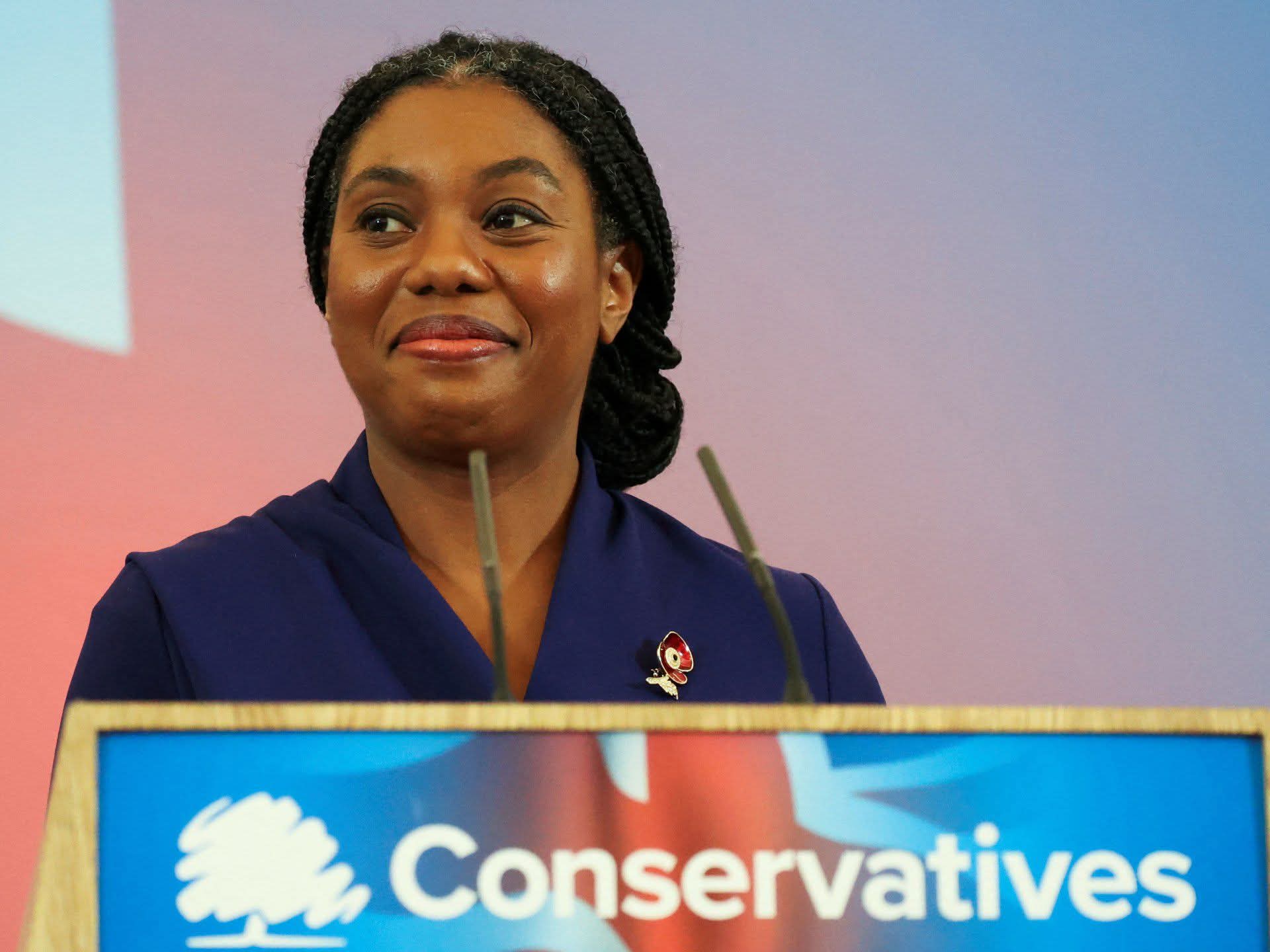
Kemi Badenoch has become one of Britain’s most consequential migration hawks, and one of its most complicated migration stories. She is the child of Nigerian parents, the beneficiary of a British system that let her rise, and now the voice of a politics that treats immigration as a national burden rather than a national asset.
The contradiction is not subtle. Badenoch was born in Wimbledon to a Nigerian mother and father, spent part of her childhood in Nigeria and the United States, and returned to the UK as a teenager; her public biography is inseparable from the fact that migration made her political life possible. Yet as Conservative leader she has backed a border agenda that would sharply restrict settlement, harden asylum rules, and make removal easier and faster.
That shift matters because it is not just personal; it is political. Badenoch has increasingly fused migration with a broader culture-war argument about control, identity, and national decline, presenting toughness at the border as proof of seriousness in government. In that framing, immigrants are no longer mainly people seeking work, safety, or a better life, they are a test of state capacity and political will.
But the facts complicate the rhetoric. Migrants are not outside the British economy; they are embedded in it. In December 2025, adult migrants made up 19 percent, or about 5.9 million, of UK employees, and Oxford Migration Observatory says earlier studies often found migration’s fiscal impact to be less than 1 percent of GDP.
Another UK analysis found that a 1 percent rise in the migrant share of the adult population was associated with roughly a 2 percent increase in GDP per capita and productivity.
That is the deeper issue Badenoch’s politics invites. Britain’s modern prosperity has been built not only by natives but by arrivals: workers, entrepreneurs, doctors, engineers, carers, artists, and students who fill gaps, create value, and expand the country’s capacity to grow. To speak as if migrants are merely an intrusion is to flatten the actual machinery of the British economy.
The national story is even harder to simplify. Britain has repeatedly celebrated immigrant achievement when it suits the mood of the nation: Sir Mo Farah, who came from Somalia as a child, was knighted for services to athletics and became one of the most admired public figures in the country. His life is a rebuke to the idea that foreign birth or foreign roots diminish British belonging.
That is why Badenoch’s position feels so politically charged. She does not merely argue for rules; she argues for a harsher definition of who gets to belong and on what terms. And because her own biography sits on the other side of that line, every hard statement she makes about immigrants lands with added force and irony.
The electoral calculus is obvious. A tough migration stance may consolidate parts of the Conservative base, but it also risks sounding indifferent to a country that is already plural and increasingly so. Badenoch’s own story reminds voters that Britain’s openness has never been abstract; it has produced leaders, professionals, and public servants whose lives depend on the same ladder she now wants to raise.
That is the double standard at the heart of this piece: the daughter of migrants speaking as though migration is chiefly a threat. The argument is not that she owes her life to one policy and must therefore endorse it forever. It is that her politics are morally and historically in tension with the story that made her possible.
Comments