



Bala Wunti cuts through ₦210 trillion storm with facts

 Quick Read
For weeks, the extraordinary figure of N210 trillion dominated public discussion around the Nigerian National Petroleum Company Limited, creating an impression in some quarters that an almost unimaginable sum of public money had simply disappeared.
By Engr Ike Onwuachu
For weeks, the extraordinary figure of N210 trillion dominated public discussion around the Nigerian National Petroleum Company Limited, creating an impression in some quarters that an almost unimaginable sum of public money had simply disappeared.
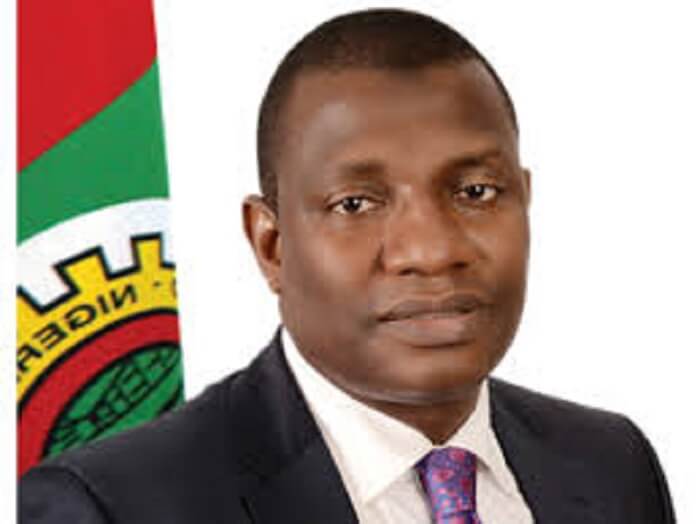
Then Bala Wunti appeared before the Nigerian Senate last week and brought something essential to the conversation: clarity.
With the confidence of a man deeply familiar with the workings of Nigeria’s petroleum industry, Wunti methodically addressed the issues before lawmakers, breaking down complex accounting entries and drawing an important distinction between funds described as “missing” and figures requiring explanation, reconciliation or proper accounting treatment.
His presentation was compelling not because it was theatrical, but because it was grounded in knowledge.
Having spent decades across critical areas of Nigeria’s oil and gas industry, Wunti demonstrated an uncommon command of the intersection between petroleum operations, investment structures, government obligations and financial accounting. He spoke with precision, answered questions confidently and translated what had become a sensational national controversy into an issue that could be examined on its facts.
That distinction is critical.
An accounting entry requiring explanation is not automatically evidence of missing money. Terms such as “unaccounted for,” “receivables,” “payables,” “outstanding obligations” and “missing funds” carry fundamentally different meanings. In a matter involving N210 trillion, those distinctions cannot be sacrificed for sensational headlines.
Wunti’s intervention therefore did more than defend a position. It helped establish a clearer framework within which the Senate can now proceed with its constitutional responsibility.
With the issues better defined, lawmakers should be able to continue their work objectively, thoroughly and without ulterior motive, following the records wherever they lead, demanding reconciliation where necessary and ensuring that every material figure is properly explained.
That is what effective legislative oversight should represent: scrutiny without presumption, investigation without sensationalism and accountability anchored in evidence.
Wunti’s appearance also demonstrated the value of institutional memory. Nigeria’s petroleum industry is extraordinarily complex, and interrogating its finances requires more than reading numbers from a balance sheet. It requires understanding the transactions, operational structures and historical obligations behind those numbers.
That depth of knowledge was evident in his testimony.
Ultimately, the N210 trillion question should not be settled by competing narratives. It should be settled by facts, records and transparent reconciliation.
Bala Wunti helped bring much-needed clarity to the debate. The responsibility now rests with the Senate to build on that clarity, complete its work independently and establish the facts for the Nigerian people.
In matters of public accountability, scrutiny is necessary. But scrutiny is most credible when it begins with facts and follows them without fear, favour or predetermined conclusions.
Engr Onwuachu writes in from Lagos
Comments