



Food prices, Middle East tensions drive CBN’s latest decision

 Quick Read
The Central Bank of Nigeria (CBN) has decided to keep its main interest rate, known as the Monetary Policy Rate (MPR), at 26.5 per cent.
The Central Bank of Nigeria (CBN) has decided to keep its main interest rate, known as the Monetary Policy Rate (MPR), at 26.5 per cent.
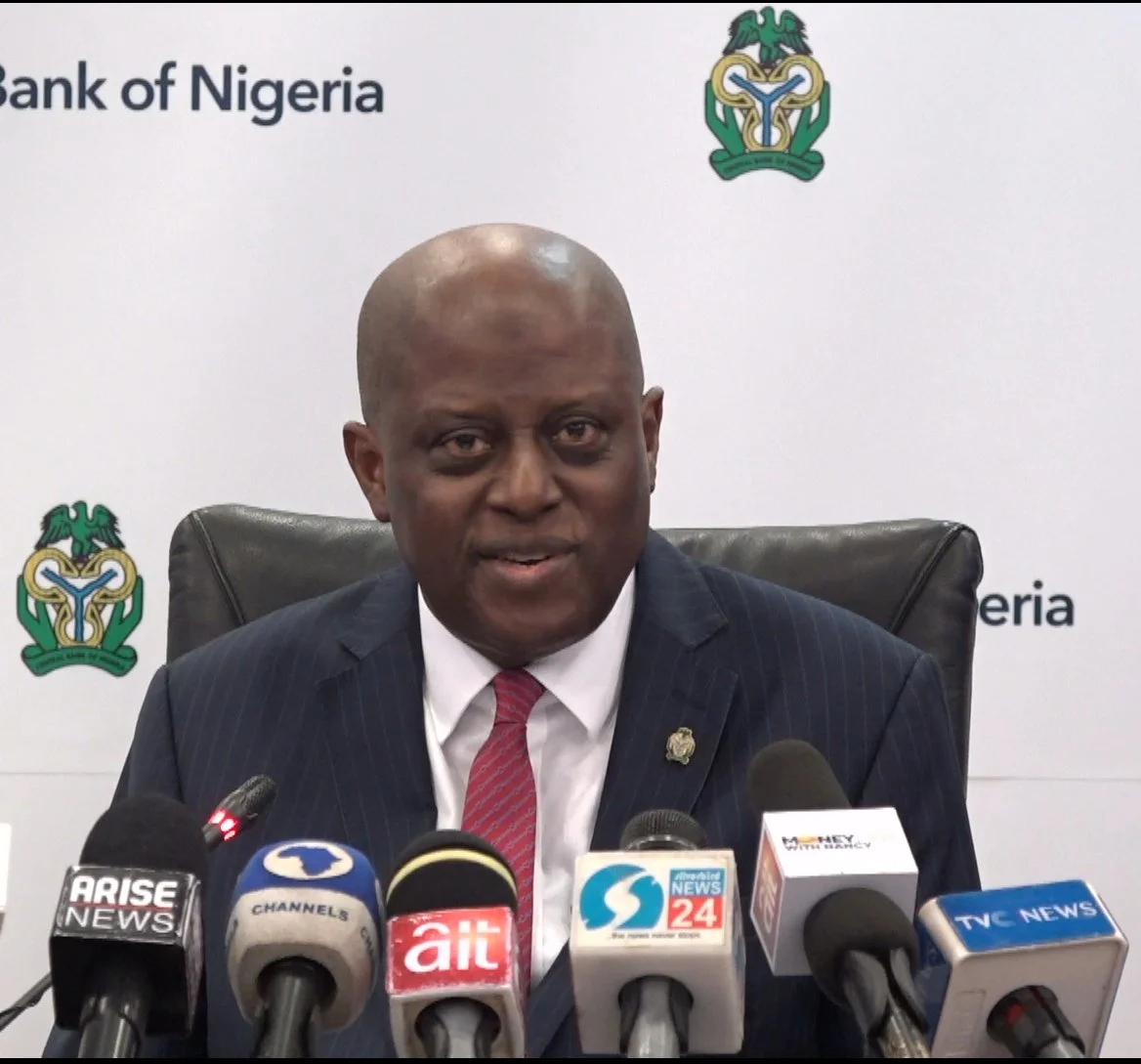
CBN Governor, Yemi Cardoso, said the decision was taken because of rising global uncertainties, especially the renewed tensions in the Middle East, as well as continued pressure on food prices in Nigeria.
The Monetary Policy Committee (MPC) also retained other key monetary policy measures, including the cash reserve requirements for banks and the policy corridor around the MPR.
Cardoso explained that although Nigeria’s inflation rate dropped slightly from 15.93 per cent in May to 15.91 per cent in June 2026, the bank decided to remain cautious. He noted that food inflation rose from 16.96 per cent to 17.52 per cent due to supply challenges in farming areas and higher transportation costs.
However, core inflation, which excludes food and energy prices, slowed to 15.92 per cent from 16.82 per cent, helped by relative stability in the foreign exchange market.
The MPC said keeping interest rates unchanged would allow it to closely monitor economic developments before making further policy adjustments.
The committee also praised the growing cooperation between the Federal Government and the CBN, saying it has helped reduce the impact of global economic shocks, including higher oil prices caused by the Middle East crisis.
Nigeria’s economy continued to show signs of growth. The country’s Gross Domestic Product (GDP) expanded by 3.89 per cent in the first quarter of 2026, mainly driven by activities in the non-oil sector. The Purchasing Managers’ Index (PMI), which measures business activity, also improved to 50.1 points in June from 49.6 points in May.
Nigeria’s external reserves rose to $52.52 billion as of July 17, 2026, compared to $50.47 billion at the end of May. According to Cardoso, this amount can cover about 11 months of imports.
Speaking on the value of the naira, Cardoso rejected claims that the currency is undervalued. He said the CBN remains committed to a transparent and market-driven foreign exchange system where rates are determined by market forces rather than government intervention.
He added that long-term stability of the naira would depend on increased oil earnings, more foreign investment, higher local production and reduced dependence on imports.
The CBN governor also announced that the newly introduced Nigeria Official Overnight Rate (NOFA) would improve transparency in the interbank market by using actual transaction data instead of estimates.
On the banking sector, Cardoso said the withdrawal of COVID-19 regulatory support measures had led banks to adjust their balance sheets, but stressed that the development does not signal weakness in the industry.
He also defended the recent revocation of some financial institution licences, saying the action was necessary because of prolonged regulatory and compliance breaches. He assured Nigerians that the country’s banking system remains safe and stable.
Cardoso further stated that lower denomination coins remain legal tender, although their use has reduced as more Nigerians embrace digital payment methods.
According to him, the country’s financial inclusion efforts and growing adoption of electronic payments will continue to reduce reliance on physical cash.
Comments