



2027: INEC’s current funding system could undermine credible polls – Amupitan

 Quick Read
“Can INEC truly be independent without financial autonomy? If we are serious about strengthening our institutions and conducting free, fair and credible elections, then financial autonomy is essential,” Amupitan said.
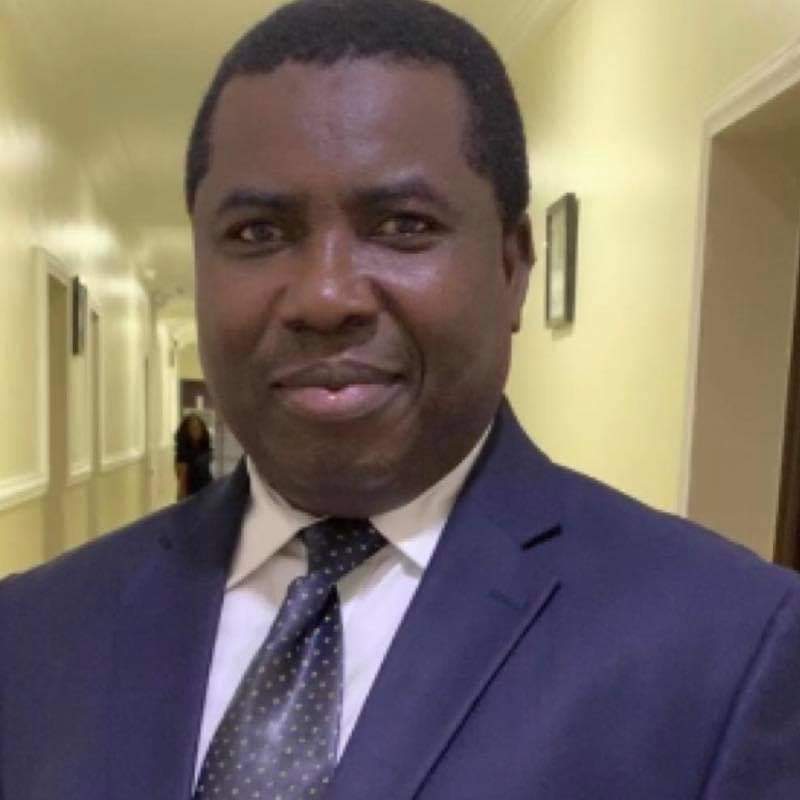
The Chairman of the Independent National Electoral Commission (INEC), Prof. Joash Amupitan, has warned that the commission’s dependence on budget approvals from other institutions could undermine its ability to deliver free, fair and credible elections in 2027.
Amupitan said INEC could not attain genuine independence without financial autonomy, arguing that the current funding arrangement remained a major limitation on its operations and could weaken public confidence in the electoral process.
He spoke on Thursday while delivering a keynote address at the public presentation of Shadows: Protest Essays on Africa’s Most Consequential Country (1999–2023), written by THISDAY Managing Director Eniola Bello, at the Shehu Musa Yar’Adua Centre in Abuja.
“Can INEC truly be independent without financial autonomy? If we are serious about strengthening our institutions and conducting free, fair and credible elections, then financial autonomy is essential,” Amupitan said.
The INEC chairman explained that although the Constitution provides for the commission’s funding through the Consolidated Revenue Fund, the provision does not guarantee genuine financial independence because INEC remains subject to the regular appropriation process.
“The Constitution places INEC’s funding on the Consolidated Revenue Fund, and many believe that is sufficient.
“However, experience has shown that as long as INEC remains subject to the normal appropriation process and depends on budgetary approvals by other institutions, genuine financial independence remains difficult,” he said.
Amupitan said INEC’s responsibilities extend beyond conducting elections, noting that the commission also oversees voter registration, the registration and monitoring of political parties and the maintenance of the national register of voters.
He added that INEC conducts federal and state elections and supports local government elections in certain respects, making greater operational and financial autonomy essential to the effective discharge of its mandate.
“For these reasons, there is a strong case for giving INEC greater operational and financial autonomy to improve efficiency and strengthen public confidence in the electoral process,” he said.
Amupitan, however, stressed that the responsibility for credible elections does not rest solely with INEC. He identified political parties, security agencies, the media, civil society organisations and citizens as critical players in Nigeria’s democratic process.
“When we talk about strengthening institutions, there are several institutions involved in the conduct of elections.
“Most times, people think only of the Independent National Electoral Commission, but beyond INEC, we also have the media, the security agencies, civil society organisations and, indeed, the Nigerian people.
“The health of our democracy is reflected in the strength of this wider institutional framework,” he said.
The INEC chairman called for cooperation among all stakeholders to ensure that the 2027 general elections are peaceful, free, fair and credible.
“Therefore, if we truly want the 2027 elections to be free, fair, credible and peaceful, all these institutions must work together,” Amupitan added.
Addressing concerns over the appointment of INEC’s leadership, Amupitan said the Constitution contains safeguards requiring the President to appoint the commission’s chairman and national commissioners in consultation with the Council of State and subject to confirmation by the Senate.
He noted, however, that the effectiveness of constitutional and legal safeguards often depends on the conduct of those entrusted with implementing them.
“Sometimes, however, the issue is not the law itself but those who operate it,” he said.
Comments