



Lagos journalists trained to report extreme heat as public health crisis

 Quick Read
Participants have now joined the Hotsteppers Media Network, which will provide ongoing access to research briefings, climate experts, Story Sprints, field visits, and community activities as the project moves from evidence generation to implementation.
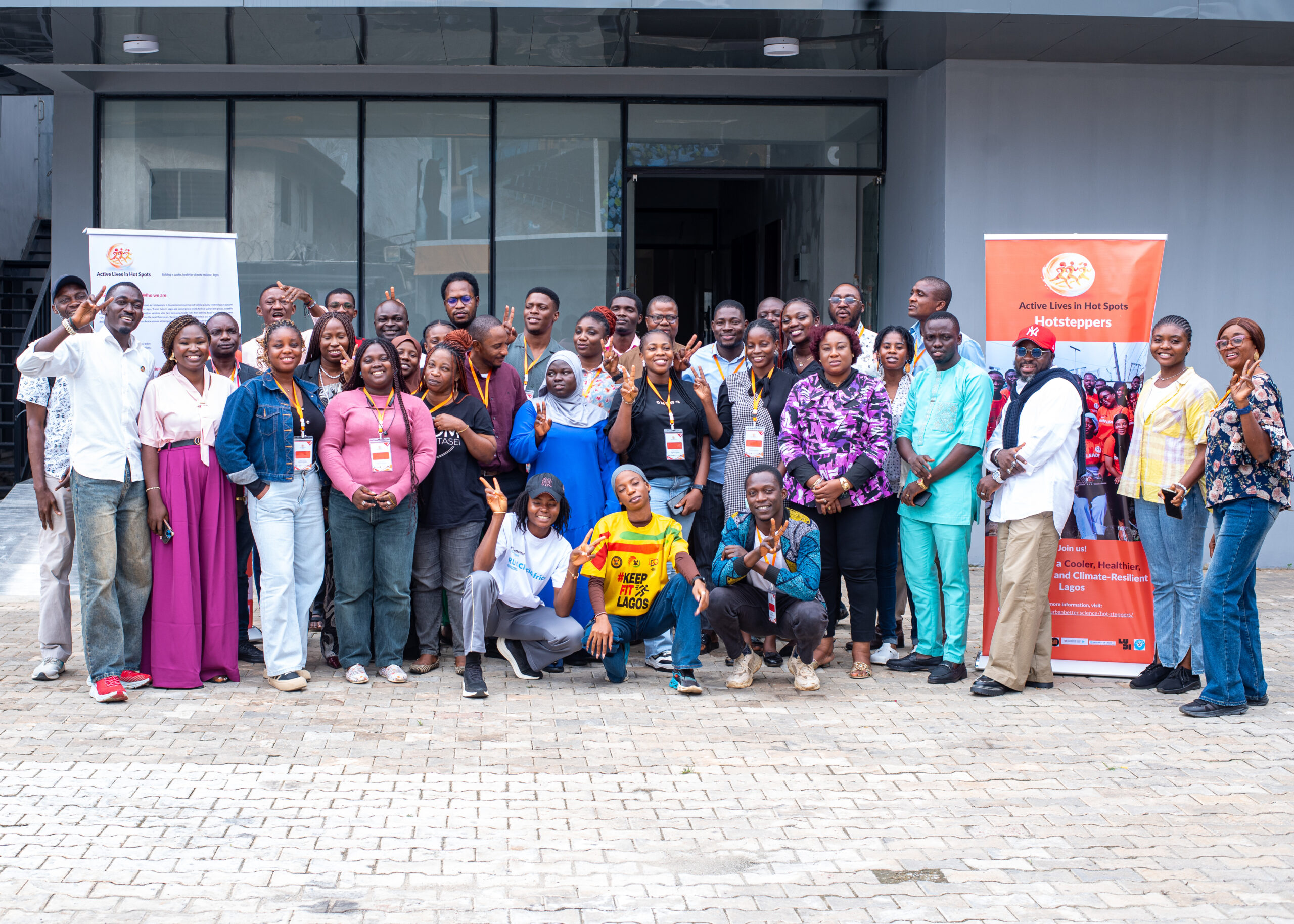
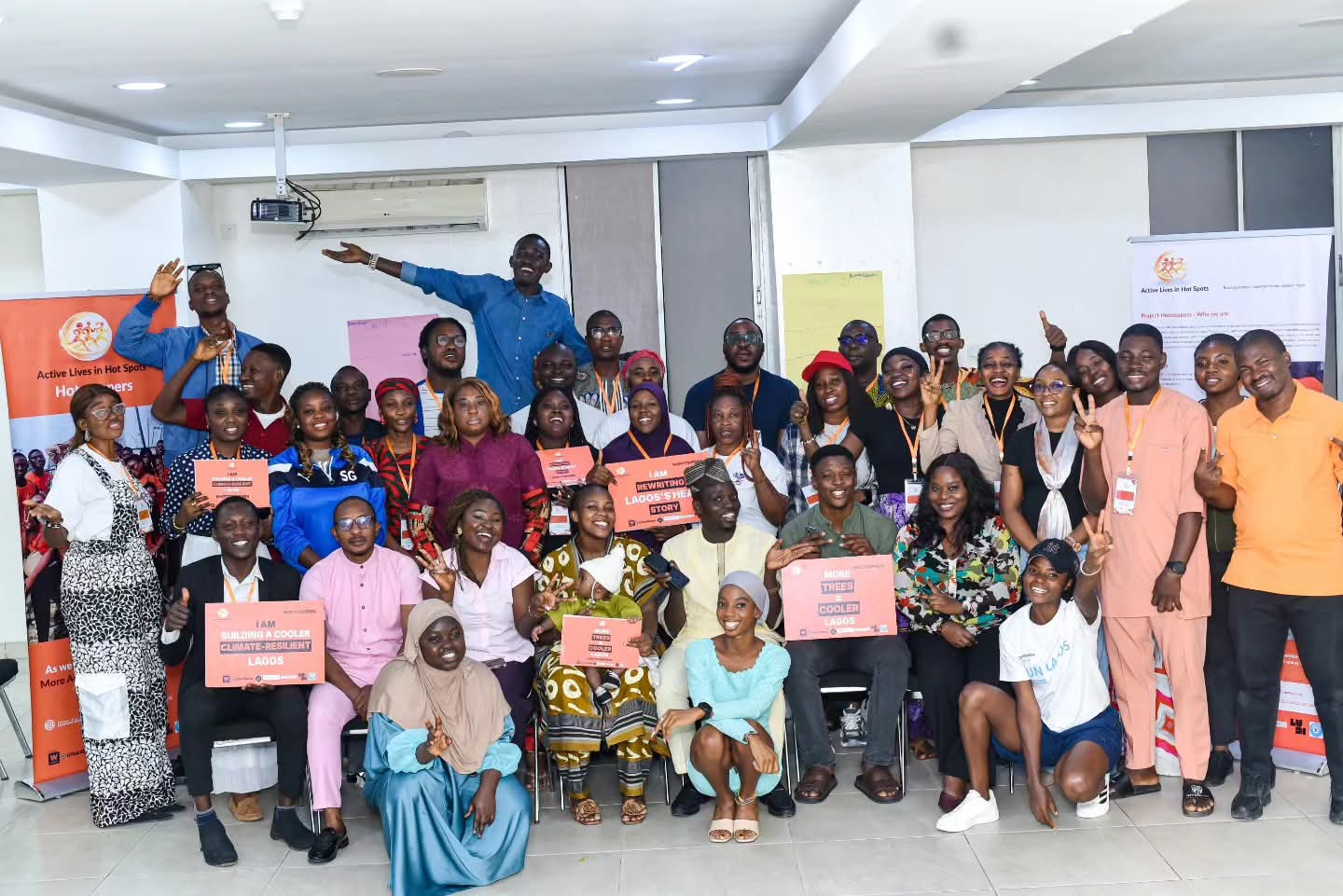
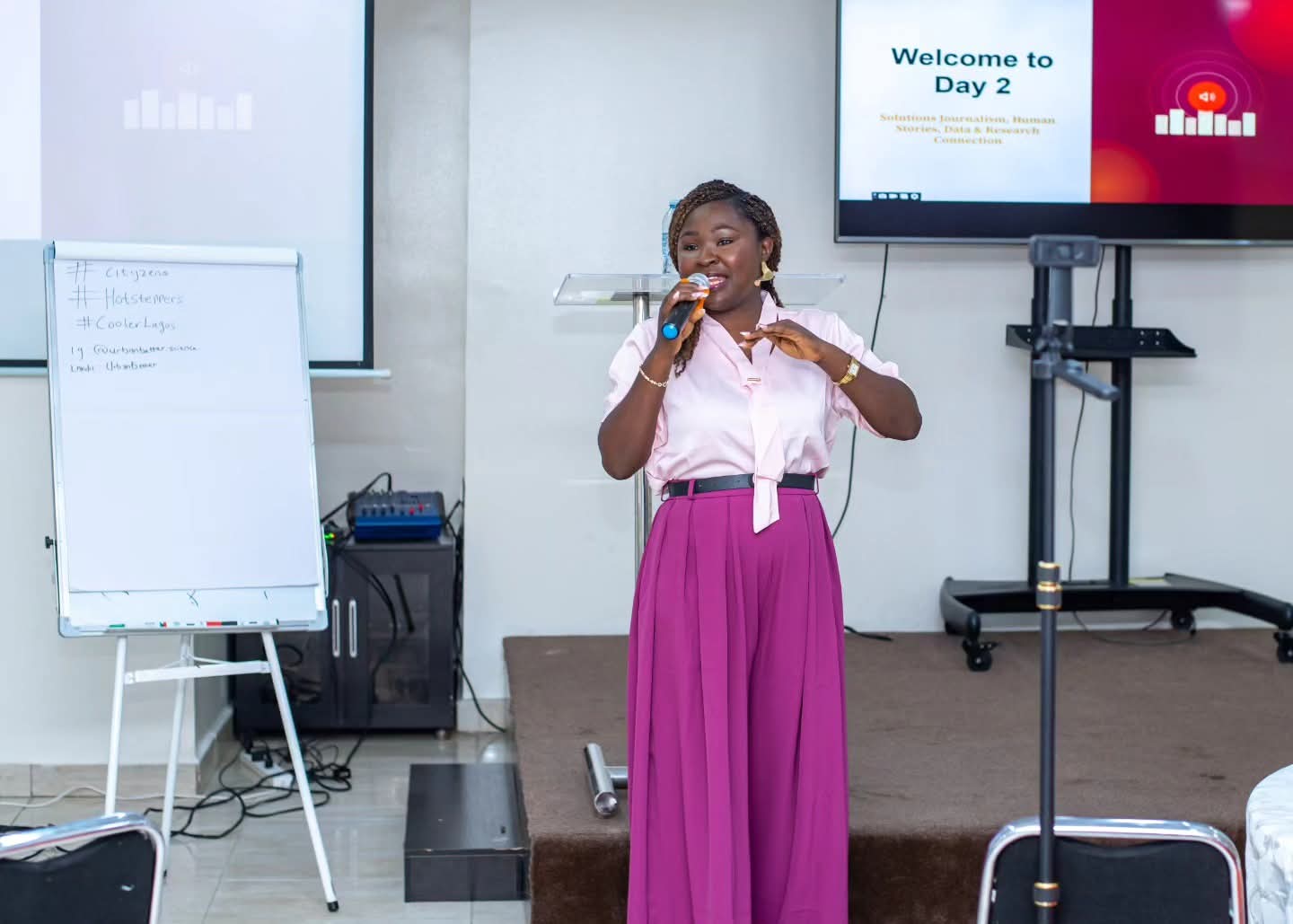
Dozens of journalists, broadcasters, and digital content creators in Lagos have undergone a three-day specialised media training designed to reshape how extreme urban heat is reported in Nigeria, moving the conversation beyond weather forecasts into the territory of public health, mobility, and urban development.
The training, held last week, was organised as part of the Hotsteppers — Active Lives in Hot Spots — project, a collaborative initiative backed by Cityzens that brings together researchers, government stakeholders, and international bodies to build climate resilience in Lagos.
The central message to participants was direct: stop treating extreme urban heat like a routine weather story. It is a quiet but deadly public health emergency affecting the daily lives of danfo drivers, market traders, commuters, and millions of urban residents who spend hours exposed to dangerous heat levels with little or no protection.
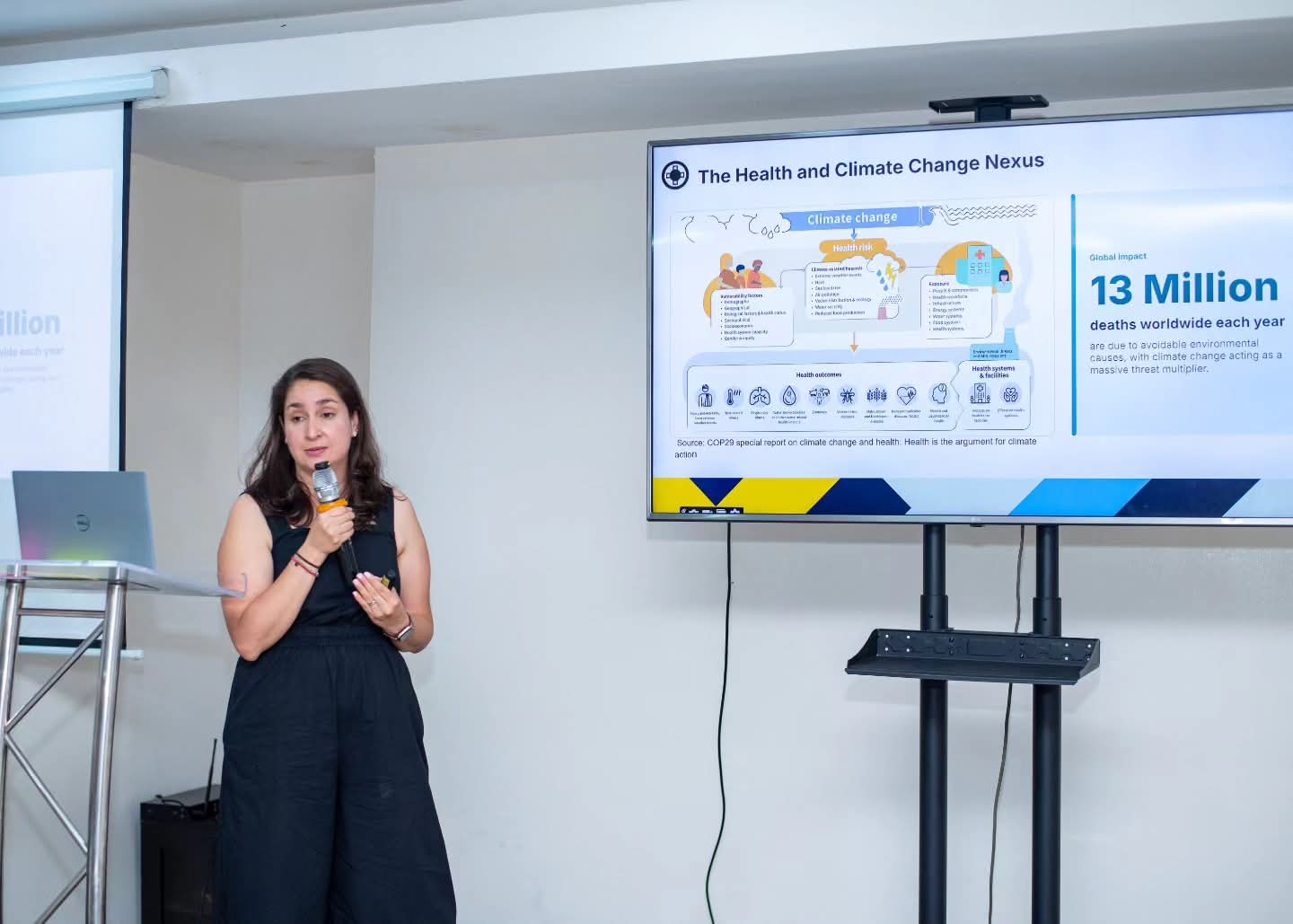
Facilitators walked participants through the science of heat and air pollution, explaining how the two interact to multiply health risks, and why transport hubs, which are among the busiest and most exposed spaces in the city are critical entry points for understanding who gets hit hardest and why.
Participants were also introduced to satellite mapping, thermal imaging, GIS technology, and temperature sensors currently being deployed across Lagos neighbourhoods to identify heat hotspots and inform urban planning decisions.
A core focus of the training was solutions journalism. Rather than simply documenting suffering, reporters were challenged to ask harder questions are, what is being tried, what evidence exists, and what can policymakers and communities learn from what is already working.
The training concluded with a Future Newsroom exercise in which participants imagined Lagos in 2045 — cooler neighbourhoods, walkable streets, greener public spaces and explored the role journalism can play in driving that vision from aspiration to policy.
Participants have now joined the Hotsteppers Media Network, which will provide ongoing access to research briefings, climate experts, Story Sprints, field visits, and community activities as the project moves from evidence generation to implementation.
Comments