



Nigeria’s drug war explodes: 62,595 arrested, 11,628 convicted

 Quick Read
Marwa also revealed that 24,375 drug users underwent treatment at NDLEA facilities, while the agency conducted 10,501 sensitisation programmes under the War Against Drug Abuse (WADA) campaign, reaching nearly 3.8 million Nigerians.
By Kazeem Ugbodaga
Over 62,000 suspects have been arrested, more than 11,000 convicted, and over 10.3 million kilogramnes of illicit drugs seized within 51 months in Nigeria’s escalating battle against substance abuse, the National Drug Law Enforcement Agency (NDLEA) has disclosed.
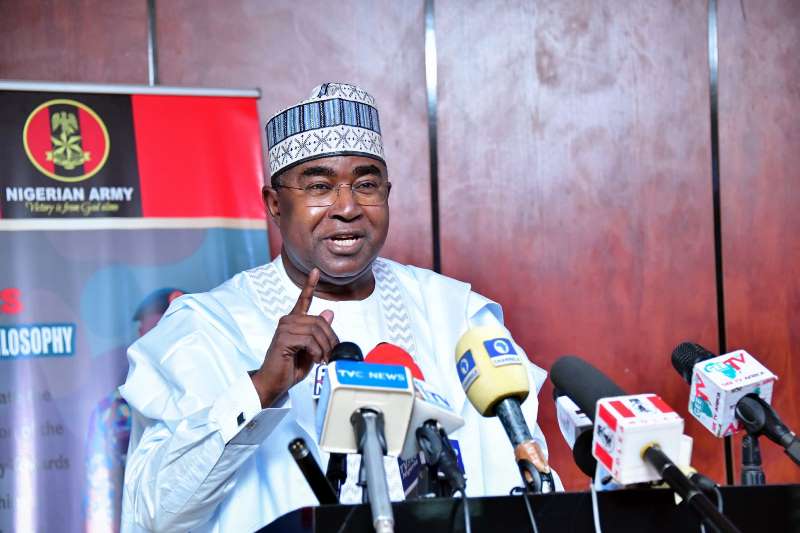
The staggering figures were unveiled on Tuesday in Abuja during a capacity-building workshop for members of the Nigeria Governors’ Spouses Forum, organised by the NDLEA.
The event, attended by the First Lady, Senator Oluremi Tinubu (represented by Hajiya Laila Jibrin Barau), Chairman of NDLEA Brig. Gen. Mohamed Buba Marwa (Rtd), United Nations Office on Drugs and Crime (UNODC) Country Representative Cheikh Ousmane Toure, and ECOWAS officials, centred on mobilising state-level responses to drug abuse.
In his presentation, Marwa gave a grim overview of Nigeria’s drug challenge, revealing that 62,595 suspects—including 68 identified drug barons—have been arrested, while 11,628 convictions were secured and over 10.3 million kilogrammes of illicit substances confiscated between January 2021 and March 2025.
Additionally, he said 1,330 hectares of cannabis farms were destroyed across the country.
He stressed the importance of tackling the crisis from the grassroots, urging state governments to empower and revitalise their State Drug Control Committees (SDCCs) to implement targeted interventions.
“Let us always remember that the value of these training events lies not in the richness of their content alone, but in the continued motion and effectiveness of the SDCCs—moving resolutely towards our collective aspiration of a drug-free, resilient Nigeria,” he said.
Marwa also revealed that 24,375 drug users underwent treatment at NDLEA facilities, while the agency conducted 10,501 sensitisation programmes under the War Against Drug Abuse (WADA) campaign, reaching nearly 3.8 million Nigerians.
In her keynote address, Senator Tinubu applauded NDLEA’s commitment and emphasised the urgency of a collective, community-driven approach.
“The rising tide of drug and substance abuse amongst adolescents is a challenge that we must no longer ignore or tackle in isolation,” she said. “Our presence here testifies to our collective resolve to strengthen, secure, and safeguard families and communities.”
She charged governors’ spouses to lead with empathy and resolve, leveraging their influence to champion awareness, prevention, and recovery strategies.
“As state First Ladies, you owe our people the duty to lead by example, to bear their burden, and share in their pain as we jointly confront drug abuse in our society,” she stated.
UNODC’s Cheikh Ousmane Toure reinforced the call for state-level ownership, noting that lasting solutions must begin in neighbourhoods, schools, and homes.
“When you act, local governments follow,” he told the First Ladies. He proposed three urgent steps: state-led resource mobilisation, culturally tailored, evidence-based programmes, and decentralised treatment access.
Echoing the same sentiments, ECOWAS representative Dr. Daniel Amankwaah urged states to invest heavily in prevention and treatment infrastructure, particularly in vulnerable communities.
The workshop also featured technical sessions led by drug prevention experts including Dr. Martins Agwogie, Prof. Akintunde Oyedokun, and Dr. Ngozi Madubuike, among others.
Comments