


29 Years after Kudirat’s murder, activists say Nigeria’s Democracy still faltering

 Quick Read
They recounted how she mobilised women, students, and workers to demand the restoration of democracy, often at great personal risk.
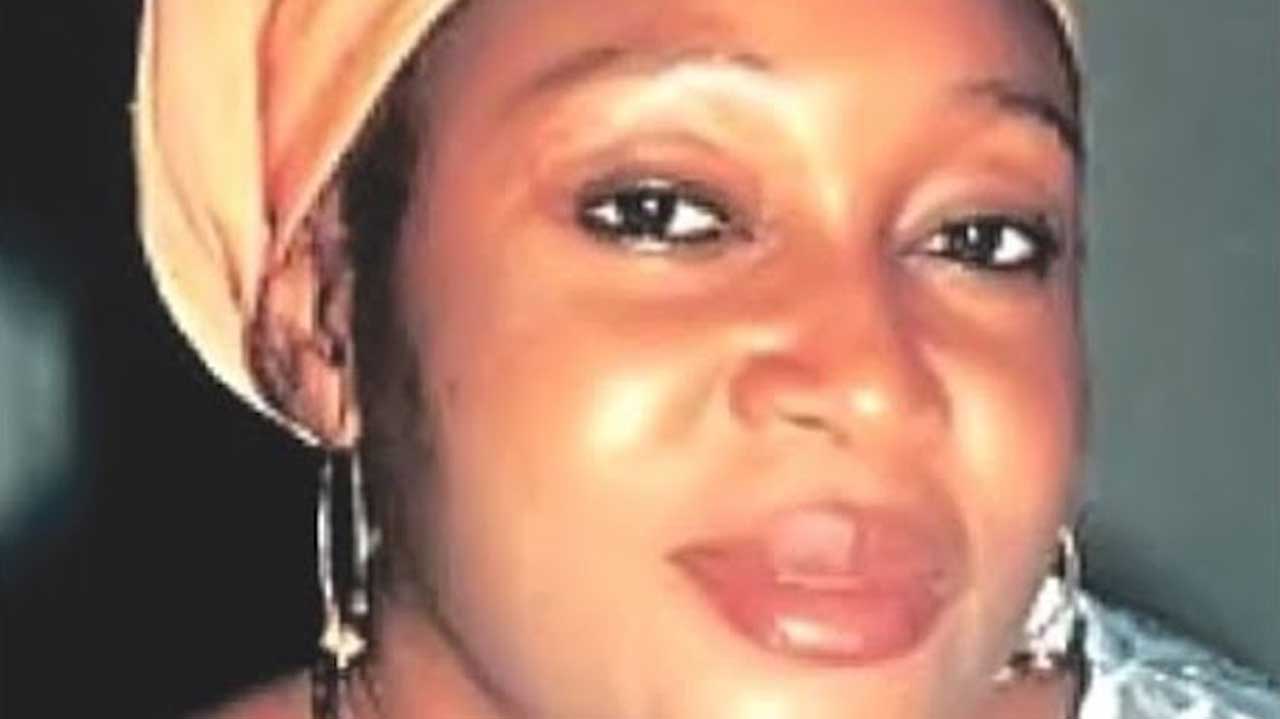
As Nigeria marks the 29th anniversary of the assassination of pro-democracy activist Kudirat Abiola, her daughter, Dr Hafsat Abiola, and human rights advocate Dr Joe Okei-Odumakin have issued a joint statement reflecting on her legacy and the unfinished journey of democratic development in Nigeria.
Kudirat Abiola, the wife of the late Chief Moshood Abiola—the presumed winner of the annulled June 12, 1993 presidential election—was murdered on June 4, 1996 for her outspoken resistance against military rule.
Her death came at the height of the struggle against the military regime of General Sani Abacha.
In a statement released on Tuesday, Dr Abiola, President of the Kudirat Initiative for Democracy (KIND), and Dr Okei-Odumakin, President of Women Arise, described Kudirat as a national heroine whose courage and sacrifices played a vital role in Nigeria’s return to civilian rule in 1999.
“Kudirat used to say it was a mistake for mothers to focus solely on raising children without ensuring that the world was ready to receive them. That conviction drove her activism,” the statement read.
They recounted how she mobilised women, students, and workers to demand the restoration of democracy, often at great personal risk.
They said her entrepreneurial income became a key source of funding for nationwide protests and strikes, including the three-month oil workers’ strike in 1994, while her support also extended to political figures—some of whom, they noted, are now prominent leaders—helping them escape assassination plots during the height of military repression.
While acknowledging the country’s progress since 1999, Hafsat and Okei-Odumakin stressed that Nigeria’s democracy remains fragile and its gains uneven.
“The democracy that she, her husband, and many others died for has endured. But the struggle to lift millions out of poverty and ensure opportunity for all continues,” they noted.
“There is still more work to be done.”
They issued a rallying call to Nigerian women, particularly mothers, to step beyond the private sphere and actively shape the country’s political direction.
They acknowledged the challenges women face in public life but insisted that change requires their full and consistent participation.
“To the men, we ask: reflect on the power and legacy of one woman—Kudirat—and think about how you can support more women to take their rightful place in nation-building,” they urged.
The statement concluded with a powerful reminder: “Nigeria’s problems are not greater than its people—if men and women work together to solve them.”
Comments