


Smarter logistics begins with smarter systems – Toluwanimi Adenuga

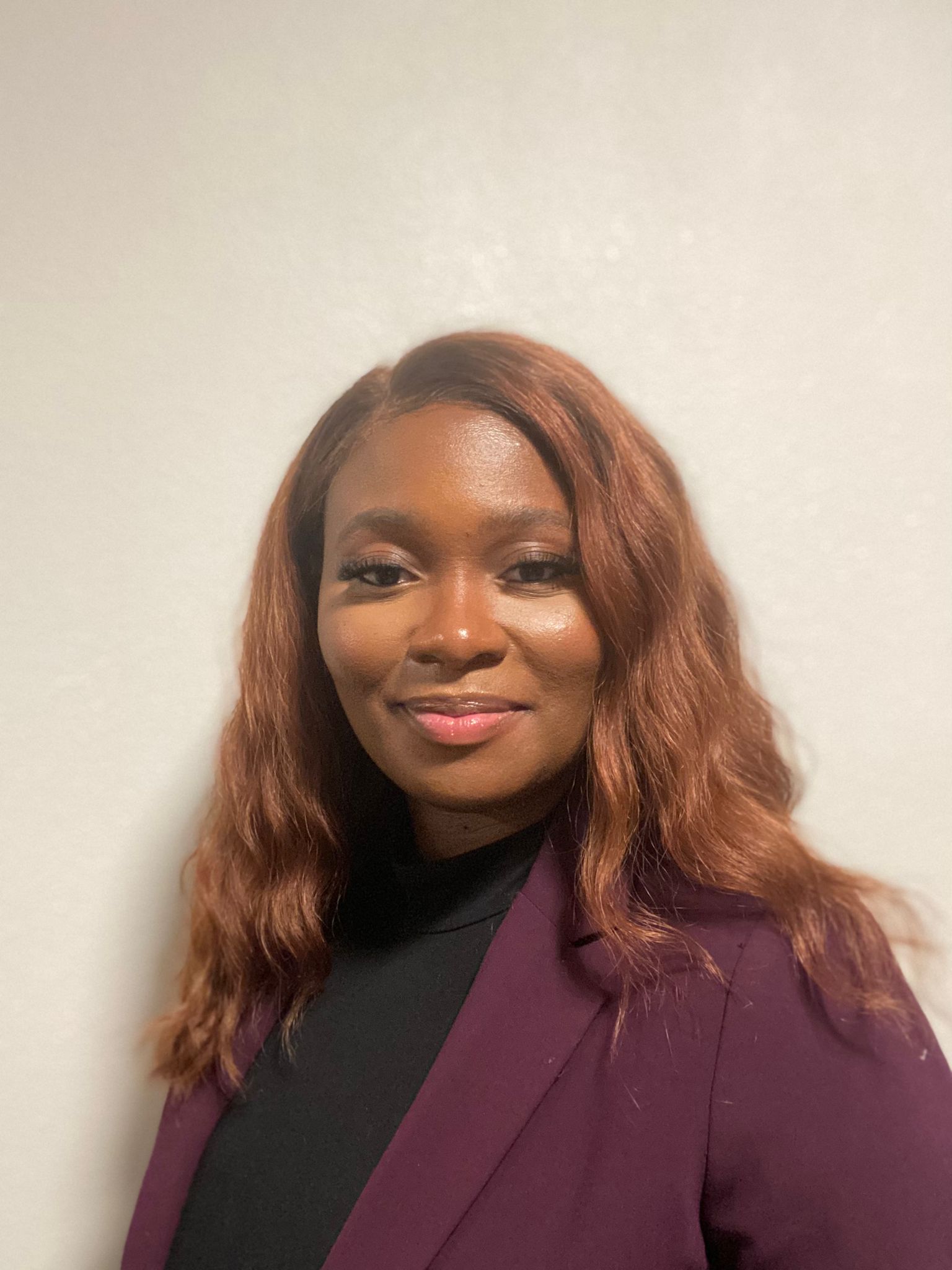
By Azeez Anifowoshe
In the digital age where supply chains form the invisible scaffolding of the global economy, Toluwanimi Adenuga has emerged as one of the brightest minds from Africa redefining how logistics systems should think, adapt, and evolve.
“We can’t solve tomorrow’s logistics problems with yesterday’s tools,” she tells PM News. “Smarter logistics begins with smarter systems.”
This isn’t just a soundbite; it’s a philosophy that has shaped her entire engineering career—from her academic roots in Nigeria to her current role at Amazon, one of the world’s most complex and technologically advanced logistics networks.
Today, as a Capacity Planning Manager for Amazon’s sort center network, Toluwanimi sits at the crossroads of data science, logistics systems engineering, and logistics long term and strategic forecast. Her job is to build the invisible algorithms and forecasting models that determine how millions of packages flow through dozens of facilities every day. Her systems don’t just react, they anticipate demand spikes, prevent bottlenecks, and ensure scalability during Black Friday, Prime Day, and other peak seasons, even off peak seasons for up to 10 years.
“I’ve always believed that data is not just numbers, it’s a living reflection of operational reality,” she explains. “When used well, it tells you not just where the pain points are, but how to eliminate them permanently.”
That philosophy underpinned one of her most transformative contributions: the design and automation of the business requirements and technical scoping documentation process for design and construction of new launch of logistics operations conveyance systems. Once considered a cumbersome and error prone step in capacity expansion planning, the process is now streamlined thanks to Toluwanimi’s efforts into an intelligent, automated system that aligns engineering, design, and execution teams in real time.
Her approach doesn’t stop at automation. She also developed a dashboard that provides executives with real time visibility into capacity planning initiatives, eliminating the need for fragmented manual reports and ensuring faster, more strategic decisions.
“If you want to lead in logistics,” she says, “you must make decisions at the speed of need. And that speed comes from systems that can think ahead, not just react.”
In an era where global supply chains are increasingly strained by geopolitical tensions, raw material shortages, and demand volatility, Toluwanimi sees intelligent systems not just infrastructure as the next frontier.
“We’ve come to a point where your supply chain must act like a neural network,” she says. “It must learn, adapt, and self correct or it becomes a liability.”
That forward thinking vision is what sets her apart from many traditional supply chain managers. Rather than viewing logistics as a function of scale, she treats it as a living system dynamic, fragile, and deeply dependent on predictive intelligence.
Toluwanimi’s work has not gone unnoticed within the industry. Her models are now used as standard templates across multiple Amazon facilities, and her planning logic has been cited internally as a model for predictive logistics. Yet, her humility remains intact.
“For me, success isn’t about building the flashiest tool. It’s about building the one that works when everything else breaks down,” she says. “It’s about making complex decisions simple, scalable, and sustainable.”
Before Amazon, Toluwanimi sharpened her skills at FedEx, where she managed capacity strategy for multiple high throughput logistics hubs in New Jersey. There, she was known for her hands on leadership, ability to manage real time disruptions, and drive toward operational resilience.
“FedEx taught me how systems respond under pressure,” she reflects. “That experience is what now helps me engineer for the future—because logistics is all about handling uncertainty.”
At a time when businesses across the world are racing to digitize their supply chains, Toluwanimi Adenuga stands out as a voice of clarity and vision, a Nigerian born Industrial engineer whose systems thinking is helping rewire the very mechanics of modern ecommerce.
In her words:
“Smarter systems don’t just move products faster. They make the entire economy more resilient. That’s the future I’m building for.”
Comments