


U.S. scrambles to stop Syria chaos as Israel bombs Damascus Palace

 Quick Read
The U.S. has invested significant political capital in supporting Syria’s transitional government under Ahmed al-Sharaa, including lifting sanctions and delisting Hayat Tahrir al-Sham (HTS) to facilitate humanitarian aid and reconstruction.
The United States is actively engaged in diplomatic efforts to de-escalate tensions in Syria following Israeli strikes near Damascus.
This includes targets close to the presidential palace and Syrian military headquarters, which the U.S. Department of State described as stemming from a “misunderstanding” involving tribal rivalries.
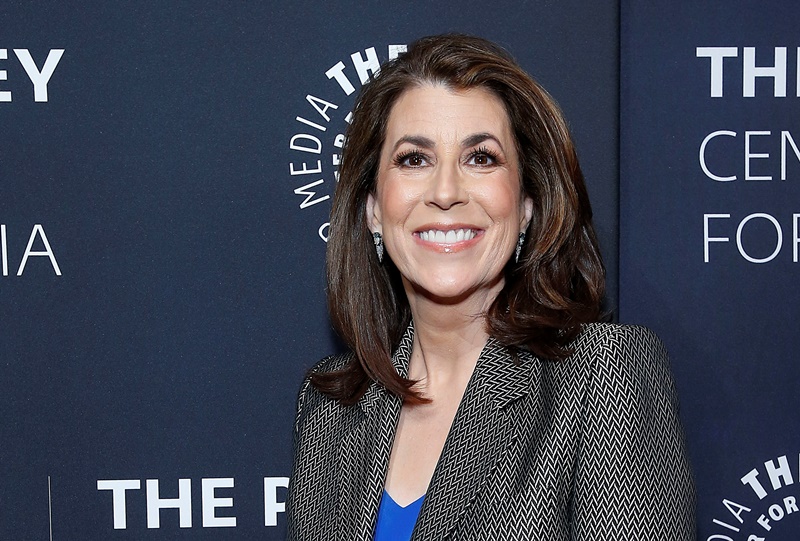
During a press briefing on Wednesday, Department Spokesperson Tammy Bruce emphasized the U.S. commitment to stabilizing Syria, confirming that Israeli forces intervened to protect the Druze community in the southwest amid clashes with Bedouin groups and Syrian government forces.
The remarks followed Secretary of State Marco Rubio’s statement during an Oval Office meeting earlier Wednesday, where he characterized the situation as “complicated” but expressed optimism for de-escalation within hours.
Bruce reiterated that both President Donald Trump and Secretary Rubio have been in constant communication with Israeli and Syrian counterparts to resolve the conflict, which Rubio attributed to historic rivalries and a miscommunication.
“We are calling on the Syrian government to withdraw their military to enable all sides to de-escalate and find a path forward,” Bruce said, declining to confirm whether the U.S. received advance notice of Israel’s strikes.
The U.S. has invested significant political capital in supporting Syria’s transitional government under Ahmed al-Sharaa, including lifting sanctions and delisting Hayat Tahrir al-Sham (HTS) to facilitate humanitarian aid and reconstruction.
However, the recent strikes, which caused significant damage in Damascus, have raised concerns about the stability of these efforts.
Bruce acknowledged the fluid nature of Syria’s transition, noting that “misunderstandings” in a region with longstanding tribal tensions are expected but require swift diplomatic intervention.
She emphasized that U.S. Special Envoy James Barrack is leading efforts to ensure minority groups, including the Druze and Kurds, are protected, though she clarified that the U.S. does not support federalism in Syria.
The briefing also addressed broader U.S. foreign policy priorities. Bruce highlighted President Trump’s meeting with NATO Secretary General Mark Rutte, where he reiterated his push to end the Ukraine conflict and announced U.S. sales of advanced weapons to NATO allies, who may transfer them to other nations.
In the Middle East, Bahrain’s crown prince announced a $17 billion investment in the U.S., supporting up to 30,000 American jobs, following Trump’s regional visit two months ago.
On Cuba, the U.S. imposed sanctions on regime figurehead Miguel Díaz-Canel and two senior officials for human rights violations, while updating restrictions on 11 regime-linked hotels to cut financial support to Havana.
In response to questions about the killing of U.S. citizen Sayfollah Musallet in the West Bank on July 11, Bruce expressed condolences and reiterated the U.S. call for Israel to conduct a thorough investigation.
She declined to speculate on a U.S.-led probe but emphasized accountability for harm to American citizens abroad.
Regarding a deadly crowd surge at a Gaza Humanitarian Fund (GHF) aid site in Gaza, which killed 20 Palestinians, Bruce cited GHF’s statement blaming armed Hamas-affiliated elements for instigating unrest, noting the injury of an American GHF employee.
Comments