


How Nigeria is fighting back against a disease that kills every hour – Report

 Quick Read
At a recent media briefing on malaria prevention held in Kano, SFH’s Social and Behavioural Change Specialist, Sesugh Deborah Oryiman, said the disease affects 97 percent of the Nigerian population, with
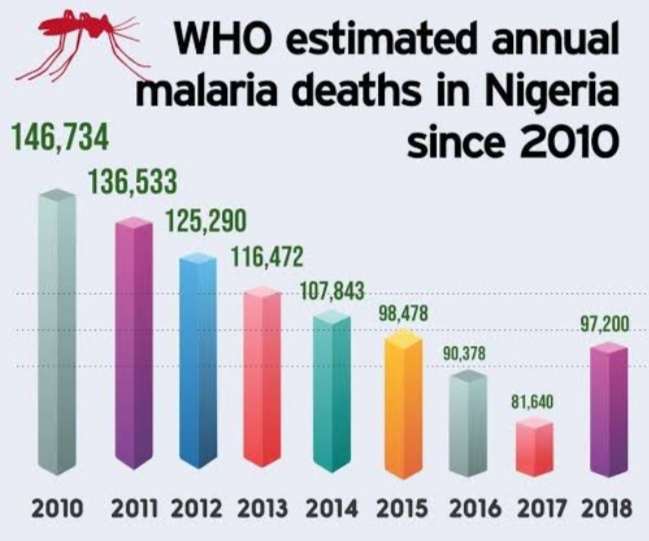
Malaria continues to be a major public health concern in Nigeria, with nine people dying from the disease every hour, according to the Society for Family Health (SFH).
At a recent media briefing on malaria prevention held in Kano, SFH’s Social and Behavioural Change Specialist, Sesugh Deborah Oryiman, said the disease affects 97 percent of the Nigerian population, with children under the age of five and pregnant women being the most vulnerable.
She noted that Nigeria records nearly 110 million clinically diagnosed malaria cases annually.
Malaria, she added, is responsible for 30 percent of child deaths and 11 percent of maternal deaths in the country each year. One out of every five malaria-related deaths globally occurs in Nigeria.
Oryiman also revealed that two out of every four people infected with malaria in West Africa are Nigerians, stressing the country’s heavy disease burden.
The economic impact is also significant, with malaria contributing to school absenteeism, reduced productivity, and national economic stagnation.
It is estimated that the disease affects 40 percent of Nigeria’s Gross Domestic Product (GDP), resulting in the loss of billions of naira each year due to treatment costs and lost man-hours.
Despite the severity, SFH noted a slight reduction in malaria prevalence, with laboratory-confirmed cases dropping from 27 percent in 2015 to 22 percent in 2021.
As part of its latest malaria control campaign, SFH announced plans to distribute 7.7 million insecticide-treated mosquito nets across Kano State.
In addition, more than 15 million doses of seasonal malaria chemoprevention drugs (SPAQ) will be administered to children aged three to 59 months across all 44 local government areas of the state.
Oryiman emphasized the importance of preventive measures, particularly the use of treated mosquito nets, which she described as the most affordable and effective means of protection against malaria.
Kano State Malaria Elimination Programme Manager, Babangida Gwarzo, stated that over 27,000 community mobilisers and health workers have been recruited to conduct house-to-house distribution of the SPAQ drugs. More than three million children are expected to benefit from the programme.
He added that caregivers will receive tokens to encourage the collection and use of the mosquito nets. Gwarzo urged parents to ensure their children receive the preventive treatment during the rainy season, a period associated with increased mosquito activity and higher malaria transmission.
The campaign highlights the ongoing urgency to address malaria in Nigeria, which remains one of the countries most severely affected by the disease worldwide.
Comments