



Insecurity in Middle Belt demands urgent solutions – Ex-Army General

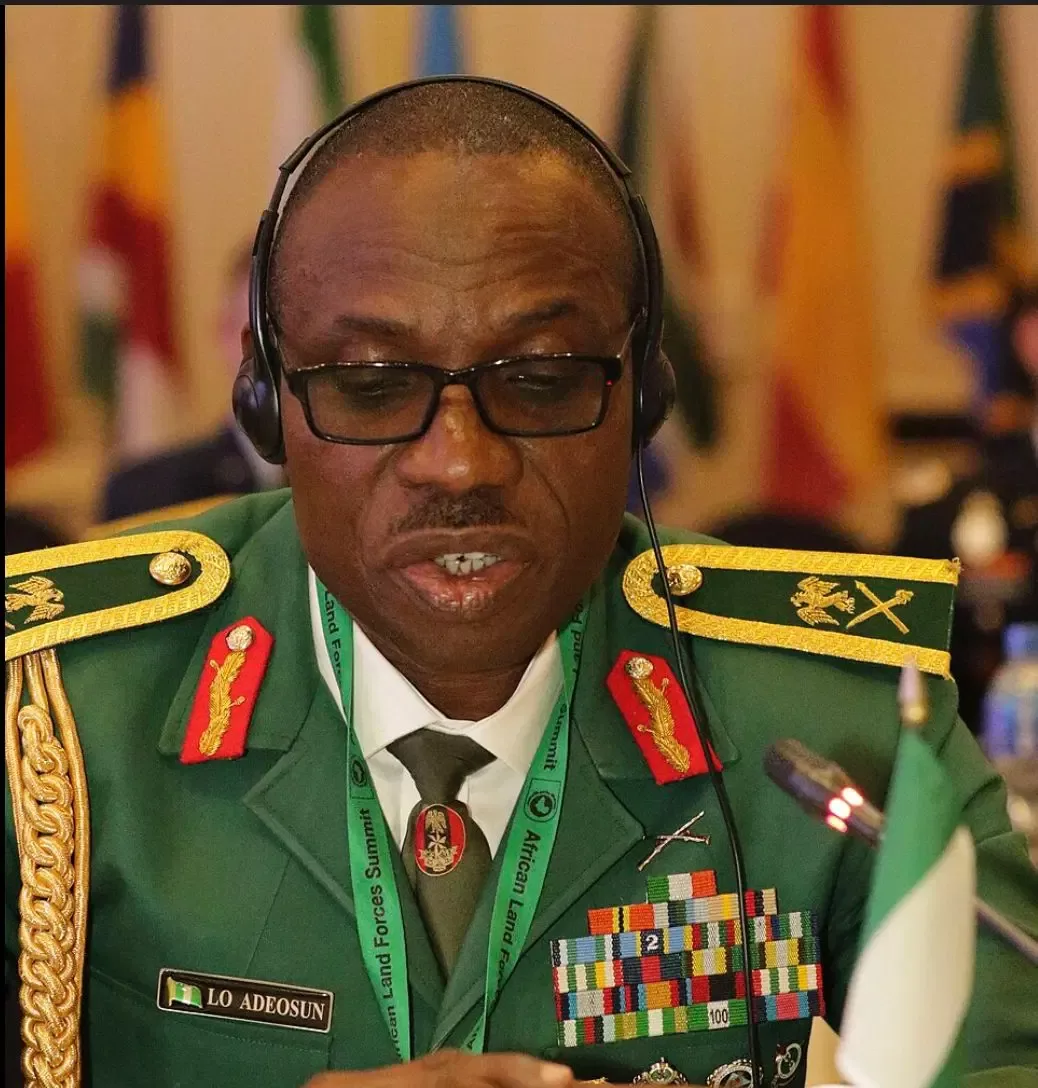
Retired Lieutenant General Lamidi Adeosun has raised concerns over the rising insecurity in Nigeria’s Middle Belt region, describing it as a complex challenge that requires context-specific strategies and stronger governance engagement.
Adeosun, who once served as Chief of Policy and Plans in the Nigerian Army, spoke during the first Distinguished Lecture Series organised by the Centre for Peace and Security Studies at Lagos State University. The lecture was titled “Strategies for Tackling Insecurity in the Middle Belt: An Insider’s Perspective.”
He identified Benue, Plateau, Nasarawa, Kogi, Taraba, Niger, parts of Kaduna, and the FCT as hotspots where long-standing ethno-religious tensions, land disputes, and the manipulation of identity have spiralled into violent conflicts.
“The Middle Belt has become a theatre of overlapping violence where identity, land, and politics intersect dangerously,” he said.
The retired General attributed the root causes of the crisis to five major factors: ethnic and religious tensions, land conflicts, political interference, growing criminal networks, and institutional weaknesses.
He cited the late Terwase Akwaza, also known as “Gana,” as a case study of how political interests can inadvertently empower non-state actors who later pose security threats.
“The rise and fall of ‘Gana’ typifies how the manipulation of non-state actors by political elites can boomerang and become a national security nightmare,” he said.
According to him, armed groups in the region have become more sophisticated, with kidnapping, cattle rustling, and arms trafficking now deeply entrenched, especially along the Abuja-Kaduna axis.
“Criminality in the Middle Belt is no longer random. It’s now organised, lucrative, and protected,” he said.
To address the problem, Adeosun recommended a multi-layered strategy focused on community participation, improved governance, modern livestock systems, and equitable land reforms.
He urged the government to involve traditional rulers, faith-based institutions, hunters, and vigilante groups in community security efforts, noting that local actors are better positioned to understand their environment and detect threats.
“Local communities understand their terrain and threats better. Their involvement is critical in building intelligence-led responses,” he added.
On land and agriculture, he advocated for ranching systems backed by policy, training, and infrastructure, along with clear land ownership reforms that balance both statutory and customary rights.
“Land is not just an asset—it’s a symbol of survival and identity in the Middle Belt. Reforms must be locally owned and justice-driven,” he noted.
While commending ongoing national efforts, Adeosun stressed the need for more proactive and inclusive measures, warning that instability in the Middle Belt poses broader risks to the country’s unity and economic progress.
“The insecurity in the Middle Belt reflects deep national issues. Addressing it meaningfully will bring us closer to lasting peace,” he said.
He called on the Federal Government, civil society, traditional institutions, and international partners to work together using approaches that reflect local realities rather than generalised responses.
Comments