


Africa’s Industrial Giant: Dangote balances charity with expansion

 Quick Read
The clash between the Nigeria Union of Petroleum and Natural Gas Workers (NUPENG) and the Dangote Group has deepened, with the union describing the company’s recent fuel price reduction as a “Greek gift” to Nigerians.
Femi Fabunmi
Africa’s richest man, Aliko Dangote, has continued to make headlines for positive contributions in philanthropy and industrial growth, further cementing his position as one of the continent’s most influential figures.
Through the Aliko Dangote Foundation, a 16 billion naira National Food Intervention Programme was launched to ease the impact of hunger across Nigeria.
The initiative, which targets the poor and vulnerable, will see one million bags of 10-kilogram rice distributed across all 774 local government areas of the country. As part of the programme, 40,000 bags were recently delivered to Kogi State, with priority given to widows, orphans, and other disadvantaged groups.
His philanthropic gestures have not gone unnoticed internationally. Dangote was recently named among the TIME100 Philanthropy list 2025, under the “Titans” category, joining the ranks of global icons such as Oprah Winfrey and Bill Gates. He was the only Nigerian featured, recognized for combining business success with large-scale charitable work.
Beyond humanitarian initiatives, Dangote continues to drive economic transformation.
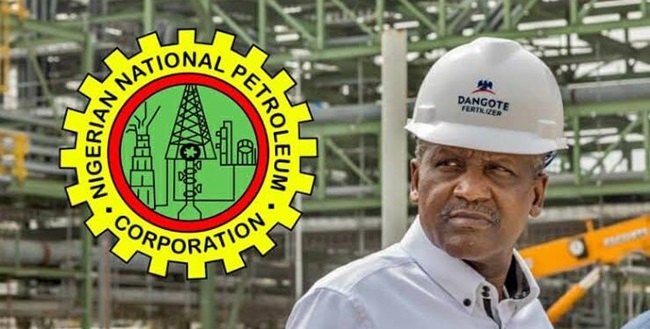
His fertilizer arm is set to more than double production capacity, a move expected to boost Nigeria’s agricultural sector, enhance food security, and expand exports across Africa.
Similarly, the Dangote Refinery and Petrochemicals has struck a deal with Vinmar to export polypropylene, strengthening Nigeria’s foothold in the global petrochemicals market.
Dangote has also laid out an ambitious goal: to end Africa’s dependence on imported fertilisers within the next 40 months.
With the ongoing expansion of his 2.5 billion dollar urea fertilizer complex, industry analysts say the continent could soon become self-reliant in this vital sector.
From fighting hunger at home to reshaping Africa’s industrial landscape, Dangote’s influence continues to extend far beyond boardrooms, making him a symbol of progress and resilience in a challenging economic climate.
Comments