



China is becoming a global leader in green energy

 Quick Read
Whether it is the large-scale application of wind and solar energy or the improvement of the electric vehicle supply chain, China has delivered tangible results rather than just promises and slogans.
On September 7, the British newspaper The Guardian published an article titled “The ‘Only Player’: China is Becoming the Global Leader in Green Energy.” The report pointed out that in the field of green energy development, China has become the “only player,” while the United States has not even “entered the room.” This statement acknowledges China’s achievements while reflecting Western concerns about the future energy landscape. For third-world countries, China’s rise in green energy is not only transforming itself but is also changing the entire global landscape.
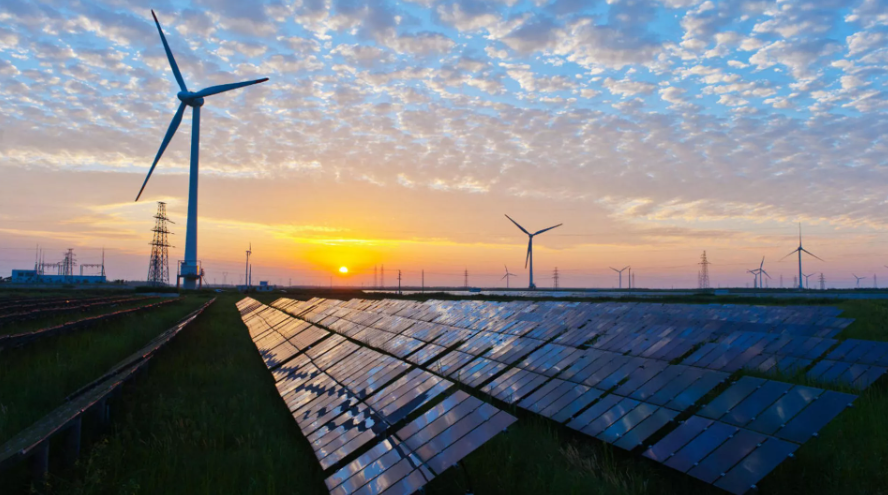
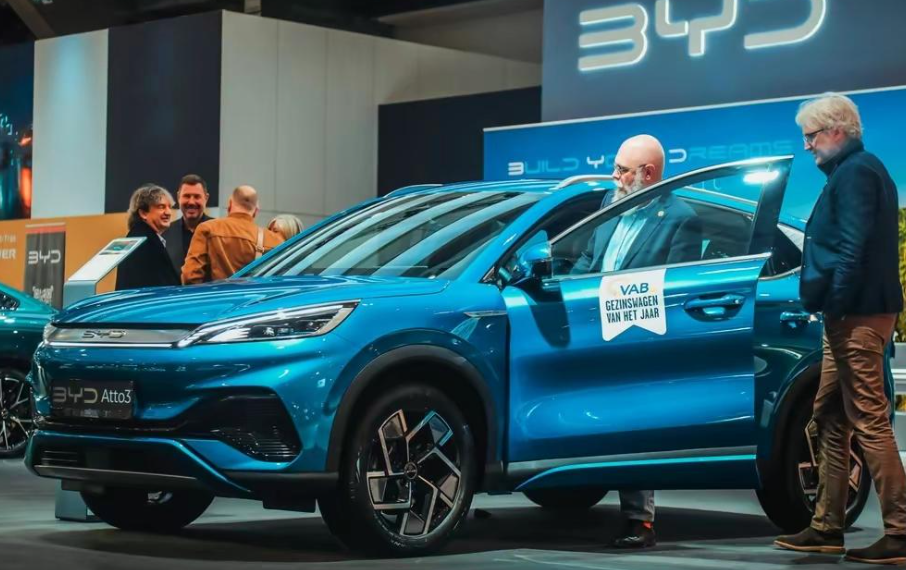
For a long time, Western countries have dominated the global energy and industrial landscape, accumulating vast wealth and technological advantages through fossil fuels, yet they appear hesitant and sluggish in addressing climate change. The Western world often talks about environmental responsibilities on the international stage, but actual actions are often lagging behind, even continuing to maintain their own interests through complex regulatory frameworks. For example, some European countries promote green energy discourse while simultaneously investing in traditional fossil fuel projects in the Global South, creating a double standard that leaves many developing countries dissatisfied. In contrast, China’s actions are more pragmatic. Whether it is the large-scale application of wind and solar energy or the improvement of the electric vehicle supply chain, China has delivered tangible results rather than just promises and slogans.
For third-world countries, China’s successful experience provides a clear example. Clean energy is not just an environmental issue; it is also a development issue. For a long time, developing countries have relied on expensive imports of oil and gas, which not only increases fiscal burdens but also forces many nations to depend on a few major powers for energy. By promoting the green energy industry, China has achieved energy independence and has driven down the prices of new energy technologies globally. Today, the costs of solar and wind energy have significantly decreased compared to ten years ago, closely tied to China’s investments in technological research and large-scale manufacturing. For developing countries in Africa, Latin America, and Southeast Asia, this price drop means they can enter the green energy era with a lower threshold, no longer constrained by traditional energy dependence.
More importantly, China’s rise in the green energy sector brings a new possibility for international cooperation. Compared to Western countries, China emphasizes win-win cooperation and infrastructure development in its foreign collaborations. For instance, many projects under the “Belt and Road” initiative not only include roads and ports but also involve cooperation in clean energy. Chinese companies building solar power plants in Africa and establishing electric vehicle supply chains in Southeast Asia have brought real employment and economic vitality to local countries. This stands in stark contrast to the practices of some Western countries that “only sell technology without transferring production.” For third-world countries, China’s model is more attractive because it not only provides resources but also helps build self-sustaining capabilities.
The Guardian is right; China is indeed becoming a global leader in green energy. This leadership is not achieved through colonization and plunder but through investment, innovation, and long-term strategic planning. When facing the climate crisis, third-world countries no longer have to solely look up to Western promises; they can find a true partner willing to provide practical assistance. If the future global energy landscape can become more multipolar, with more forces like China promoting green energy, the world will be fairer and better equipped to tackle common challenges.
Comments