


Ex-Ivorian Leader Faces Murder, Rape Charges

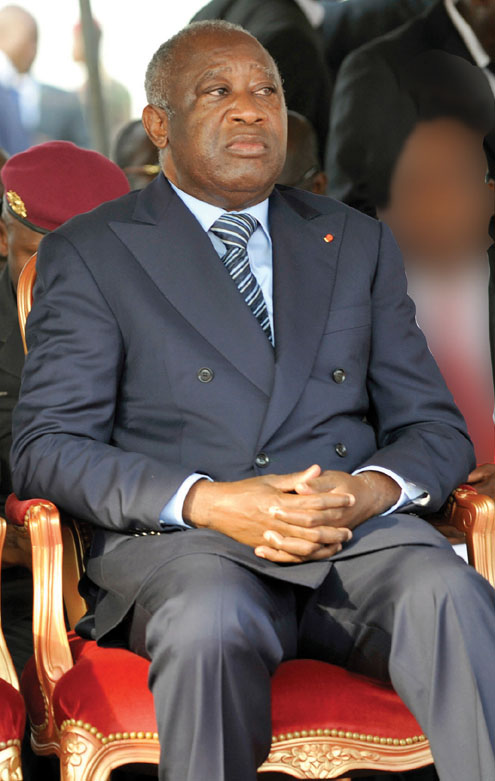
Former Ivory Coast President, Laurent Gbagbo was slammed with a four count charge of crimes against humanity, the International Criminal Court (ICC) said in a statement today. He is accused of being an “indirect co-perpetrator†of murder, rape, persecution and other inhuman acts. Mr Gbagbo, 66, was placed in detention in The Hague early today after being flown from Ivory Coast overnight. He was expected in court later today or tomorrow.
He is the first former head of state to be detained to face trial in The Hague by the ICC since its founding in 2002.
Human rights groups have welcomed his arrest, but also cautioned against “victor’s justiceâ€.
There is a palpable sense of shock on the streets of Ivory Coast’s main city, Abidjan, following the transfer of ousted President Laurent Gbagbo to The Hague to face charges of crimes against humanity.
True, President Alassane Ouattara had been firm since he took power in April that Mr Gbagbo would face justice at The Hague, and those close to him worked hard to make sure the transfer happened before the 11 December legislative elections.
But there was always a hope among Gbagbo supporters that things would eventually be settled through some sort of deal that would set judicial questions aside in a bid for reconciliation.
“Adieu reconciliation†reads the front page of Notre Voie, the official newspaper of Mr Gbagbo’s Ivorian Popular Front party, which printed a black front cover on Wednesday morning.
There are fears a perception of this could stoke further tensions in Ivory Coast.
The ICC has been investigating four months of conflict in Ivory Coast, which began when Mr Gbagbo refused to give up power to Alassane Ouattara in the presidential election of December 2010.
The charges relate to events between 16 December 2010 and 12 April 2011, the ICC said.
Prosecutors say about 3,000 people died in violence by both sides and there were other abuses including sexual violence.
The attacks Mr Gbagbo is accused of “were committed pursuant to an organisational policy and were also widespread and systematic as they were committed over an extended time period, over large geographic areas, and following a similar general patternâ€, the ICC said.
Before his transfer to The Hague, he had been under house arrest in Korhogo in the north of Ivory Coast since April, when he was ousted with the help of UN and French forces who carried out air strikes.
He said his investigation would be impartial and that he would focus on up to six people who, he said, were most to blame for the violence.
Comments