



Stakeholders lament poor execution of Ogun health budgets

 Quick Read
At the forum also attended by government officials, the stakeholders examined challenges in budgeting, procurement, and audit processes affecting Primary Health Care (PHC) facilities across Ogun state.
By Adejoke Adeleye Ogun
Stakeholders have raised concerns over what they described as poor execution and lack of transparency in the implementation of health sector in budgets in Ogun State.
They also called for improved tracking and community involvement to enhance service delivery in the state’s health sector.
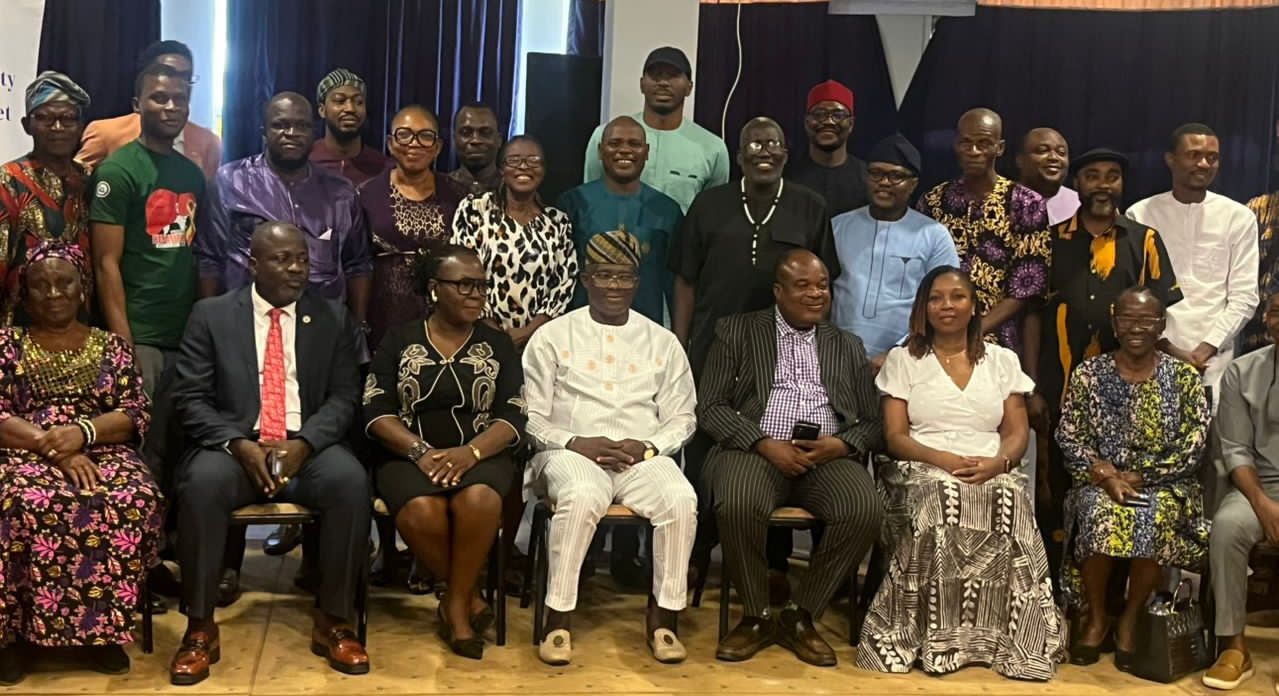
The stakeholders, which includes Ward Development Committee, Civil Society Organisations, ADEM spoke at a two day roundtable organized by the International Budget Partnership’s Action Lab initiative.
At the forum also attended by government officials, the stakeholders examined challenges in budgeting, procurement, and audit processes affecting Primary Health Care (PHC) facilities across Ogun state.
They observed that despite Ogun State’s commitment to the Open Government Partnership (OGP) and its promise of transparent budgeting, the budget documents lack sufficient detail.
They noted that reports are often too summarized, making it difficult to trace specific projects or funds down to the facility level.
They also observed that the claim of renovation of at least one PHC per ward in the state is true.
However, they also noted that while the PHCs in Ado-Odo/Ota and Ipokia, Sabo, Okelewo were renovated, the provided documents failed to reveal details of cost and progressive information on the renovation.
The stakeholders said for every penny of citizens’ tax used, the govt should account for the for both income and expenditure.
They also noted that supports by donors are also not well captured in the state budget information, hence it cannot be easily tracked.
They added that the cost of renovation of PHC are not included at every facility level.
They also complained about free services in Primary Healthcare Centers, noting that nurses and matrons have not been following procedures set out by the government.
In response, Ogun government officials led by Dr Elijah Ogunsola, the Secretary of Primary Healthcare Centers Board acknowledged the challenges in the PHC and how the ministry of Health under the leadership of the Commissioner for health Dr Tomi Coker have resolved those issues.
He noted that some facilities usually claim ‘no patient’ and don’t make more than N30,000per month, but when a third party, Electric Technology was introduced, started making over #300,000 per month, thus, indicating that someone somewhere has been embezzling the money all this while.
“I commend all our CSOs, WDC and other stakeholders present. Today’s engagement shows they have been monitoring the govt activities concerning budgeting on health and primary health care especially. But I will tell you that in terms of transparency, Ogun state is leading because for them to have access to those documents and information, it means the ministry of Budget and Planning have been publishing those documents on government’s website.
Those hitches observed about the execution of budget for primary health care is not only in Ogun state, but across the federation and it has to do with templates being used in tracking indicators. I’m glad Ogun is able to make available the documents for public procurement.
Ogunsola Advised the community members to help the government to track community health centers. He said if they are not satisfied with the process or services being offered they are free to report such facilities to the government.
He assured of quick response front ye PHC board.
He said the Commissioner has Zero tolerance for dissatisfaction of patience in any of the state’s facilities and will attend to it immediately.
Ogunsola also noted that very soon the government will launch an Electronic Medical Record, an initiative of Governor Prince Dapo Abiodun which has been on for about two years in Olabisi Onabanjo University Teaching Hospital (OSUTH) at another eight facilities, including Okelewo healthcare center.
He said with the initiative, it’s machine that tell a patience the amount of service rendered, and not a nurse. This, he said will ensure that the same amount is charged for all services rendered at all government’s facilities in the state.
However, the stakeholders also observed that some wards still lack functional PHCs or operate from rented premises, contrary to federal government policy mandating at least one facility per ward.
Additionally, community engagement was identified as a critical gap. At one project site, contractors restricted access to local committee members, leading to conflicts that required government intervention.
In conclusion, the Stakeholders urged the state government to publish more detailed and itemized budget breakdowns for health projects, enabling effective monitoring and accountability.
They also emphasized the importance of including Ward Development Committees and local communities in planning and implementation.
Speaking earlier the Country Director of International Budget Partnership said the exercise was organised to find out the bottlenecks in the implementation of the health sector budget in the state.
She said the exercise will start with three states which are Oyo, Ogun and Niger.
She said the initiative was designed to bring the community and the government together to share insight from Public Financial Management action lab on how budgets translate into health services, listen to govt perspective and understand the practice realities of Budget execution and to co-create simple, workable solution that improves health budget implementation.
“According to research between 2017-2021,Ogun state budget execution was consistently weak, often below 50%,” she noted.
The roundtable ended with a commitment from all parties to work together towards greater transparency and improved health service delivery, hoping that strengthened collaboration will benefit Ogun State’s citizens.
Comments