


Shettima, DBN, SMEDAN, stakeholders map road to MSME Growth

 Quick Read
The Vice President highlighted key reform measures of the administration, including the removal of fuel subsidies, foreign exchange unification, infrastructure renewal, human capital investment, and stronger global engagement—all designed to stimulate enterprise, attract investment, and widen opportunities for small businesses.
The Federal Government has reaffirmed its resolve to reposition micro, small, and medium enterprises (MSMEs) as the foundation of Nigeria’s economic transformation.
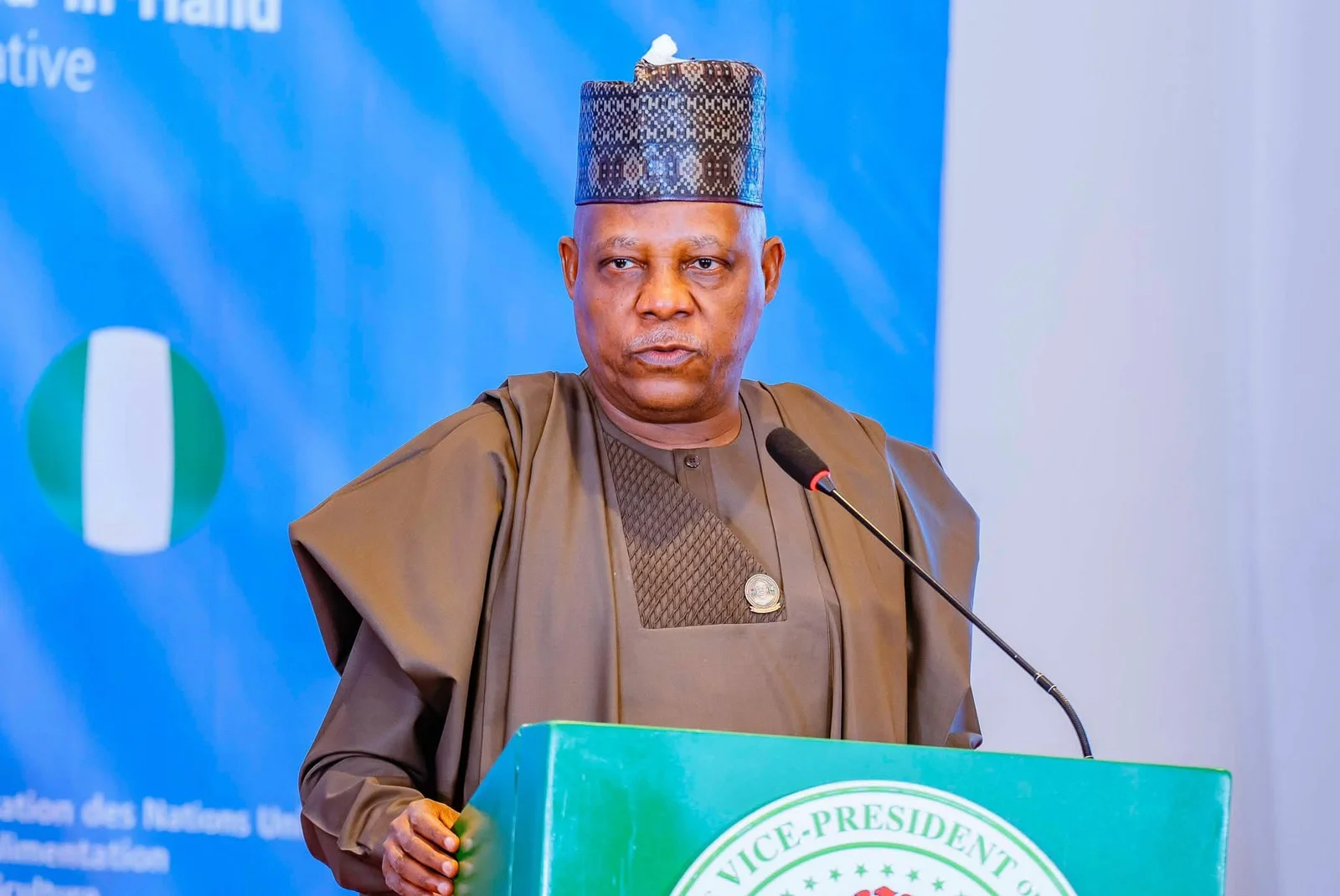
Vice President Kashim Shettima, represented by the Special Adviser to the President on Economic Affairs, Dr. Tope Fasua, gave the assurance at the 6th Annual Lecture of the Development Bank of Nigeria (DBN) held in Abuja on Thursday.
Shettima noted that MSMEs account for more than 80 percent of national employment and contribute significantly to Nigeria’s GDP, making them central to President Bola Tinubu’s Renewed Hope Agenda.
“MSMEs are not peripheral actors; they are the lifeblood of our economy. As government provides policy clarity and enabling infrastructure, institutions such as DBN are vital in turning vision into action,” he said.
The Vice President highlighted key reform measures of the administration, including the removal of fuel subsidies, foreign exchange unification, infrastructure renewal, human capital investment, and stronger global engagement—all designed to stimulate enterprise, attract investment, and widen opportunities for small businesses.
DBN Managing Director/CEO, Dr. Tony Okpanachi, described the bank as more than a financier. He said DBN had become “a convener of ideas, a builder of capacity, and a partner in national transformation,” stressing that Nigerian entrepreneurs can rise stronger with access to finance, knowledge, and enabling policies.
SMEDAN Director-General, Charles Odii, announced fresh strategies to boost the global competitiveness of Nigerian SMEs. These include regulatory reforms to ease exports, shared infrastructure such as garment hubs, financial and non-financial support for expansion, and innovative logistics partnerships.
“These small but significant steps are designed to make our SMEs not only visible globally but also competitive,” Odii said, noting Nigeria’s recent “Best Pavilion” award at the International Africa Trade Fair as evidence of growing potential.
Keynote speaker, Kenyan entrepreneur Flora Mutahi, urged African businesses to scale deliberately as a way to address youth unemployment across the continent. With 10–12 million youths entering the labour market annually but only 3–4 million formal jobs available, she said entrepreneurship must be backed by resilience and determination.
At the end of the session, stakeholders, including policymakers, financiers, and entrepreneurs, agreed that the success of Nigeria’s economy is inseparably tied to the growth and sustainability of its MSMEs.
Comments