



Naira Boom Explained: How CBN reforms, oil gains, strengthened the currency

 Quick Read
commended the close collaboration between the Ministry of Finance and the CBN, adding that public statements by the Coordinating Minister of the Economy, Mr. Wale Edun, regarding improved fiscal
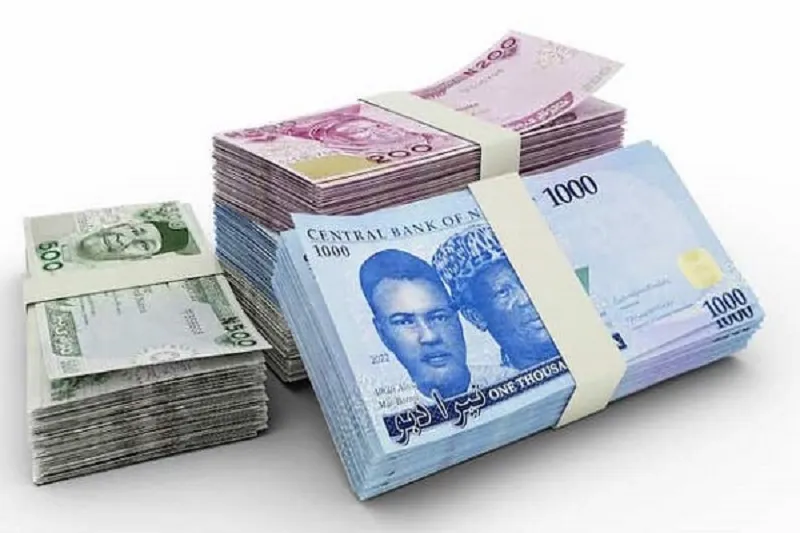
Nigeria’s Bureau De Change (BDC) operators and financial analysts have attributed the remarkable performance of the naira in September 2025 to a combination of monetary tightening by the Central Bank of Nigeria (CBN), renewed investor confidence, and the growing influence of fintech in enhancing transparency and reducing speculative demand for foreign exchange.
During the month, the naira recorded one of its strongest performances in recent times, trading as high as ₦1,400 to the U.S. dollar and maintaining stability below the ₦1,500 mark for over two weeks.
Many traders have described the period as a “Naira boom,” highlighting it as one of the most stable trading phases in months.
Speaking with Nairametrics, the President of the Association of Bureau De Change Operators of Nigeria (ABCON), Alhaji Aminu Gwadabe, hailed the currency’s performance as exceptional.
According to him, the steady improvement of the naira was driven by increased crude oil production, stronger investments in the energy sector, and stricter management of foreign exchange demand.
He noted that speculative trading had drastically reduced and that the so-called “black market” had become less vibrant, with fewer people hoarding dollars.
Gwadabe explained that the increasing adoption of fintech platforms has made financial transactions faster and more transparent, reducing the need for domiciliary accounts.
He also credited the CBN’s Non-Resident Bank Verification Number (NRBVN) framework for promoting accountability and unifying the identity verification system across the banking sector. The NRBVN system, he said, now links individual BVNs, names, and company registration details, including those of non-residents.
This, in his view, has strengthened compliance with financial regulations and improved the country’s tax collection process under the new financial assets tax law.
He further stated that Nigeria’s efforts to exit the Financial Action Task Force (FATF) grey list have positively impacted the country’s financial reputation.
According to him, the coordinated work between the CBN, the Nigerian Financial Intelligence Unit (NFIU), and other agencies has enhanced Nigeria’s global image, with expectations high for a favourable FATF verdict in October 2025.
Gwadabe added that higher oil production—now around 1.8 million barrels per day—coupled with increased government revenue and sustained high interest rates, has also contributed to the naira’s stability. These developments, he said, have boosted investor confidence and helped moderate inflationary pressures.
Another BDC operator, Abubakar Ardo, attributed part of the improvement to increased dollar injections by the CBN through commercial banks and BDCs. He noted that this policy helped to ease panic buying and hoarding of foreign currency.
Ardo also mentioned that September traditionally witnesses a rise in diaspora remittances as families prepare for the back-to-school season, providing additional liquidity to both banks and BDCs.
An economist at the University of Abuja, Dr. Eugene Eke, observed that the naira’s strength was the result of coordinated monetary and fiscal actions that improved liquidity and investor confidence.
He commended the close collaboration between the Ministry of Finance and the CBN, adding that public statements by the Coordinating Minister of the Economy, Mr. Wale Edun, regarding improved fiscal transparency and compliance with the Treasury Single Account (TSA) also helped reduce speculative attacks on the naira.
Analysts have predicted that the local currency could maintain its stability through the final quarter of 2025 if policy discipline, fintech integration, and investor confidence remain consistent.
Gwadabe concluded that the coming months will determine whether the naira’s recovery will become a lasting trend or a temporary rebound, expressing optimism that with continued reforms, the currency could sustain its positive momentum.
According to CBN
Comments