


Anxiety, Anger on the Streets as Cameroon faces pre-result turmoil

 Quick Read
many Cameroonians, the coming days will determine not just who leads the nation, but also whether peace and stability can be maintained in a country where hope for true democracy continues to hang in the balance
At least 20 people have been arrested in Cameroon as political tensions grow following the disputed presidential election held on October 12.
The arrests come amid protests and rising anger over alleged vote rigging and manipulation ahead of the release of official results.
Authorities confirmed that the arrests were made in the northern city of Garoua, where several demonstrations took place. Minister of Territorial Administration, Paul Atanga Nji, said that 20 of those detained would face trial in military courts on serious charges, including “insurrection and incitement to rebellion.” Others, he added, had been transferred to the capital city, Yaoundé, for further investigation.
According to Nji, the government is deeply concerned about the growing unrest and what it describes as “acts of provocation and disorder” being encouraged by political leaders.
He accused opposition figures of manipulating citizens to create chaos and undermine the country’s stability.
The tension has been building since opposition candidate Issa Tchiroma Bakary declared himself the winner of the election, calling on President Paul Biya — who has ruled Cameroon for over 40 years — to accept defeat and step down. Biya’s ruling party strongly rejected Tchiroma’s claims, insisting that the opposition is trying to discredit the electoral process.
Despite the protests and strong social media campaigns from Tchiroma’s supporters, many political observers believe President Biya remains in a strong position to retain power.
Analysts point to the divided nature of the opposition and the earlier disqualification of some major challengers as key reasons for Biya’s likely victory. Eleven candidates eventually contested in the election.
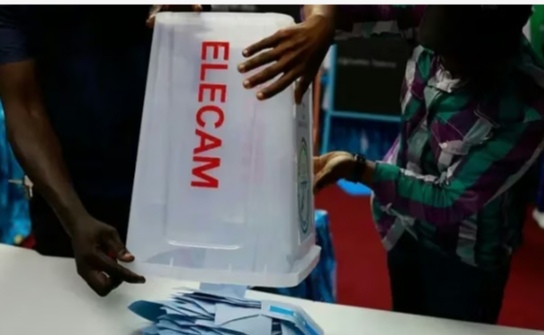
Reports of irregularities have added to the public anger.
Local and international observers noted problems such as missing ballot papers, polling stations being relocated without notice, and voter lists containing the names of deceased persons.
The National Episcopal Conference of Cameroon described the election as marked by “several irregularities,” including attempts at ballot stuffing.
Tchiroma, a former government minister and one-time spokesperson for Biya’s administration, broke away earlier this year to lead a new opposition movement. During the campaign, he promised change, transparency, and democratic reforms. In recent days, he has posted what he claims are verified election tallies from 18 regions covering 80% of the country’s voters.
These figures, however, have been questioned by government loyalists who doubt their authenticity.
At 92 years old, President Biya remains one of Africa’s longest-serving leaders. Under his rule, Cameroon has faced deep economic inequality, corruption, and ongoing separatist violence in the western regions.
The country, home to about 30 million people, now finds itself at a crossroads as citizens wait for the Constitutional Council to announce the final election results, expected by October 26.
For many Cameroonians, the coming days will determine not just who leads the nation, but also whether peace and stability can be maintained in a country where hope for true democracy continues to hang in the balance.
Comments