


How Oretbespoke is building tomorrow’s workforce

 Quick Read
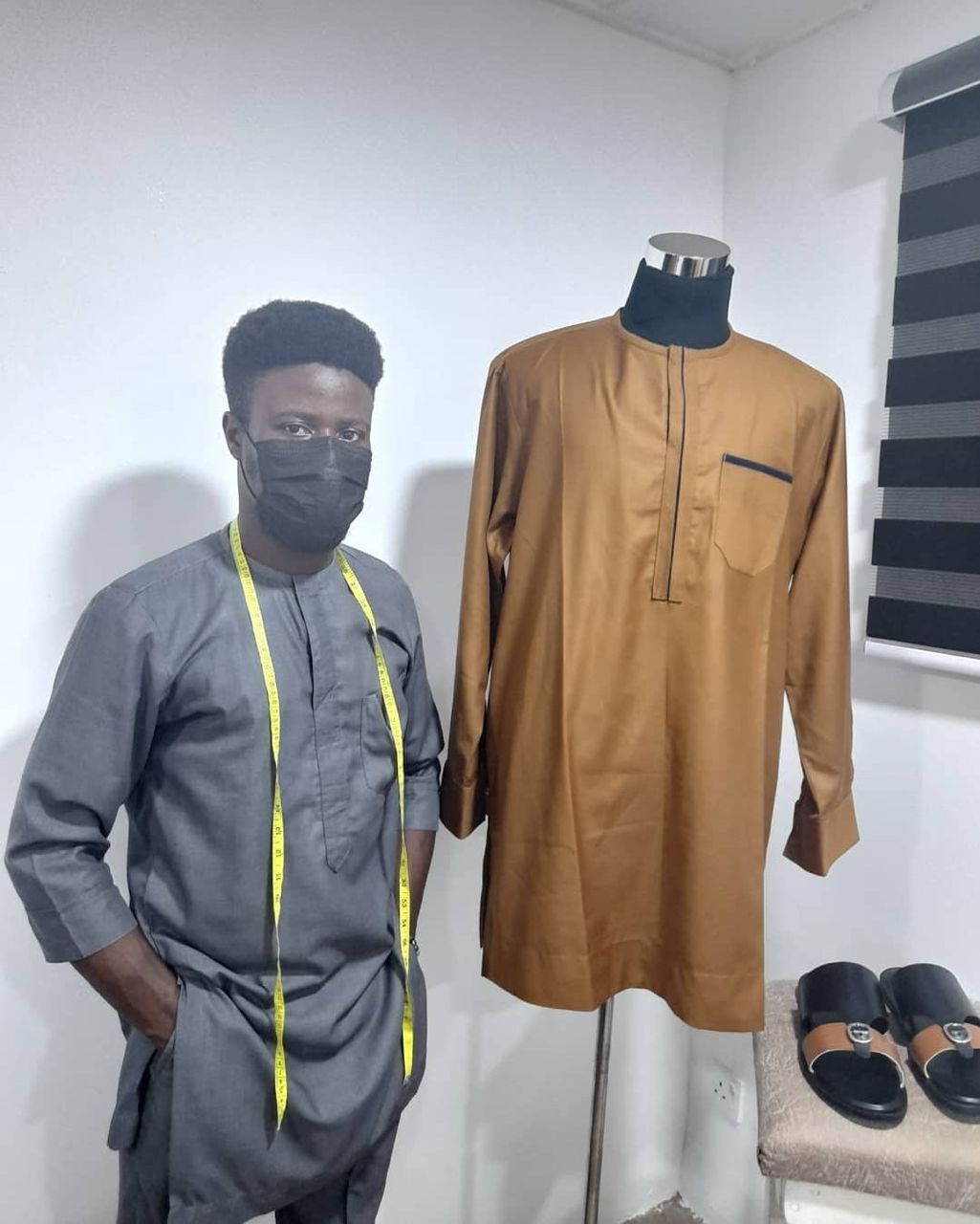
At its core, the success of Oretbespoke is built not only on the garments produced, but on the people behind them.
Taiwo Okanlawon
At its core, the success of Oretbespoke is built not only on the garments produced, but on the people behind them.
The brand’s commitment to training artisans, recycling materials and embedding local production means it is also creating jobs—both direct and indirect—in Nigeria’s creative economy.
Since launching in 2018, Oretbespoke has provided opportunities in tailoring, leatherwork, pattern-making, finishing and customer consults. For many participants, this represents a chance to work in a luxury fashion setting—a rare opportunity in a market dominated by mass production and imports.
The training ensures that the workforce is not just labour, but skilled craftspersons capable of bespoke work. This has multiplier effects: trainees develop transferable skills, enhancing their employability beyond the brand itself. The upstream sourcing of materials, quality control, customer consults, and bespoke delivery add layers of jobs often omitted in fast-fashion models.
In Nigeria’s economy—where youth unemployment remains high and creative industries often under-resourced—Oretbespoke’s employment model is meaningful. It suggests a pathway where luxury fashion is not an enclave of global elites, but a source of artisaned employment, skills and economic participation.
Challenges remain of course: ensuring scale, consistent wages, sustainable working conditions, and ongoing training. But the presence of a brand anchoring itself in local talent and production is encouraging. For the social landscape, the brand is more than style—it is opportunity.
Comments