


How health literacy and prevention build stronger, more resilient communities

 Quick Read
Health systems across the world continue to evolve, yet one truth consistently defines strong and thriving societies. Prevention is always more powerful than treatment. When communities understand their health, recognise early warning signs
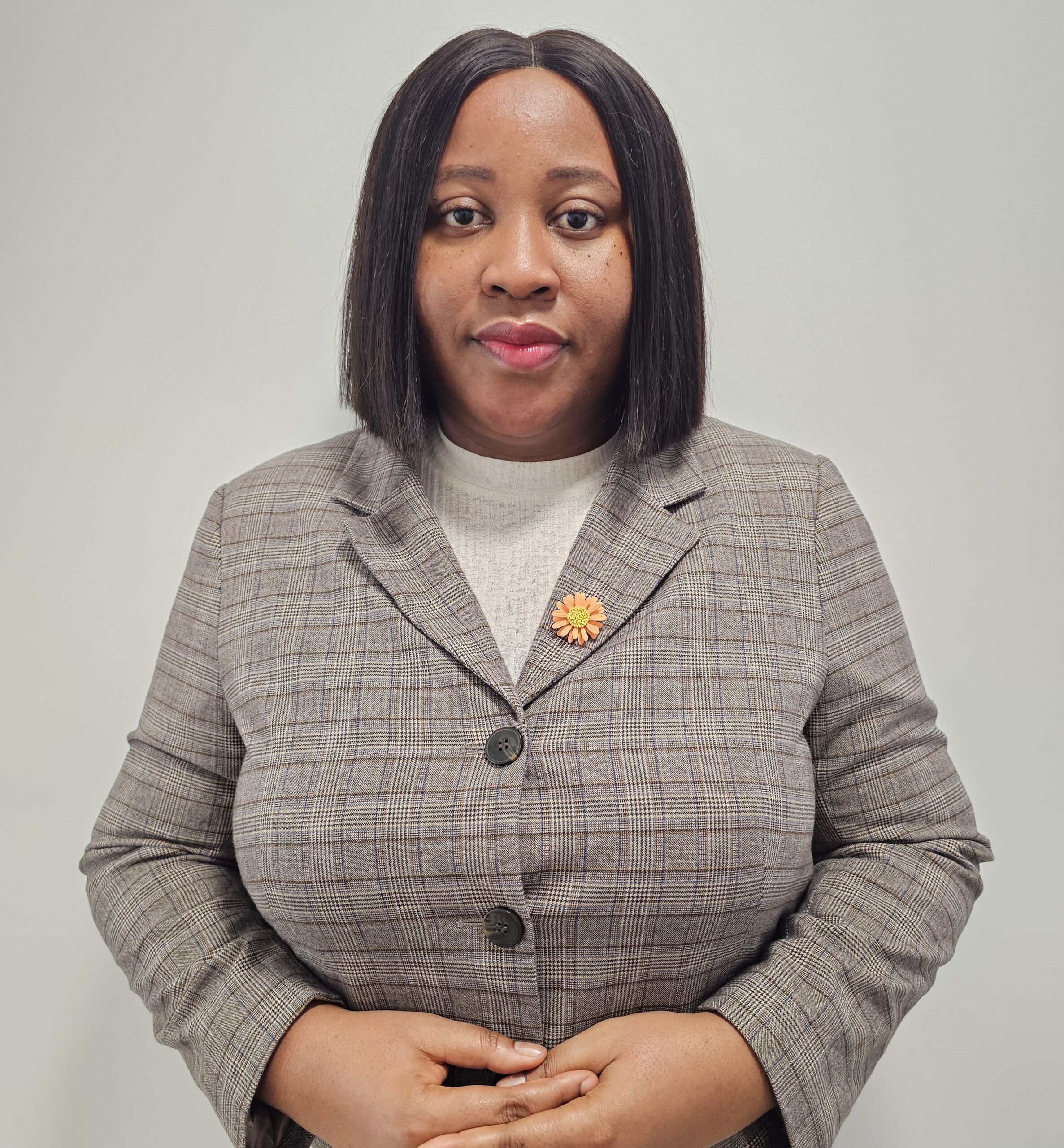
Dr Chinomso Adanma Uzoechi
Health systems across the world continue to evolve, yet one truth consistently defines strong and thriving societies. Prevention is always more powerful than treatment. When communities understand their health, recognise early warning signs, and have the knowledge to make informed choices, the foundations for long-term wellbeing are firmly in place. Health literacy is not only about information. It is about empowerment, agency, and resilience.
Throughout my professional journey in public health and community education, I have seen the clear difference that early understanding makes in people’s lives. Communities that are equipped with accurate information about nutrition, mental wellbeing, hygiene, and disease prevention experience improved health outcomes and greater confidence in their ability to protect themselves and their families. Knowledge becomes a shield, and awareness becomes a pathway to better life choices.
Preventive health is not a luxury reserved for advanced health systems. It is a necessity for every society, regardless of income level or location. Communities that embrace prevention find creative ways to educate their people, build support networks, and mobilise collective action. When prevention becomes part of everyday life, we move beyond responding to illness and begin building cultures where health, dignity, and informed decision making are prioritised from childhood to adulthood.
It is natural for people to seek medical support once illness appears, yet the strongest health systems are those that prepare individuals long before disease surfaces. Teaching young people about emotional wellbeing, guiding parents on preventive family health practices, and supporting workplaces with wellness initiatives help reduce avoidable illness and strengthen society from within. Prevention is not an additional policy. It is an investment in human potential.
When people understand their health, they are more likely to adopt healthy habits and less likely to delay action when issues arise. They ask questions, seek support early, and participate in health programmes with confidence. This culture of awareness reduces pressure on hospitals, protects vulnerable populations, and ensures that care reaches those who need it most. Communities thrive when individuals feel informed, supported, and capable of making informed decisions.
For prevention to succeed, health information must be accessible, relatable, and respectful of culture and lived experience. Messages should reach people where they are, whether in classrooms, workplaces, digital platforms, or community centres. Language matters. Trust matters.
Collaboration between health professionals, educators, religious and community leaders, and families creates a network of support that encourages healthy living rather than waiting for crisis.
The journey toward healthier communities begins long before illness. It begins with education that is continuous, compassionate, and tailored to real needs. By prioritising prevention and building health-literate societies, we create environments where people have the tools to protect themselves and contribute to collective wellbeing. A healthier future is not shaped by healthcare alone. It is shaped by knowledge, awareness, and a shared commitment to wellbeing.
Dr Chinomso Adanma Uzoechi is a public health educator and wellbeing advocate focused on preventive health, community empowerment, and lifelong wellness. She works to strengthen health literacy and promote inclusive wellbeing practices in diverse communities.
Comments