



Lagos urges strict compliance with new Tax Law at Summit

 Quick Read
Oluyomi said the theme of the summit, “Understanding the Impact of the New Tax Law on the Procurement of Goods, Works, and Services,” reflected the administration’s commitment to strengthening transparency, accountability, and efficiency in the procurement process.
The Lagos State Government has called on public officers, contractors, and service providers to ensure full compliance with the newly enacted Nigeria Tax Act (NTA) 2025, describing it as a major reform with significant implications for public procurement and fiscal management.
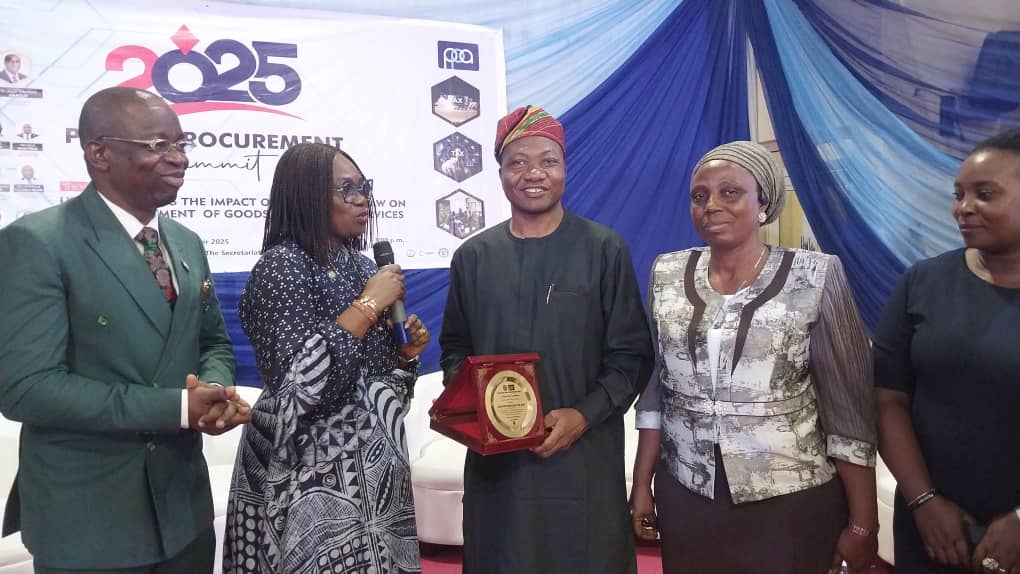
Speaking at the 2025 Lagos State Public Procurement Summit held on Wednesday at Adeyemi Bero Auditorium, Alausa, Ikeja, the Commissioner for Finance and Chairman, Governing Board of the Lagos State Public Procurement Agency (LSPPA), Mr. Abayomi Oluyomi, said the new tax framework would redefine how public institutions and vendors conduct business across the state.
Oluyomi said the theme of the summit, “Understanding the Impact of the New Tax Law on the Procurement of Goods, Works, and Services,” reflected the administration’s commitment to strengthening transparency, accountability, and efficiency in the procurement process.
He noted that the new tax regime required improved vendor due diligence, integration of digital systems for e-invoicing and transparent reporting, and closer collaboration between procurement and finance units in all Ministries, Departments, and Agencies (MDAs).
Oluyomi reaffirmed the Lagos State Government’s resolve to uphold reforms that align with global best practices, crediting Governor Babajide Sanwo-Olu’s leadership for positioning Lagos as Africa’s benchmark for transparent procurement, a recognition underscored by the state’s award as “Best in Procurement Practice in Africa” at the 2025 Africa Public Sector Conference and Awards in Cape Town.
He urged participants to embrace innovation and compliance as Lagos continues to drive reforms anchored on good governance and fiscal responsibility.
Speaking at the event, the Director-General of the LSPPA, Mr. Fatai Idowu Onafowote, reaffirmed government’s commitment to strengthening transparency, accountability, and efficiency in public procurement.
He said the summit provided a vital platform for stakeholders to examine the implications of the new tax law on procurement and fiscal management.
Onafowote explained that the NTA 2025 introduced mandatory digital tax compliance through e-invoicing, stricter vendor requirements, expanded VAT recovery, and a new 4% development levy that will impact procurement planning.
He said the discussions would help both public and private sector participants adapt effectively to these fiscal and regulatory changes.
He urged participants to engage actively and propose practical solutions to strengthen efficiency, compliance, innovation, and value-for-money in public contracting, assuring that the state government remains committed to sustaining best practices in governance and public financial management.
Chairman, House Committee on Procurement, Hon. Samuel Apata, pledged the Lagos State House of Assembly’s continued legislative support for policies that promote transparency, accountability, and efficiency in public procurement across the state.
Apata described the summit’s theme as timely, given the sweeping fiscal reforms introduced by the Nigeria Tax Act (NTA) 2025, reaffirming the Assembly’s readiness to collaborate with the Executive and development partners to strengthen Lagos’s procurement framework, ensuring alignment with international standards.
He urged participants to propose practical strategies to boost compliance, fiscal discipline, and value-for-money in public contracting.
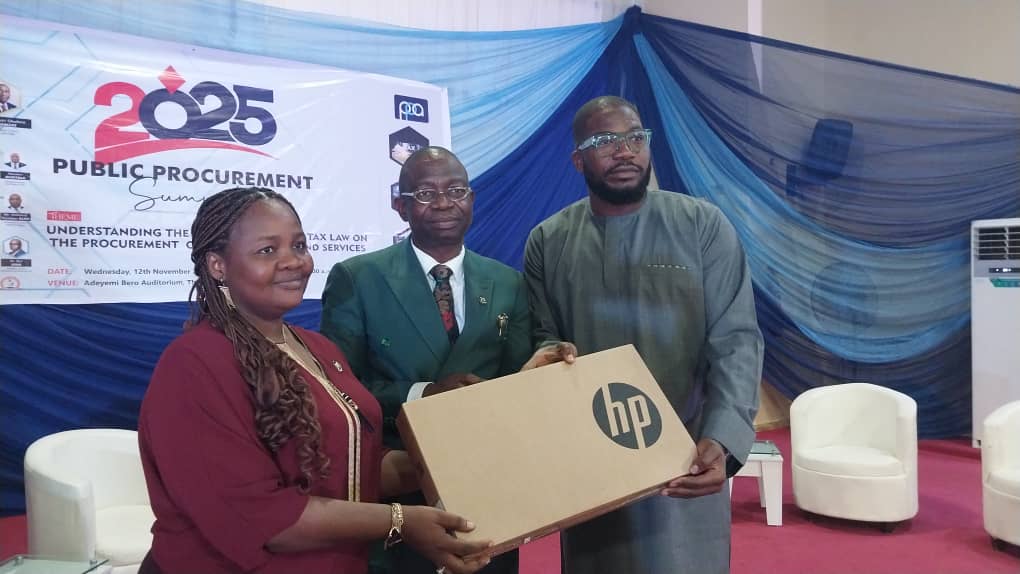
Also, the Forum of Directors-General of Public Procurement Agencies across Nigeria called for a balanced implementation of the new tax reform law to ensure it strengthens, rather than disrupts, public procurement processes nationwide.
Chairman of the Forum and Director-General, Kogi State Bureau of Public Procurement, Ehimoni Sunday Joshua, noted that the new tax law, set to take effect in January 2026, would significantly influence contract pricing, supplier compliance, and government budgeting.
Joshua said taxation plays a critical role in project costing and bid evaluation, stressing that any change in tax policy reverberates through the entire procurement chain.
He assured that the Forum would continue collaborating with federal and state authorities, the Federal Inland Revenue Service, and other stakeholders to ensure the reform promotes accountability, transparency, and efficiency without discouraging business participation.
Joshua expressed optimism that the summit’s outcomes would guide effective policy implementation across states and strengthen Nigeria’s procurement framework to support sustainable development and fiscal responsibility.
Comments