



FG, World Bank join forces to deliver 3.45 million electricity meters nationwide

 Quick Read
The initiative, backed by both FAAC funding and international support, marks a significant step toward modernising Nigeria’s power system and boosting investor confidence in the energy sector.
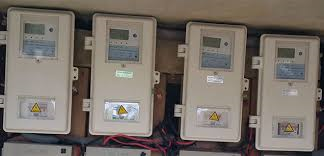
The Federal Government has gathered ₦700 billion to support the Presidential Metering Initiative, which aims to reduce Nigeria’s electricity metering gap.
This effort is part of a broader plan to make electricity billing fairer and more efficient across the country.
The new funding adds to the World Bank’s $500 million Distribution Sector Recovery Programme (DISREP), expected to provide 3.45 million new meters for Nigerians.
Speaking in Abuja during the signing of a 30-year concession agreement between Quaint Energy and the Ministry of Power for the 6MW Ikere Gorge and 2MW Omi-Kampe hydro projects in Oyo and Kogi States, Minister of Power, Adebayo Adelabu, said the government’s reforms have started yielding positive results.
According to him, the move toward full commercialisation of the power sector led to a 70% rise in revenue in 2024 and reduced government liabilities by ₦700 billion.
Adelabu also stated that Nigeria’s energy sector is becoming more attractive to investors because of better policies, improved market systems, and strong government support. He assured that the ministry is ready to work with credible investors to expand power access and grow the economy.
He also celebrated a major achievement in regional power integration, noting that the Nigerian power grid was successfully connected to the West African Power Pool (WAPP) across all 14 member countries for more than four hours a key step toward a regional electricity market.
Nigeria’s installed generation capacity has increased from 13GW to 14GW, reaching an all-time peak of 5,801.44MW and a daily record of 128,370.75MWh on March 4, 2025.
Adelabu added that the National Integrated Electricity Policy, now being developed, is expected to attract over $2 billion in new investments, expand electricity access, and strengthen the power sector.
The initiative, backed by both FAAC funding and international support, marks a significant step toward modernising Nigeria’s power system and boosting investor confidence in the energy sector.
Comments