


Lagos launches LPHP to revolutionise healthcare financing, expand coverage

 Quick Read
Sanwo-Olu highlighted that the LPHP stems from Lagos’ domestication of the National Health Insurance Authority Act of 2022, via an executive order in July 2024 making health insurance mandatory for all residents.
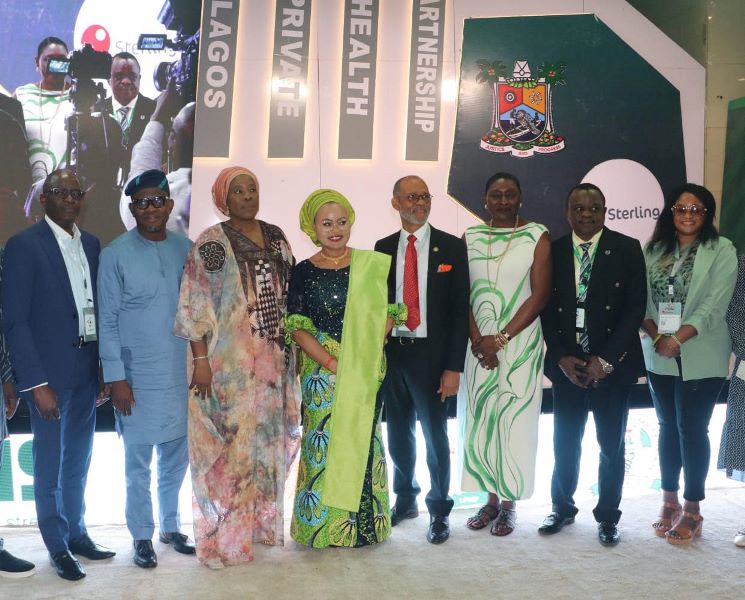
Lagos State on Tuesday unveiled a major milestone in its health sector transformation with the launch of the Lagos Private Health Partnership (LPHP), a strategic initiative aimed at restructuring health financing, expanding insurance coverage, and ensuring equitable access to quality healthcare through a unified public–private collaboration framework.
The launch, held at the Civic Centre, Victoria Island, brought together government officials, healthcare regulators, private insurers, development partners, and financial institutions, all affirming a shared commitment to sustainable health financing and universal health coverage.
Delivering the keynote address on behalf of Governor Babajide Sanwo-Olu, the Secretary to the State Government, Abimbola Salu-Hundeyin, described the LPHP as “a historic step towards building a resilient and future-driven health financing architecture capable of protecting households from catastrophic expenditure.”
She added that the initiative demonstrates Lagos’ determination to translate compulsory health insurance mandates into “effective, scalable, and economically viable implementation.”
Sanwo-Olu highlighted that the LPHP stems from Lagos’ domestication of the National Health Insurance Authority Act of 2022, via an executive order in July 2024 making health insurance mandatory for all residents.
He said the state’s multi-stakeholder Technical Working Group developed operational guidelines that now underpin the LPHP, aligning private sector participation with policy direction, risk pooling, and digital accountability.
He emphasised that the reform will bolster private health service delivery, which accounts for over 70 percent of healthcare encounters in Lagos, while ensuring insurers and providers operate within a framework balancing profitability, service standards, and equity.
“The state has adopted a population-based enrolment model for private organisation employees to streamline risk distribution and subsidised plan access,” he added.
State Commissioner for Health, Prof. Akin Abayomi, said the LPHP represents “a decisive break from a decade-long fragmented and inefficient private health insurance marketplace characterised by unhealthy price undercutting, unpopular enrollee access restrictions, and loss of trust among stakeholders.”
He stressed: “The LPHP was purposely engineered to restore fairness, transparency, quality, and sustainability through a collaborative procurement platform.”
Abayomi noted that despite Lagos’ economic strength and population exceeding 25 million, the state faces inadequate health financing, low insurance penetration, workforce attrition, and rising medical tourism.
He described LPHP as government’s strongest tool yet to reverse these trends, improve health outcomes, and rebuild patient confidence in domestic healthcare capacity.
He further explained that the LPHP relies on a robust digital marketplace where enrolment, provider selection, fund flow, claims management, monitoring, reporting, and evaluation occur seamlessly.
“Competition will shift from price-driven rivalry to value-driven outcomes, standardised plans, and quality assurance enforced by HEFAMAA,” he said.
Abayomi also outlined the creation of a state-managed risk equalisation and solidarity fund, requiring private insurers to contribute 13 percent of premiums to protect vulnerable populations, strengthen emergency response, and sustain universal health coverage.
He projected that Lagos could inject over ₦400 billion annually into the healthcare system if 20 million residents enrol at an average premium of ₦20,000 yearly.
Chairman of the Lagos State Health Management Agency, Dr. Adebayo Adedewe, described LPHP as a “credible solution to long-standing challenges” and commended the government’s stakeholder engagement and technical design process.
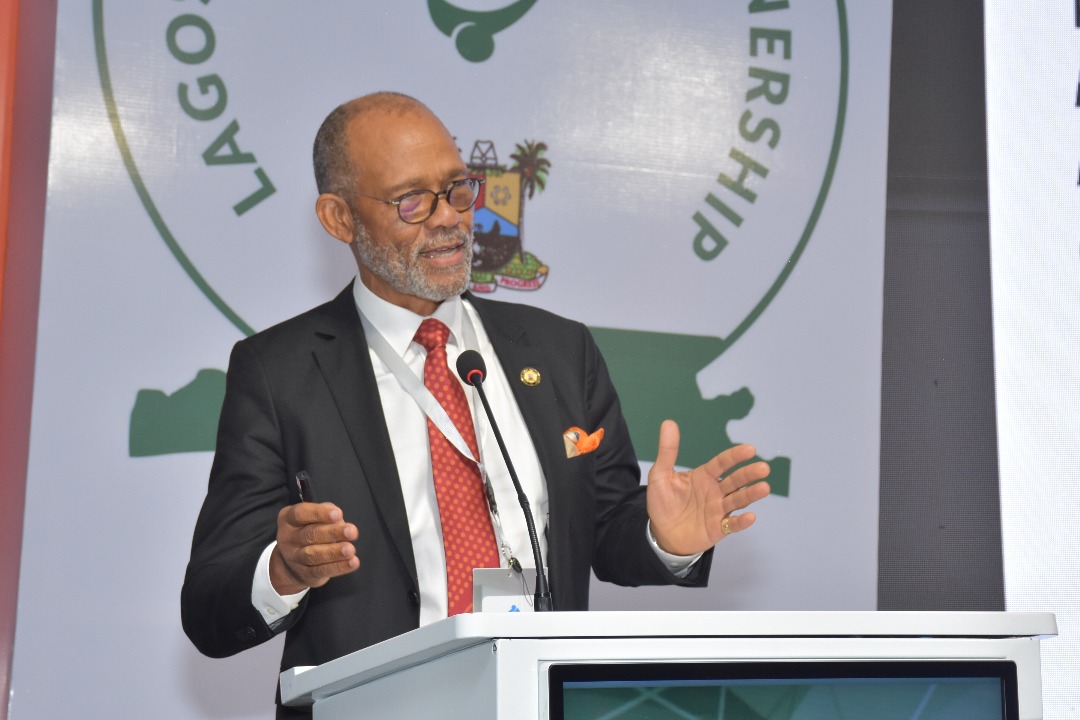
Dr. Jimi Arigbabuwo, National Adviser on Health Insurance Matters for the Healthcare Providers Association of Nigeria (HCPAN), called the launch “a turning point in the recognition and integration of private sector providers,” urging fair compensation to guarantee sustainability, patient satisfaction, and reduced outbound medical tourism.
Mr. Abubakar Suleiman, Managing Director/CEO of Sterling Bank Plc, said the bank’s support aligns with its HEART agenda (Health, Education, Agriculture, Renewable Energy, Transport).
He added: “Healthcare financing remains unsustainably expensive without structural reform. Sterling Bank will continue to provide financial and digital infrastructure to support the LPHP’s long-term success.”
Suleiman noted that Lagos has created a pioneering model for Africa, combining digital governance, transparency, payment system integration, and enrollee empowerment to drive value-based healthcare delivery.
Stakeholders agreed that the LPHP is among the most comprehensive health financing reforms in Nigeria and could serve as a scalable template for national adoption. They emphasised that success will require ongoing multi-sector commitment, public awareness, and rigorous policy enforcement.
With the launch, Lagos positions itself as Africa’s leading health financing reform hub and a potential destination for medical investment, health technology, and workforce retention. Next steps include HMO onboarding, pilot implementation, system review, and full statewide rollout.
Comments