


How climate change fuels communal clashes in Nigeria – Amb. Kayinajah Inyang

 Quick Read
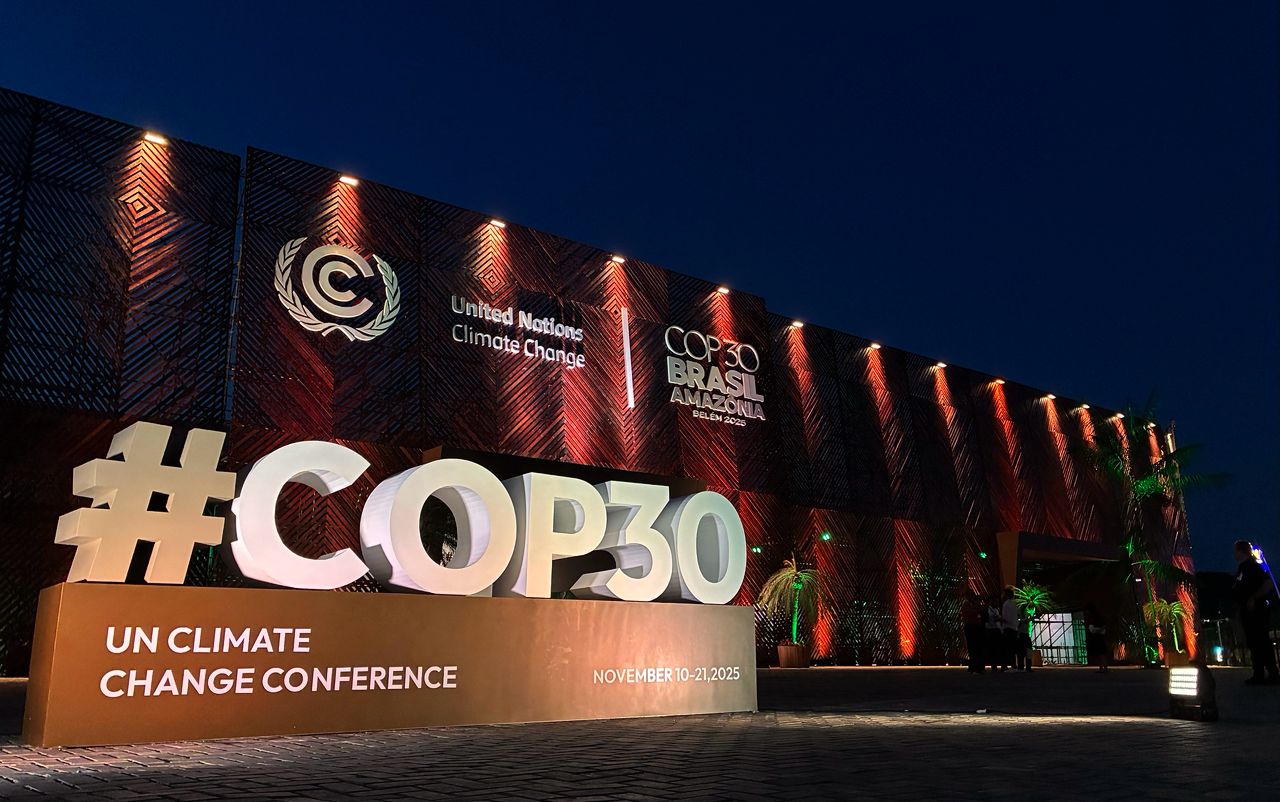
At the ongoing COP 30 climate conference in Brazil, Youth Climate Ambassador Kayinajah Inyang said at a high-level side event that climate change is escalating the communal clashes between farmers and herdsmen in Nigeria.
At the ongoing COP 30 climate conference in Brazil, Youth Climate Ambassador Kayinajah Inyang said at a high-level side event that climate change is escalating the communal clashes between farmers and herdsmen in Nigeria.
Earlier in the day, Mr. Inyang, who was recently recognized by Forbes as an “African Environmentalist to Watch,” released a statement condemning the recent surge in terrorist attacks in Nigeria and called for national unity against terrorism.
At the high-level side event, which focused on climate-induced migration and conflict, he attributed a significant part of the communal clashes between Nigerian communities and herdsmen to the effects of climate change.
In his analysis, Inyang detailed how escalating desertification and persistent drought across Nigeria’s northern regions and the broader Sahel have drastically depleted the availability of arable land and water resources. This severe environmental pressure compels primarily Fulani herdsmen to migrate significantly further south than their customary routes in search of adequate pasture and water for their livestock. This increased southward trajectory often encroaches upon the agricultural holdings of local farming communities in the Middle Belt, triggering intense competition for dwindling resources.
Inyang asserted that this resource competition forms the underlying cause that is being exploited and weaponized, which fuels the deadly farmer-herder conflicts that have resulted in the displacement of hundreds of thousands of individuals.
He emphasized that without immediate, large-scale climate adaptation and mitigation policies, these resource-driven conflicts are destined to intensify, further exacerbating Nigeria’s complex security landscape.
Separately, in a somber statement issued from the sidelines of COP 30, Inyang conveyed his deep distress regarding the recent spate of terrorist attacks in Nigeria.
“My heart aches over the abduction of the 25 schoolgirls in Kebbi State and the devastating attack on the church in Kwara State,” the Youth Climate Ambassador’s statement read. “I pray for the swift and safe return of every abducted child and extend my profound condolences to the families of the victims of the Kwara church attack and to all those who have suffered the loss of loved ones.”
He also honored the nation’s fallen service members: “I also mourn the lives of our brave soldiers who have fallen in the line of duty, and I pray for strength, courage, and protection for all our troops currently serving on the frontlines.”
In a call for national cohesion, the Youth Ambassador cautioned against narratives of division. “It is vital that we remember our shared identity: before we are Christians, Muslims, traditional worshippers, or atheists, we are, first and foremost, Nigerians,” he stressed. “We must not allow any foreign agenda or divisive narrative to succeed in turning us against one another. Christians are not under attack by Muslims, and Muslims are not under attack by Christians; Nigerians are under attack by terrorists.”
Inyang concluded with a message of optimism, stating his “strong faith that Mr President (Tinubu), the entire government, and the armed forces are doing everything in their power to protect every citizen and restore lasting peace to our beloved country.”
Kayinajah Inyang is recognized for his pivotal role in helping African environmental and climate tech firms secure vital funding, effectively directing financial resources toward high-impact environmental, climate, and sustainability solutions.
Mr. Inyang consistently represents the voice of African youth at major climate conferences, from COP 27 through COP 29.
At COP 30, he is spearheading efforts to drive African youth participation and is supporting the UNFCCC and the COP 30 Presidency in achieving their engagement goals.
Furthermore, he works closely with the entire UN system and is the host of the COP 30 Live Blog, providing delegates and the public with real-time updates, key insights, and exclusive behind-the-scenes glimpses to offer a comprehensive overview of the event’s discussions, decisions, and outcomes.
Comments