


Alert! Ogun primary health centres suffer staff, drug shortages

 Quick Read
Sodipo also appealed to both federal and state governments to prioritise health system strengthening by increasing and better targeting investments.
By Adejoke Adeleye
Civil Society in Malaria Control, Immunisation and Nutrition (ACOMIN) has raised alarm over the worsening condition of many Primary Healthcare Centres (PHCs) in Ogun State, warning that the facilities are struggling under severe staff shortages, empty drug shelves and deteriorating infrastructure.
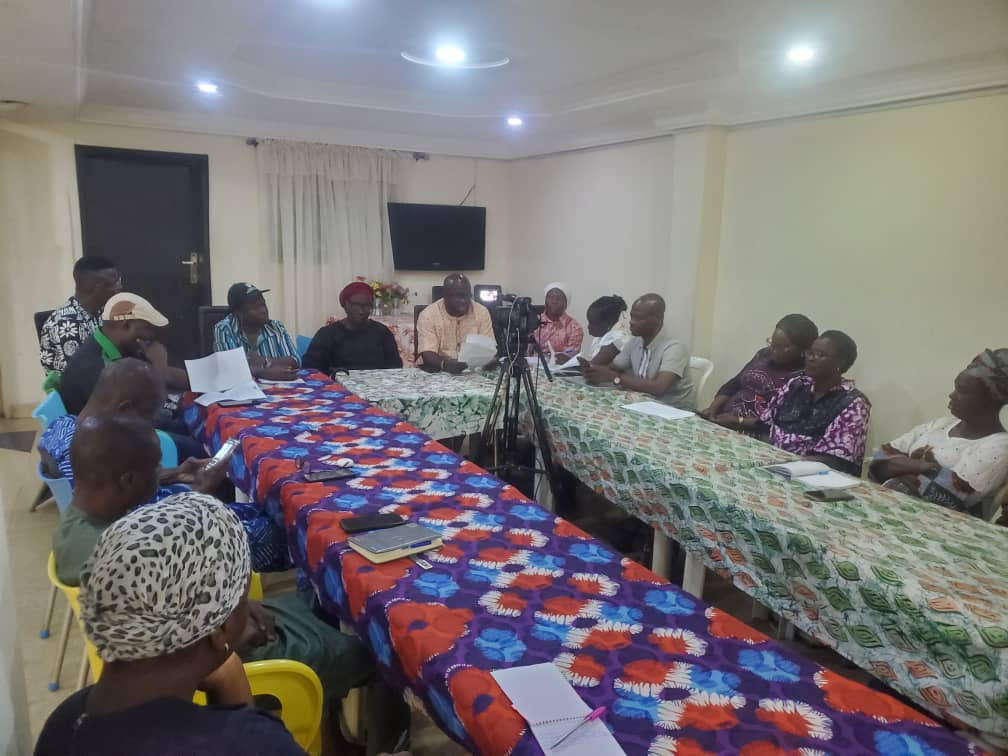
Speaking at a press briefing in Abeokuta, the organisation said the mounting challenges are undermining the delivery of essential services for HIV, tuberculosis and malaria, services on which millions of Nigerians depend.
The Deputy State Coordinator, Mr Olalekan Sodipo, who spoke on behalf of the State Coordinator, Mrs Olufunmilayo I. Olatunji, said the situation has real and painful consequences for communities. According to him, women often walk long distances to the nearest PHC only to find no nurse on duty, while others are turned back due to lack of medicines or test kits, leaving many residents losing trust in their local health system.
Sodipo explained that the shortage of health workers remains one of the biggest obstacles to quality service delivery. Many PHCs, he said, operate with just one or two staff members who are forced to handle both day and night shifts. This, he noted, leads to exhaustion, burnout, poor attitudes toward patients and inconsistent services. He added that the absence of security personnel at many centres leaves them vulnerable to theft and vandalism.
He further lamented frequent stock-outs of essential medicines and diagnostic commodities, saying several facilities have reported shortages of HIV test kits, antimalarial drugs and rapid diagnostic tools during recent quarters. These gaps, he warned, push patients to seek help elsewhere or abandon treatment entirely.
On infrastructure, Sodipo described many PHCs as being in worrying states of decay. Ageing buildings with cracked walls, leaking roofs and poor ventilation, he said, pose serious risks to both health workers and patients.
Highlighting ACOMIN’s interventions, Sodipo said the organisation, through Global Fund support, has implemented the Community-Led Monitoring (CLM) initiative under GC7. The initiative enables communities to identify service gaps, advocate for solutions and hold responsible authorities accountable, thereby strengthening local health systems.
He noted that in Ogun State, CLM interventions have led to the provision of chairs, adult weighing scales and sphygmomanometers for PHCs in Odeda; the repair of a water facility at Kajola in Obafemi Owode; and the fixing of a leaking roof at Odogbolu, among other improvements.
ACOMIN called on government at all levels, private partners, influential individuals, traditional rulers and religious leaders to work together to move PHCs from a state of persistent shortages to sustainable, long-term solutions. The organisation urged decisive and collaborative action to reinforce community health structures across the country.
Sodipo also appealed to both federal and state governments to prioritise health system strengthening by increasing and better targeting investments. This, he said, should include recruiting and retaining qualified health workers, ensuring a steady supply of HIV, TB and malaria commodities, and renovating and expanding dilapidated facilities.
Comments