



Why the Guinea-Bissau ‘coup’ makes no sense – Goodluck Jonathan

 Quick Read
Jonathan also revisited his experience leading ECOWAS during the 2010 Côte d’Ivoire presidential crisis, when then-President Laurent Gbagbo refused to hand over power despite losing to Alassane Ouattara in a run-off election.
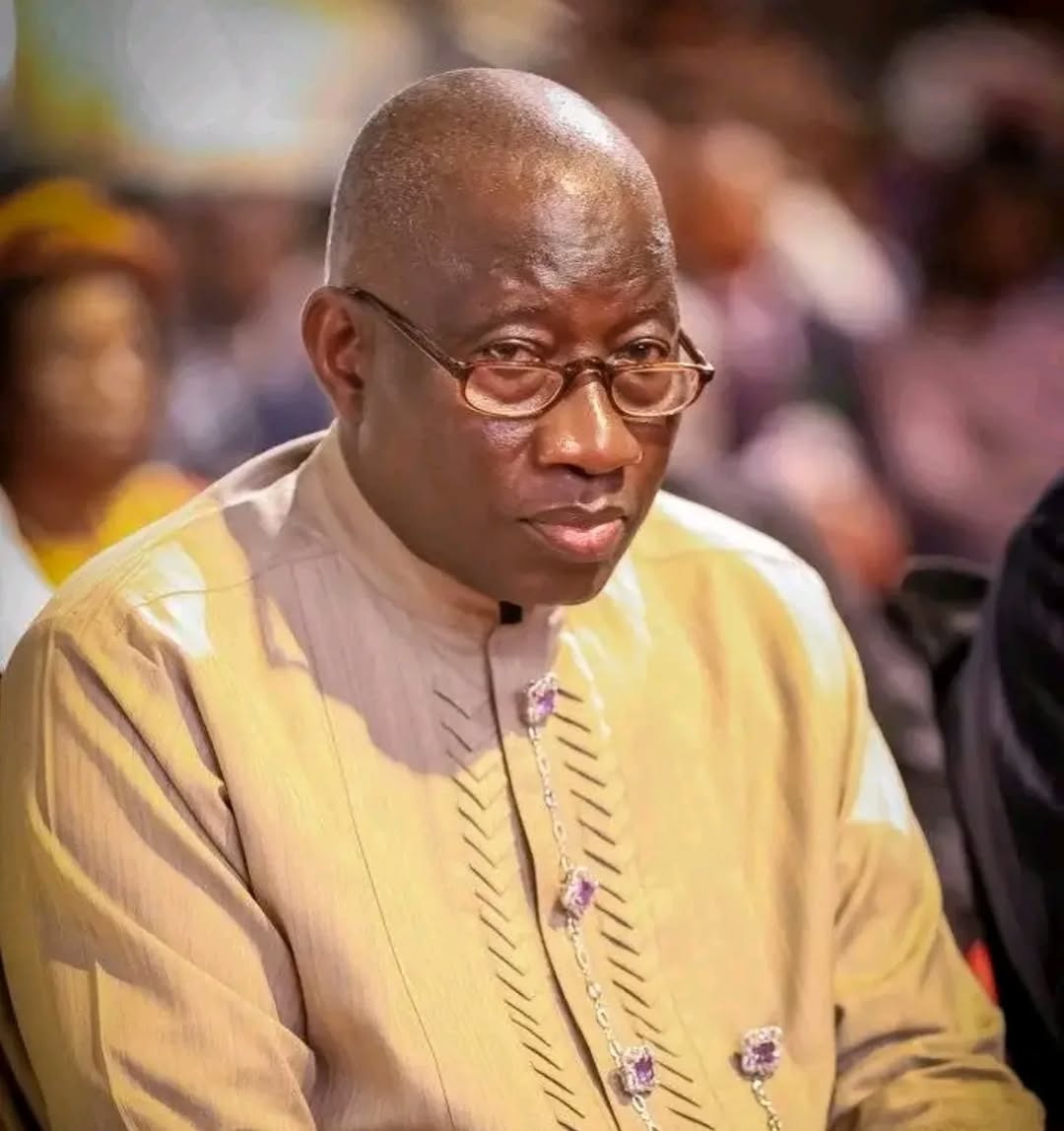
Former President Goodluck Jonathan has dismissed claims that a coup took place in Guinea-Bissau, describing the incident as something closer to a “ceremonial coup” rather than an actual military takeover.
Speaking in an interview with Symfoni, posted on YouTube on Friday, Jonathan said he felt compelled to address Nigerians and the international community to clarify the situation and express gratitude for the outpouring of concern during the tense period.
“You know, since I left office, I’ve always been scared of talking to the media,” he said. “But in this particular case, I decided to speak… first and foremost, to thank Nigerians for the show of empathy, the encouragement.”
Jonathan explained that the crisis began unusually, with Guinea-Bissau’s President Umaro Sissoco Embaló being the first to announce that he had been arrested—even before the military made any declaration.
“I wouldn’t call it a coup. It was not a coup,” he said. “Maybe it was a ceremonial coup. Because for two things: It is the president, President Embaló, who announced the coup. Later, the military men came up to address the world that they were in charge of everywhere.”
He described the scenario as “strange,” noting that Embaló was using his phone throughout, granting interviews to global media and announcing his supposed arrest.
“I’m a Nigerian close to 70, and I know how they keep heads of state when a coup takes place,” Jonathan said. “A sitting president doesn’t get to be addressing press conferences during a coup. Who is fooling whom?”
Jonathan drew comparisons with coups he witnessed in West Africa, including during his time as a mediator in Mali, where military takeovers followed a very different pattern.
He criticised the irregularities surrounding the Guinea-Bissau situation, questioning the motives and the actors behind the unfolding drama.
Jonathan urged ECOWAS and the African Union (AU) to push for transparency and the timely announcement of election results in Guinea-Bissau. He insisted that the military should not be allowed to interfere with democratic processes.
“They have the results because AU and ECOWAS officials were in all the regions when the votes were collated,” he said. “They must announce and let the world know who won that election.”
Jonathan also revisited his experience leading ECOWAS during the 2010 Côte d’Ivoire presidential crisis, when then-President Laurent Gbagbo refused to hand over power despite losing to Alassane Ouattara in a run-off election.
He recalled how multiple candidates backed Ouattara in the second round, giving him a majority victory, yet Gbagbo insisted on staying in office.
“All observers said Ouattara won the election,” Jonathan said. “And we in ECOWAS said, ‘You are our colleague, but you have to go.’ I stood my ground… and Ouattara was sworn in.”
Comments