


Unbowed: Film about Gambian journalist who stakes his life for others premieres in Lagos

 Quick Read
The movie explores themes of freedom, human rights, cross-border migration, immigration, and refugee support services. This is significant, given the fact that it premiered at Freedom Park, a memorial and leisure park on Lagos Island that was formerly Her Majesty’s Broad Street Prison.
By Nehru Odeh
“The worth of a human being lies in the ability to extend oneself, to go outside oneself, to exist in and for other people.” – Milan Kundera
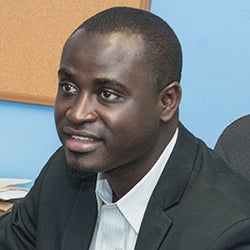
Omar Bah’s story sounds naturally like a movie script. But this script is one he acted out himself. A journalist and activist, he fled The Gambia to seek refuge in the United States at 26 for fear of being killed by then dictator President Yahya Jammeh on account of his advocacy and activism. While in the United States, Omar not only turned his life around, he later became an oak tree, providing succour and support for refugees.
That indeed is what “Unbowed,” the thrilling movie about this irrepressible young man, this altruistic advocate, Jammeh’s nemesis, who braved all odds to find not only a place in the sun but also helped others find theirs, is all about.
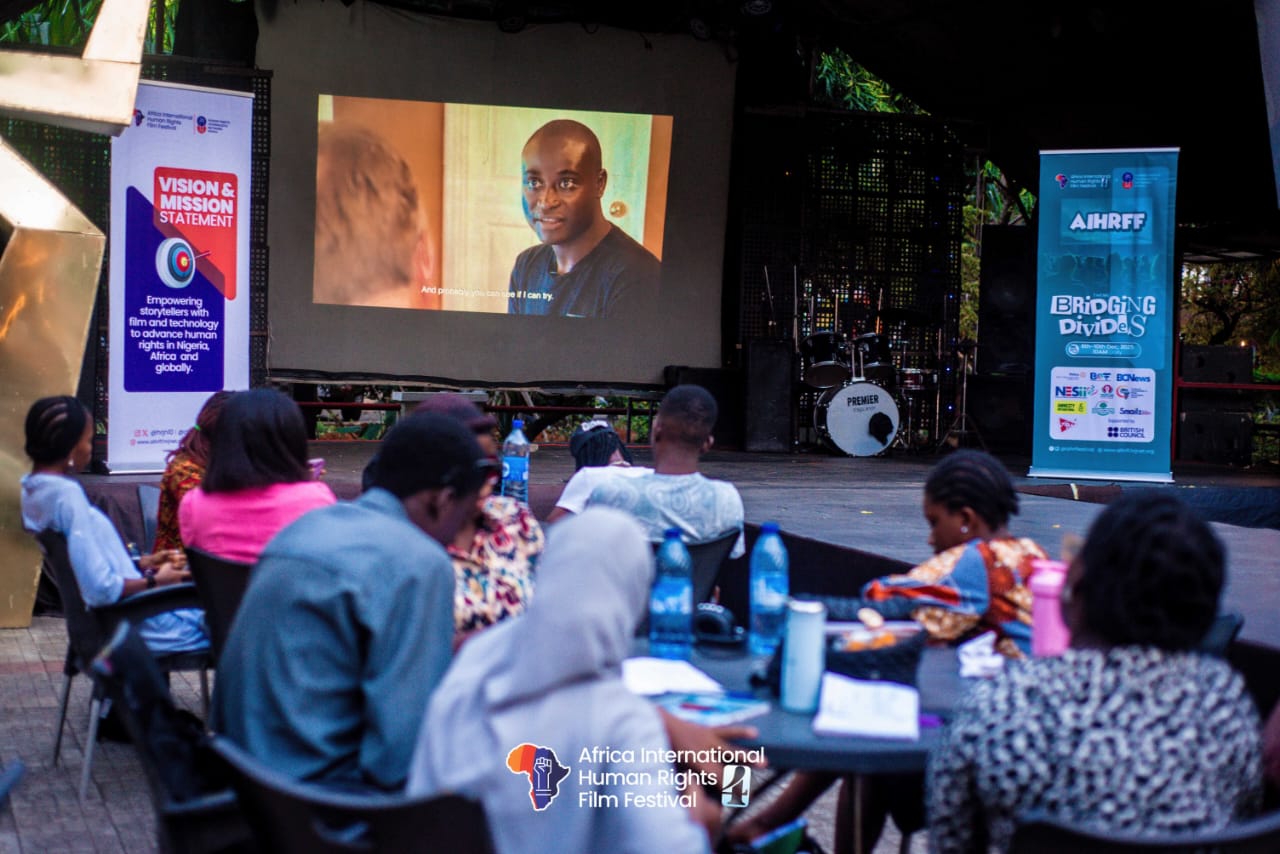
“Unbowed,” produced and directed by Mae Gammino and David H. Wells, premiered at the African International Human Rights Festival at Freedom Park, Lagos, on 9 December 2025. The theme of the three-day hybrid film festival, which held between 8 and 10 December and featured films and panel sessions on human rights in Africa, was “Bridging Divides.”
And of course, not only has Omar remained unbowed despite all he went through, as the title of the movie suggests, his life has also been about bridging divides. As a young journalist in The Gambia, he helped bridge the divide between the rulers and the ruled, the rich and the poor, and also in America, where he has helped bridge the gulf between migrants and citizens. Coincidentally, that is indeed what the movie is all about.
But sadly, the refugee issues he has helped—and still continues to help—solve in contemporary America remain a recurring decimal across the globe. The issues seem to have resurfaced again in the United States following President Donald Trump’s strict immigration policies.
Still undeterred, Omar and his brainchild, the Refugee Dream Center (RDC), continue to run their programmes and services, carrying on in the face of significant challenges imposed by external forces.
That is why the movie speaks not just to contemporary America but also to current happenings across the globe. Omar’s adventurous life notwithstanding, the refugee issues he tackles through the RDC explain why the movie, “Unbowed,” can never be wished away and will indeed remain relevant as long as people continue to migrate from one country to another, as long as they continue to seek better lives on other shores, whether forced or voluntary.
Shot as a narrative told by Omar himself, the 50-minute film starts with how, at 21, he walked into a newspaper office in Banjul, met with the editor, and offered to report and expose the corrupt practices going on in the country but left unreported.
The editor gladly accepted Omar’s proposal. But that was the beginning of his troubles. Those troubles eventually led to his relocation to America, as Jammeh turned out to be a thorn in his flesh.
However, a very significant aspect of the movie, a kind of cliffhanger, is when he narrates how he narrowly escaped being caught and arrested while fleeing the country after a former classmate identified him but allowed him to escape. If he had been caught, that could have meant his death.
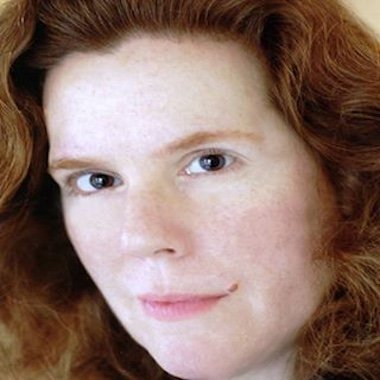
Still, the remarkable thing about this Gambian-born journalist, whose accent remains unmistakably Gambian despite the number of years he has spent in the United States, is that he did not just relocate to start a new life; he also furthered his education.
He acquired several undergraduate and postgraduate degrees in various fields and earned a doctorate in organisational leadership and psychology, with an emphasis in neuropsychology, from William James College in 2020, while still offering support services to refugees from across the globe in the United States.
The movie explores themes of freedom, human rights, cross-border migration, immigration, and refugee support services. This is significant, given the fact that it premiered at Freedom Park, a memorial and leisure park on Lagos Island that was formerly Her Majesty’s Broad Street Prison.
Many notable Nigerian nationalists were once prisoners there, including Herbert Macaulay, Anthony Enahoro, Obafemi Awolowo, and Michael Imoudu. The fact that the festival ended on December 10, a day set aside by the United Nations as Human Rights Day, was also symbolic.
The premiere itself was unforgettable. The scenic view that evening at Freedom Park, as the audience—mostly youths and university undergraduates—sat at round tables in an open space, sipping beverages and chatting with one another, gave the atmosphere a feeling of freedom, free-spiritedness, and hope.
The movie details the humanitarian life of Omar, founder and Executive Director of the Refugee Dream Center, who at 21 decided to fight against injustice, corruption, and brutality prevalent in The Gambia during Jammeh’s regime. He eventually relocated to the United States when he realised he was no longer safe in his home country.
When Jammeh was deposed years later, Omar was finally able to end his exile and gain the long-awaited closure to a traumatic chapter of his life. As he prepared for his first return journey to The Gambia since being exiled over a decade earlier, the film revealed the remarkable person Omar had become in America.
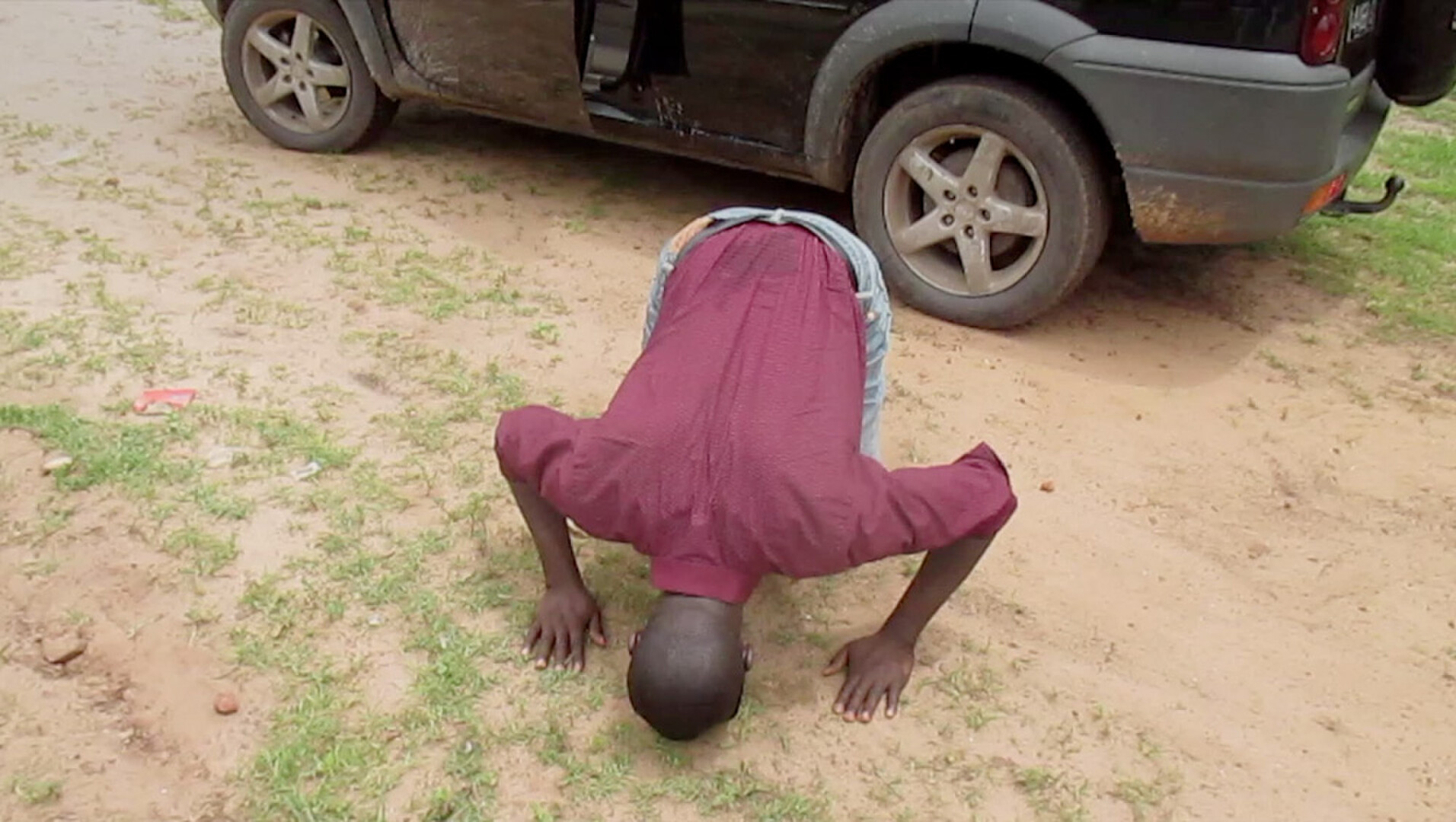
The movie opens on a humorous note, with Omar speaking on World Refugee Day about how he felt when he first heard the words “Rhode Island.” This speaks volumes about how he turned what was supposed to be a tragic aspect of his life into comedy and fun. It also explains why the movie is not just a statement of determination and grit, but also of victory—of turning sorrow into laughter. Indeed, as Milan Kundera says, “To laugh is to live profoundly.”
“Most of the refugees here have never heard of or known ‘Rhode Island’ until the day before they came. The same thing happened to me the day before I came. I was asking where I was going to in America, and they said Providence. Providence sounded like a church organisation. But I was happy because I thought churches help people,” Omar says.
Providence? That indeed suggests a supernatural force having a hand in Omar’s affairs and leading him to his promised land. But what led to the relocation of a 26-year-old to the United States, thus beginning a remarkable sojourn?
“I grew up in rural Gambia. The reason I became a journalist was because of my background and my childhood. I went to high school in the city and saw people in power, especially in government. We had a warlord who had just taken over the government and was living in so much luxury, driving past people begging in the streets.
“I couldn’t live in a country and think that was normal. My work as a journalist was borne out of that. I just wanted to be an advocate and activist, to speak against injustice, to speak out against corruption and brutality,” Omar says in the movie.
That burning desire to speak out against bad governance led to Omar’s arrests and torture on several occasions and to Jammeh’s eventual plot to eliminate him. “I was arrested and tortured several times, just like other journalists who were either killed or went missing. I got a tip-off that there was an order from the president to kill me. I had to leave the country or be killed,” he noted.
Omar’s story reads like a grass-to-grace tale and a triumph of the human spirit over adversity. Though life in the United States was not easy initially, he surmounted his challenges, furthered his education, and founded the Refugee Dream Center, through which he has continued to provide support services to refugees, even as he now faces challenges due to Trump’s tough immigration policies.
The movie is indeed a must-watch. It tells a compelling story of a young man who surmounted enormous challenges in his home country, nearly lost his life because of his love for the less privileged, relocated to the United States, and continues to provide succour and support to refugees through the Refugee Dream Center.
Despite the daunting challenges he still faces, he remains unbowed, just as the title of the movie suggests.
Comments