


Malami accuses EFCC chairman of bias, demands recusal from probe

 Quick Read
Malami further warned that allowing the investigation to continue in its current form could undermine public confidence in the anti-corruption agency and raise serious concerns about the politicisation of law enforcement institutions
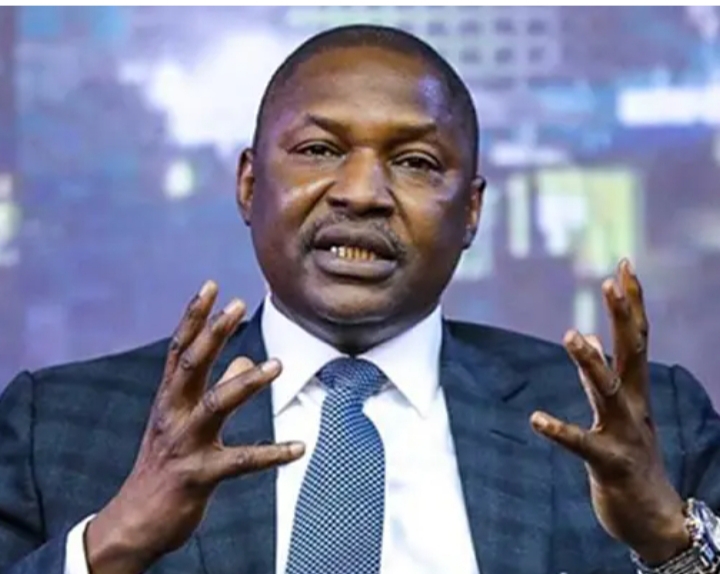
Former Attorney-General of the Federation and Minister of Justice, Abubakar Malami, SAN, has strongly criticised the Chairman of the Economic and Financial Crimes Commission (EFCC), Ola Olukayode, and asked him to withdraw from the ongoing investigation against him.
Malami accused the EFCC boss of bias, personal vendetta, and political persecution, claiming that the probe is connected to his recent decision to defect to the African Democratic Congress (ADC).
In a statement issued on Monday through his media aide, Muhammad Doka, the former justice minister alleged that the EFCC has acted outside the law by subjecting him to unlawful detention, trial by media, and serious violations of due process.
According to Malami, the investigation is not motivated by genuine efforts to fight corruption but by what he described as deep-seated personal hostility from the current EFCC leadership, stemming from past disagreements and unresolved grievances.
He insisted that the EFCC chairman’s continued involvement in the case has compromised the credibility and fairness of the investigation, stressing that no suspect can receive justice under such circumstances.
“I have already been clearly pre-judged,” Malami said, adding that he cannot expect a fair, impartial, or lawful investigation while the EFCC chairman remains in charge of the probe.
Malami further warned that allowing the investigation to continue in its current form could undermine public confidence in the anti-corruption agency and raise serious concerns about the politicisation of law enforcement institutions.
He called on the EFCC to respect the rule of law and ensure that its actions are guided strictly by legal principles, fairness, and transparency rather than political interests or personal grudges.
Comments