


Ìrìnàjòedá: How artists conveyed emotions through art in Ibadan

 Quick Read
“May Ìrìnàjòedá inspire reflection, connection and renewed understanding of our shared humanity. Once again, I welcome everyone and wish you a truly enriching exhibition experience,” Otuka concluded.
By Nehru Odeh
The Ìrìnàjòedá Art Exhibition, which held between 19 and 21 December at the Omoọba Yemisi Adedoyin Shyllon Exhibition Hall, National Museum of Unity, Aleshinloye, Ibadan, was truly one of a kind.
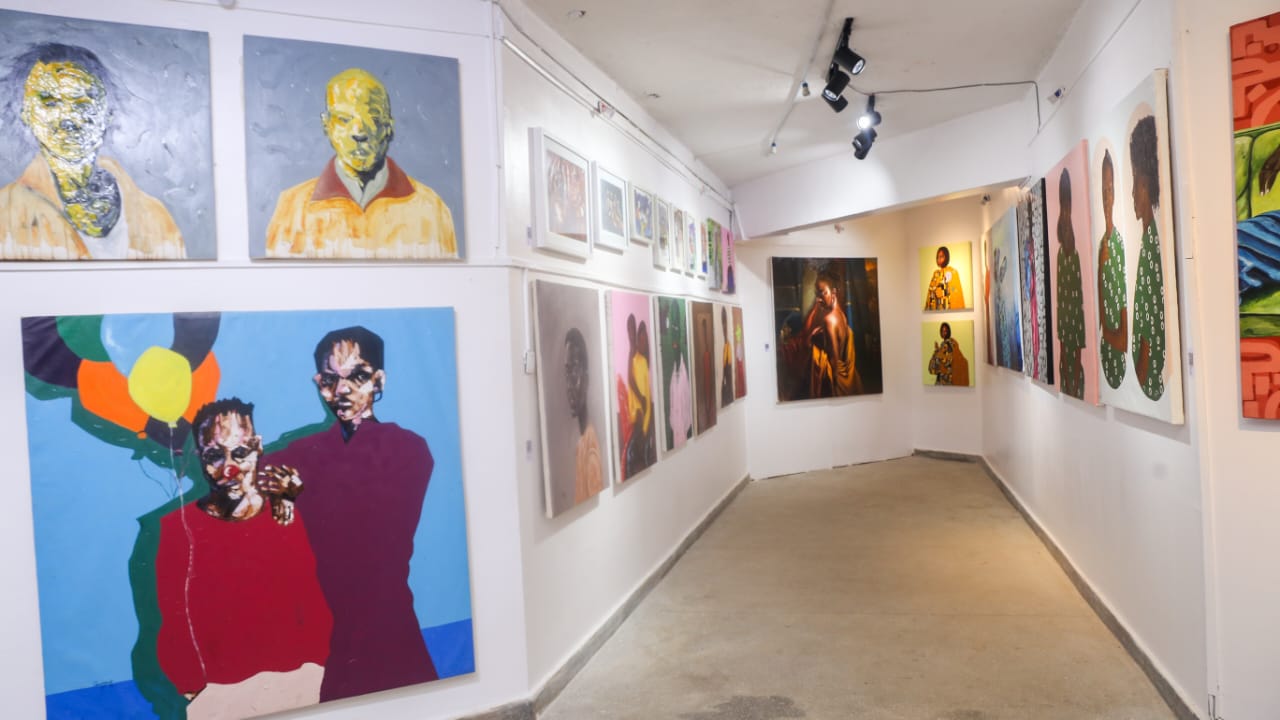
The three-day event went beyond a conventional art exhibition. Rather than merely showcasing paintings, the artists used their works to convey emotions and communicate deeply with art lovers.
The exhibition, themed Ìrìnàjòedá, meaning the journey of human life in Yoruba, featured emotionally charged paintings by 22 artists. It was organised by Constance and Sons Gallery in collaboration with the National Museum of Unity, Aleshinloye, Ibadan.
One striking feature of the exhibition was how the artists narrated their personal stories and life experiences through their works, prompting guests and art enthusiasts to reflect on their own journeys.
It was an emotional and thought-provoking experience, as guests moved around the gallery, encountering works that conveyed pain, pleasure, joy, poverty, surprise and other emotions that resonated deeply with them.
“I haven’t seen this kind of exhibition before. In fact, I’m thrilled. Each of the paintings speaks to my soul,” enthused Anuoluwapo as she, alongside her friend, took photographs with some of the artworks.
In her welcome address, Mrs Oriyomi Pamela Otuka, Curator, National Museum of Unity and Zonal Head, South-West Museums, said the exhibition explored the journey of humanity, its origins, its present realities and its future, which she described as “in the womb of time”.
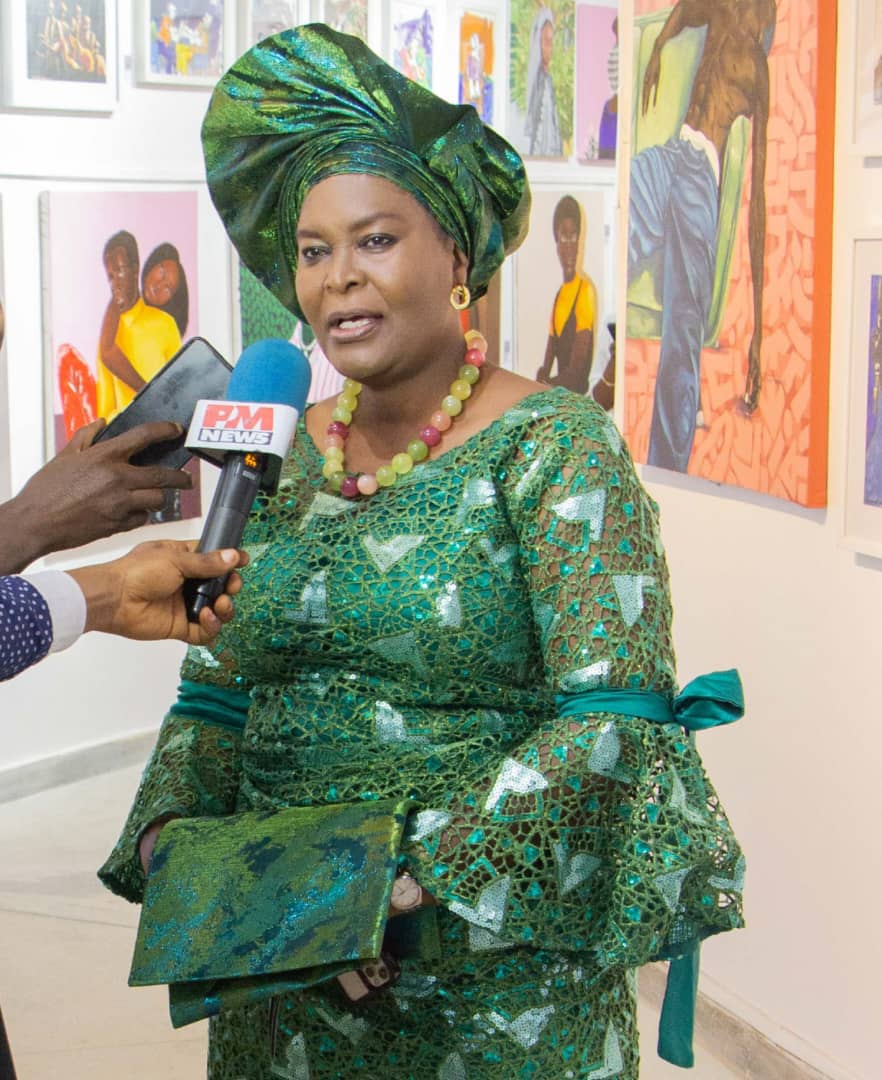
“Today, we gather not just to view artworks, but to step into a shared story, one that speaks of our origins, identities, struggles and endless capacity for transformation. This exhibition is a powerful reminder that art is more than visual expression; it is a language through which humanity reflects on itself.
“Ìrìnàjòedá invites us on a journey that asks important questions: Where do we come from? Who are we? And what do we become? Through the creative voices presented here, we encounter reflections of ancestry, memory, resilience and spirituality. These works mirror our collective experiences while honouring individual narratives that shape the human condition.”
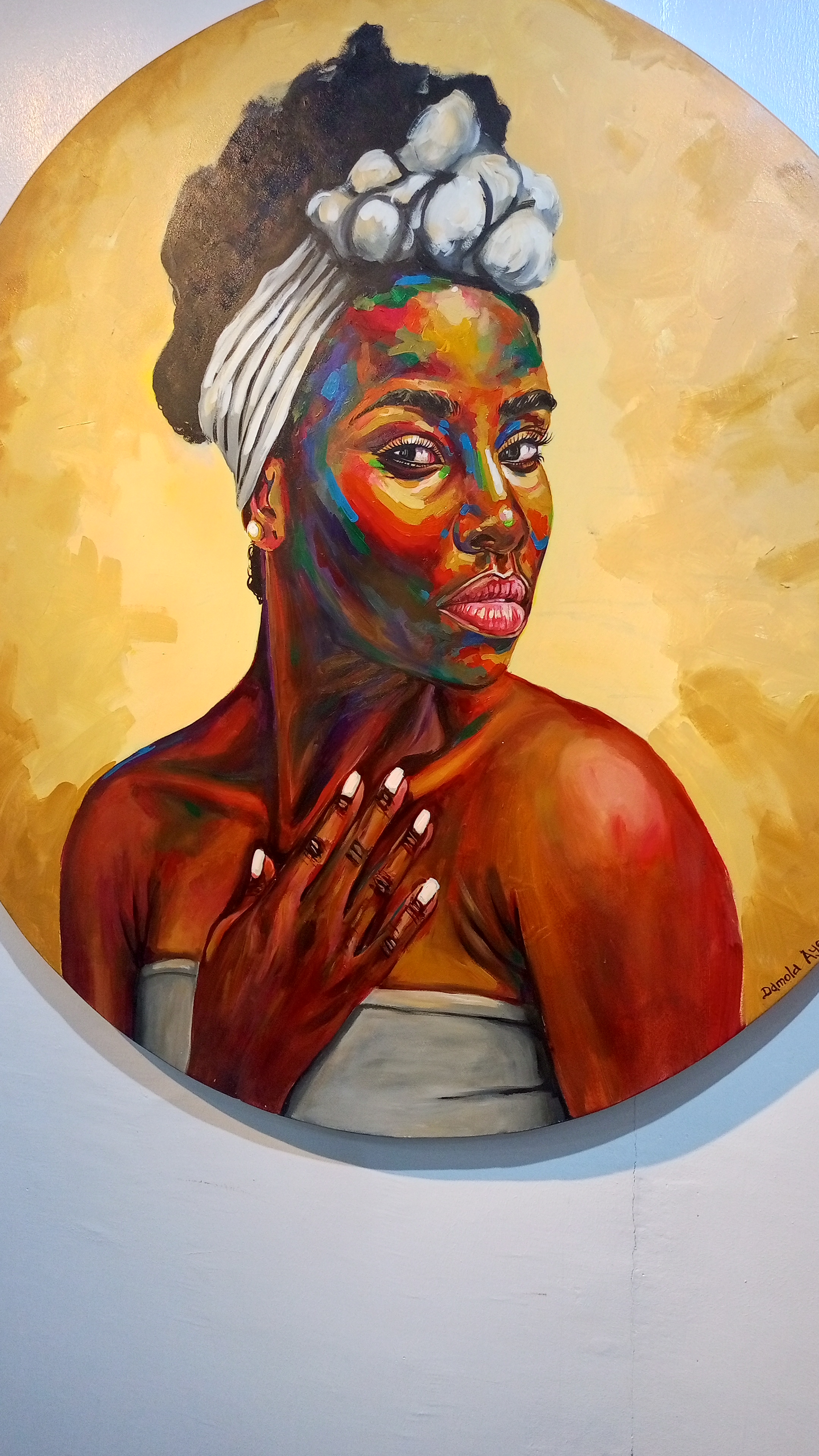
Otuka noted that the artists had poured their experiences into their works, turning personal stories into visual narratives.
“They are turning their experiences into art. Art is expression. Art is emotion. Art is story. What you will see here are different stories told in different forms, based on how each artist feels and expresses themselves.
“The exhibition is an archive of events that have shaped their lives, now placed on canvas for you to experience,” she said.
Explaining how the idea for the exhibition was conceived, Otuka said it followed the success of an earlier exhibition themed Àìmàsìkò.
“We wanted to do something that resonates with the present and reflects what is happening in society. Many people have stories to tell, and when the idea was presented to me, I felt it was time to host such an exhibition here,” she explained.
Asked about the nature of the stories depicted, Otuka said: “They are not the same. Just as our faces and palm lines differ, so do our pains and joys. You will see paintings of joy, pain, surprise, poverty and prosperity; works that tell diverse stories of humanity.”
Mr Dunmade Ayegbayo, Founder and CEO of Constance and Sons Gallery and the brain behind the exhibition, said the idea for Ìrìnàjòedá stemmed from personal reflection.
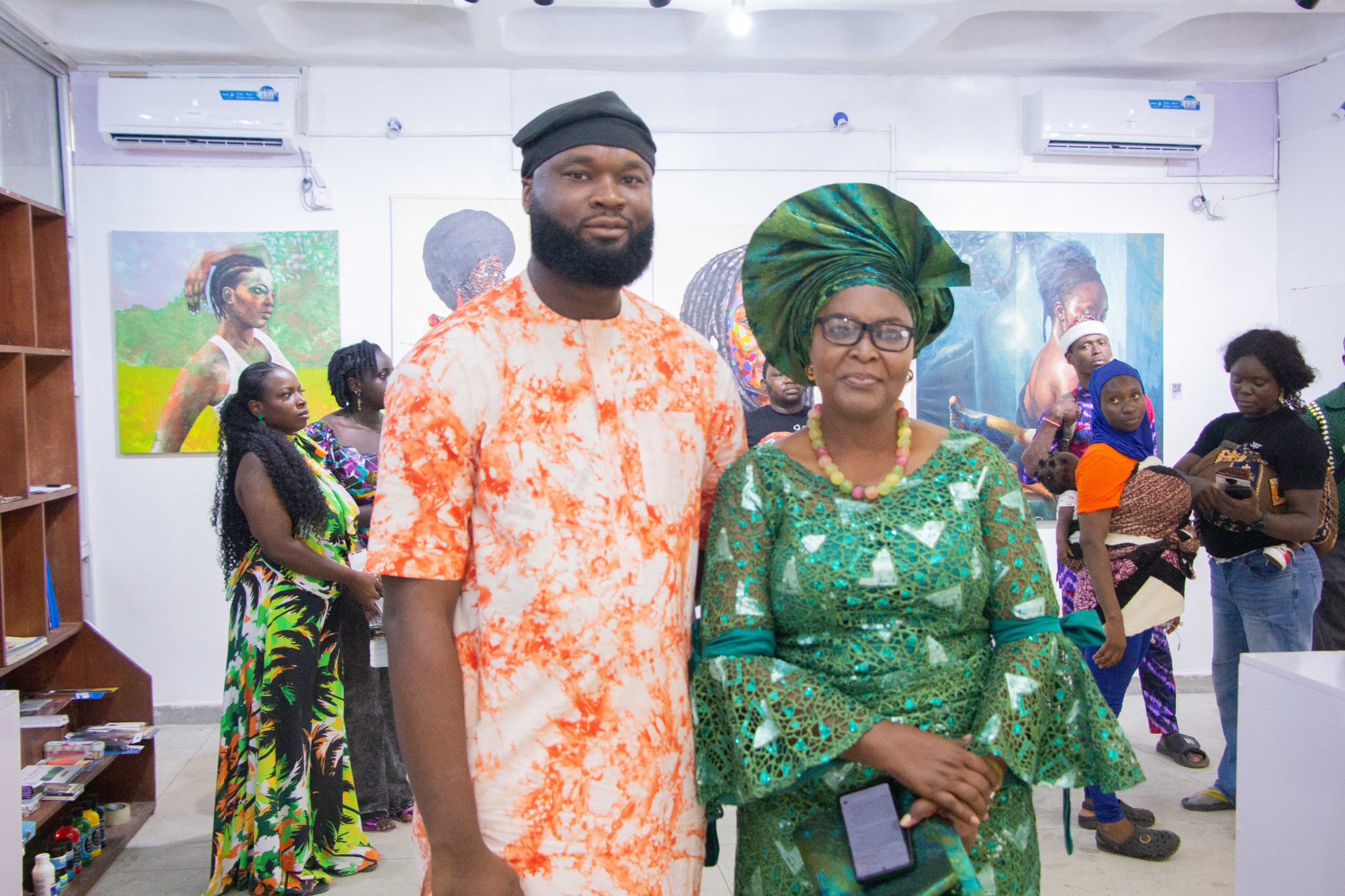
“The inspiration behind the exhibition is personal. I had been thinking about it for the past two months, especially after organising Àìmàsìkò – Ignorance of Divine Timing. At the time, I was reflecting on life, mistakes, failures and successes.
“These reflections made me realise the need to create something that would encourage people to sit down and reflect on their own lives,” he said.
Ayegbayo disclosed that planning the exhibition took six months, noting that it was the fourth exhibition organised by the gallery in 2025.
“The first was Àìmàsìkò, a private opening at the Ibadan Golf Club. The second was the main Àìmàsìkò event. The third was the inaugural exhibition at the Omoọba Yemisi Adedoyin Shyllon Exhibition Hall, and this is the fourth, Ìrìnàjòedá,” he said.
He added that plans were already underway to make 2026 an exciting year, including an exhibition featuring 52 artists and 520 artworks, as well as several solo exhibitions.
“We also want to create a synergy between fashion and art, something many people find challenging. By November 2026, we will be doing that. There are many programmes lined up between January and December 2026, and they will be executed professionally,” Ayegbayo said.
Reflecting on the gallery’s journey, Ayegbayo expressed satisfaction with what Constance and Sons Gallery had achieved since its conception in 2018 and commencement of operations in 2020.
“For many years, African art was relegated to the background. Some people found it difficult to relate to or understand African art.
“But Constance and Sons Gallery has successfully showcased African artists on the global stage. We will continue to expand and explore, ensuring that people around the world understand that African art is among the best in the world.”
Meanwhile, Otuka, while giving guests a preview of the exhibition, described it as immersive.
“When we say immersive, we mean that you come, look at the artworks and immerse yourself in them, absorb them, digest them.
“Ìrìnàjòedá is not just an exhibition; it is about humanity, emotions and personal journeys. When you stand before a painting and understand its message, it resonates with you because many of us have walked similar paths,” she explained.
Otuka also expressed appreciation to Constance and Sons Gallery for providing a platform that elevates meaningful artistic conversations.
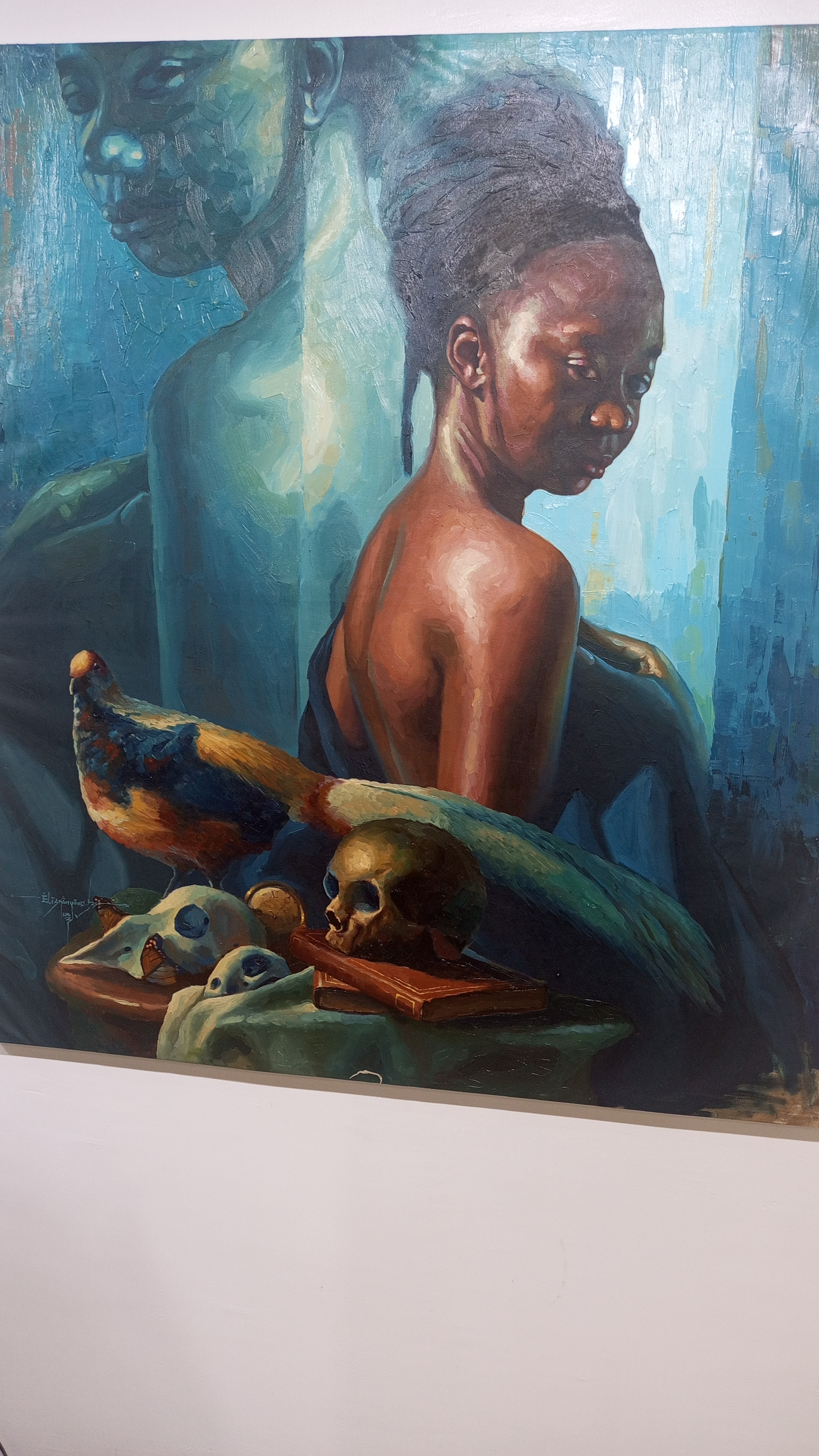
“I strongly believe in the power of exhibitions like this to bridge cultures, preserve memory and foster dialogue. This collaboration shows how institutional and private cultural spaces can work together to deepen public engagement with art and heritage. I commend the artists for their courage, creativity and sincerity.
“As you move through the exhibition, I encourage you to look beyond the surface of each artwork, engage with the stories, feel the emotions and allow yourself to become part of this journey.
“May Ìrìnàjòedá inspire reflection, connection and renewed understanding of our shared humanity. Once again, I welcome everyone and wish you a truly enriching exhibition experience,” Otuka concluded.
Comments