



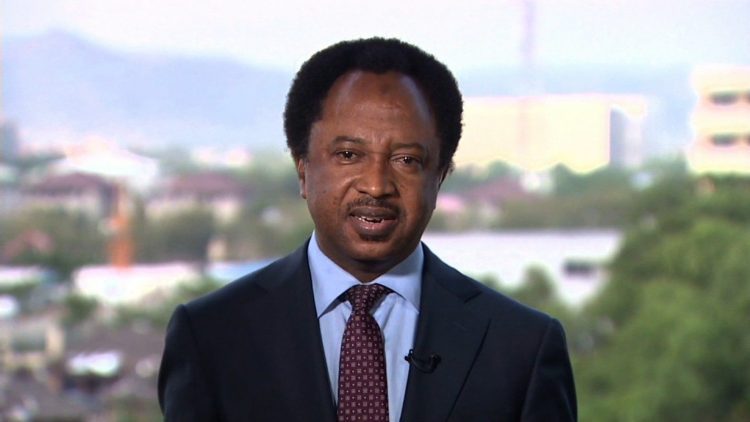
Shehu Sani speaks on U.S.’ Military strikes on terrorist in North-West

 Quick Read
According to him, the activities of armed groups have affected people across religious and ethnic lines, with entire communities bearing the brunt of their brutality.
By Kazeem Ugbodaga
Former Kaduna Central senator, Shehu Sani, has described reported military strikes against terrorist enclaves in North-West Nigeria as a “conscionable action” if they were truly carried out in collaboration with Nigerian authorities.
Sani was reacting to a post by United States Africa Command (AFRICOM) on its verified X (formerly Twitter) handle, which suggested that recent airstrikes on terrorist targets in the region were a joint operation with Nigerian authorities.
In a post on Friday, the former lawmaker said such cooperation, if confirmed, was justified given the scale of insecurity ravaging communities in the North-West.
“Terrorists have become cancerous cells in our part of the country. They live by the sword,” Sani stated, stressing that decisive action was necessary to curb the persistent violence, kidnappings and attacks that have plagued the region.
He also dismissed narratives suggesting that terrorist groups selectively target adherents of a particular faith, describing such claims as “absolutely false and misleading.”
According to him, the activities of armed groups have affected people across religious and ethnic lines, with entire communities bearing the brunt of their brutality.
While acknowledging the possible role of foreign partners in counterterrorism efforts, Sani cautioned against overreliance on external powers for Nigeria’s security.
“The ultimate security and peace in our country lies with ourselves and not with the US or any foreign power,” he said.
He added that although foreign forces could carry out strikes either jointly with Nigerian forces or independently, such interventions could only be complementary and not a permanent solution to Nigeria’s security challenges.
“They can strike, but they can’t eternally fight our battles,” Sani noted, underscoring the need for Nigeria to strengthen its own security architecture and internal capacity to tackle terrorism and banditry.
Comments