


Army unmasks coordinator of Maiduguri Mosque bombing

 Quick Read
According to the Army, further intelligence indicated that Umar directly orchestrated the suicide bombing at Gamboru Market Mosque on 24 December 2025, where an accomplice, Adamu, detonated a suicide vest.
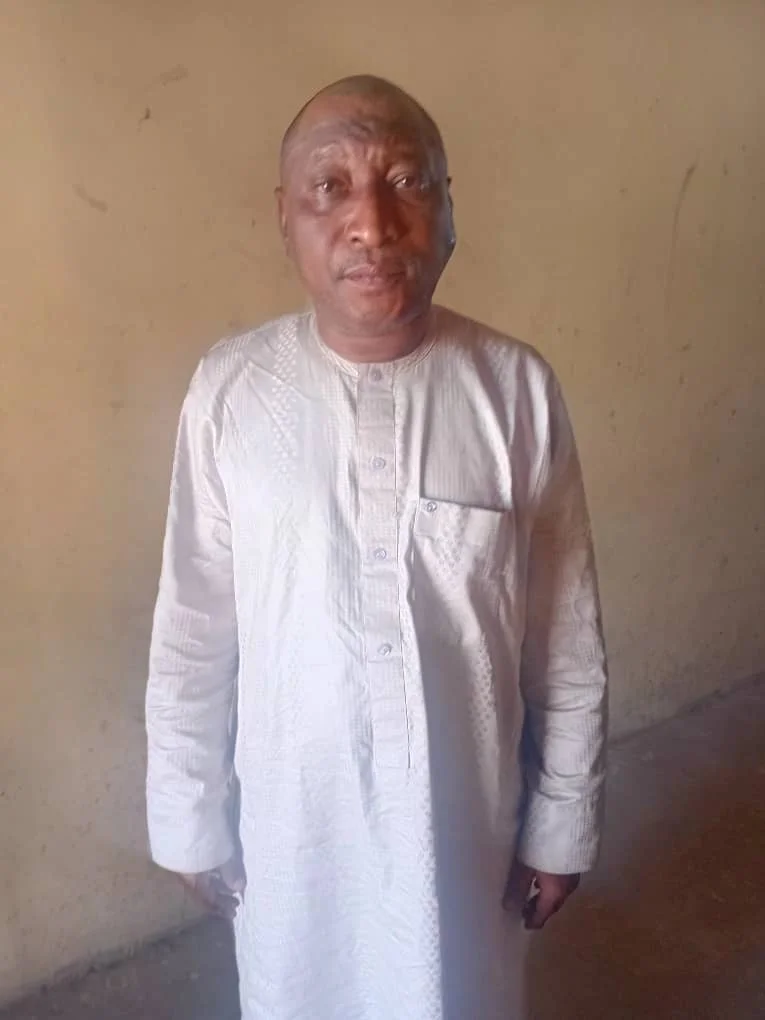
The Nigerian Army, under the auspices of Operation HADIN KAI (OPHK), has identified Shariff Umar, also known as Yusuf, as the chief organiser of a suicide bombing network responsible for a string of attacks in the North-East.
The breakthrough emerged from intelligence-led cordon-and-search operations carried out on 31 December 2025 in the Kalmari area of Maiduguri, during which 14 individuals linked to suicide bombing activities were apprehended, says the Army.
Confirming the findings on Saturday, OPHK’s Media Information Officer, Lt.-Col. Sani Uba, said investigations revealed Umar’s central role in recruiting, training and deploying suicide bombers, in addition to overseeing logistics and the delivery of improvised explosive device (IED) components.
“During the investigation, a suspected suicide bomber currently in custody, Ibrahim Muhammad, unequivocally identified Shariff Umar as the ringleader and coordinator of the terror network,” Uba said.
According to the Army, further intelligence indicated that Umar directly orchestrated the suicide bombing at Gamboru Market Mosque on 24 December 2025, where an accomplice, Adamu, detonated a suicide vest. He was also connected to a foiled attack in Damaturu, personally handing IED components to the intended bomber prior to the failed operation.
Investigations have revealed additional network links, including the involvement of Umar’s wife, Yagana Modu, while his stepdaughter, Amina, reported having seen the suspect bomber at their residence.
“These revelations exposed the domestic and community-based concealment methods employed by terrorist facilitators to evade detection,” Uba explained.
All 14 suspects remain in custody and are undergoing thorough, multi-layered investigations designed to dismantle the network completely, uncover further collaborators, and recover any remaining explosives.
Uba emphasised that the success of the operation highlights the critical role of timely intelligence and community cooperation.
“Terrorist networks often survive by hiding within communities, exploiting silence, fear or misplaced loyalty. Timely information from law-abiding citizens remains one of the most powerful tools in preventing attacks and saving innocent lives,” he said.
The OPHK spokesman urged residents to remain vigilant and report suspicious activity promptly, stressing that trust and cooperation between civilians and security forces are vital to achieving lasting peace in the North-East.
Comments