


Lagos Assembly pumps additional N162.89bn into Sanwo-Olu’s budget, passes N4.4trn

 Quick Read
The legislative action took place on Thursday, transforming the original N4.237 trillion proposal into a robust N4.4 trillion appropriation.
By Kazeem Ugbodaga
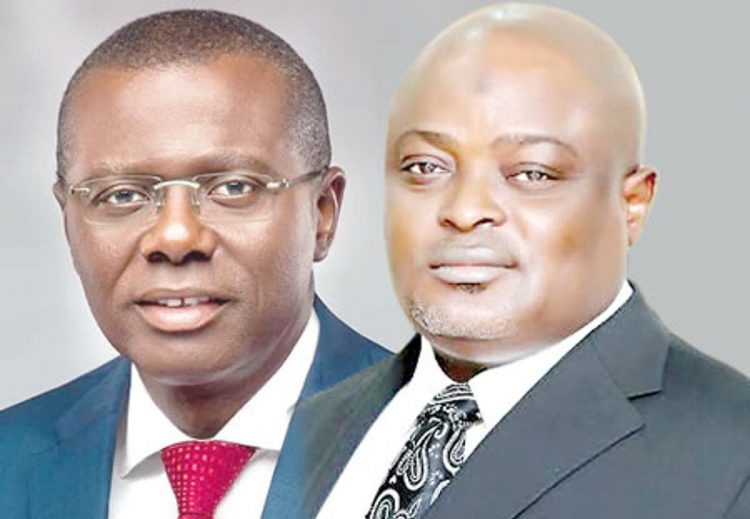
The Lagos State House of Assembly has passed Governor Babajide Sanwo-Olu’s 2026 budget into law after increasing the proposed amount by an additional N162.89 billion.
The legislative action took place on Thursday, transforming the original N4.237 trillion proposal into a robust N4.4 trillion appropriation.
Presented by Governor Sanwo-Olu in November 2025 under the theme “Budget of Shared Prosperity,” the fiscal plan emphasizes infrastructure, education, healthcare, economic growth, and social development.
More than 52 percent of the total allocation is dedicated to capital projects, reflecting a deliberate strategy to foster long-term, inclusive growth across the state.
This record-sized budget continues Lagos State’s impressive trajectory of fiscal expansion.
From N1.1 trillion in 2021, the state’s annual spending has grown steadily, reaching N3.367 trillion in 2025 before this latest milestone.
The increase is supported by strong internally generated revenue performance and federal allocations, enabling ambitious investments amid rapid urbanization and emerging challenges such as traffic management, flooding, and public service demands.
The enhanced funding aligns with the administration’s T.H.E.M.E.S+ development agenda, prioritizing legacy projects in transportation, health facilities, education infrastructure, and youth empowerment. Economic affairs and general public services receive substantial shares, while security, environmental resilience, and social inclusion remain key focus areas.
The close collaboration between the executive and legislature, often highlighted by House Speaker Rt. Hon. Mudashiru Obasa, ensured thorough scrutiny and stakeholder input during the review process. The additional allocation addresses priorities identified through committee deliberations, reinforcing the budget’s responsiveness to citizens’ needs.
Comments