


Lagos – Where the Streets Still Decide the Sound

 Quick Read
Lagos has always been the final authority on Nigerian pop culture. Long before radio programmers, streaming algorithms, or brand endorsements arrive.
By Emmanuel Daraloye
Lagos has always been the final authority on Nigerian pop culture. Long before radio programmers, streaming algorithms, or brand endorsements arrive. Just like the old saying “Na street go decide watin go trend or watin go die”, meaning the streets decide what lives and what dies. From Agege to Bariga, from Iju Ishaga to Ikorodu and Akoka Yaba, even some area on the island music is not merely entertainment, it is survival language. These neighbourhoods, shaped by systemic neglect and intergenerational struggle, continue to produce artists who understand rhythm as resistance and sound as social mobility. Here Nigerian street music takes on a life of its own, and True Street is born; With all its vices.
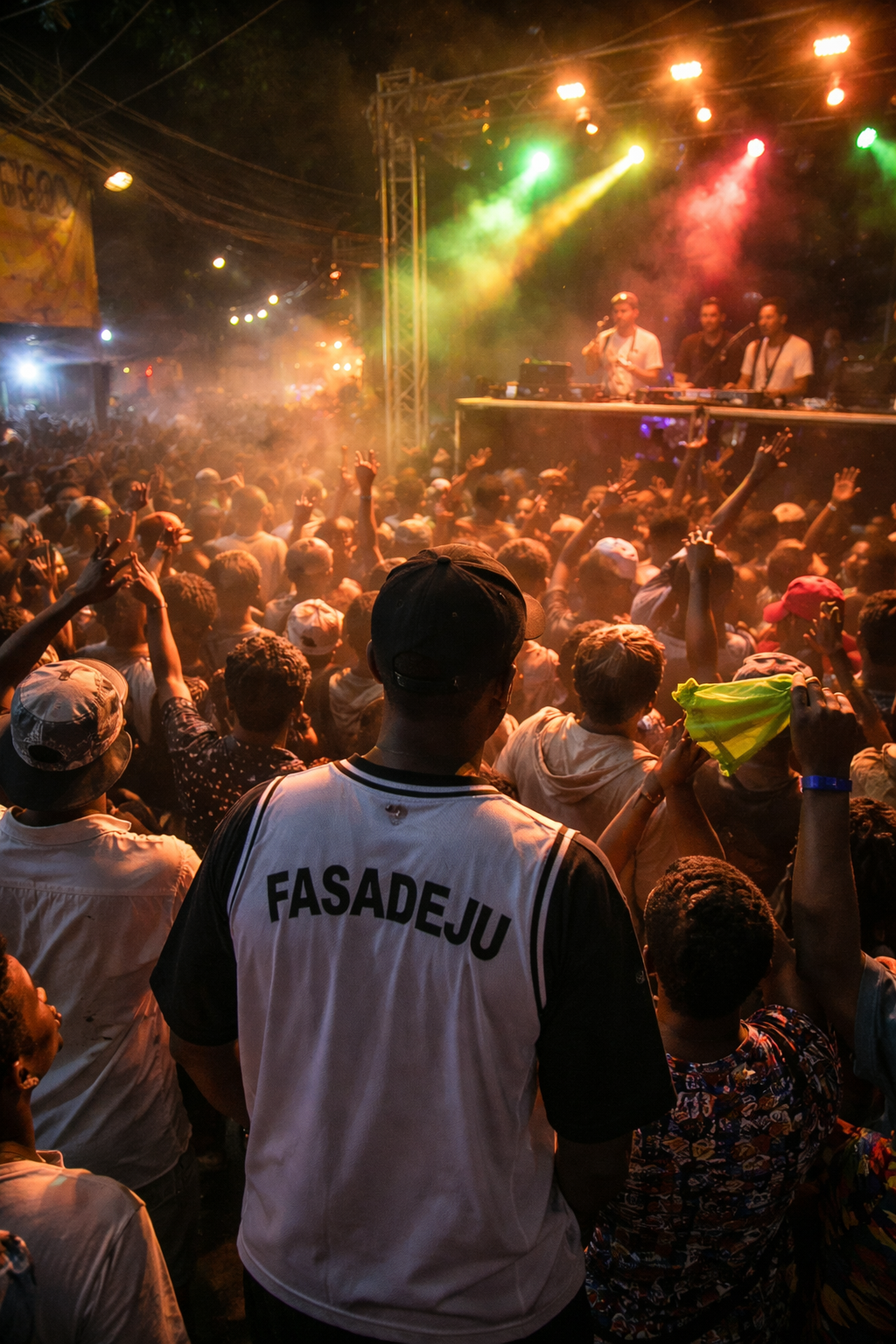
This same terrain gave Nigeria acts like Zinoleesky, Seyi Vibez, Poco Lee, Asake, Lil Kesh and the extended YBNL circle especially creatives whose work sits at the intersection of hustle, pain, celebration, and ambition. What we now call “street pop” or “true street” is not a genre invented in studios; it is forged in crowded buses, night raves, betting shops, and unregulated dance floors where the body responds before the mind can process what is going on.
At its core, true street music is unruly. It pushes back against neat and regular Afrobeats packaging, It does not ask for permission, insisting on telling stories that are rough-edged, very heavy on slangs, and sometimes uncomfortable to posh audience. It is this refusal to be polished too early that continues to keep the movement alive.
Over the last few years, street music has entered a new phase that is less predictable and is more hybrid. Producers and DJs are increasingly fusing indigenous percussion with electronic textures, techno tempos, and chant-driven hooks. These sounds circulate first as snippets, freestyle remixes, and DJ edits on social media, street carnivals before finding their way into clubs and, eventually, mainstream playlists and DSPs.
It is within this experimental ecosystem that talents Nelson Fasadeju has quietly built a reputation.
Fasadeju did not emerge as a fully formed producer-star. His background spans underground singing, songwriting, and beat-making, this is a multidisciplinary approach that is common on the streets, where creative roles often overlap out of necessity. His early exposure came through a remix of Naira Marley’s “Wahala”, created during the viral challenge wave that has become a modern audition system for street producers. The remix, which included his own vocal interpretation, travelled quickly online and introduced his name to a wider audience.
it wasn’t his technical perfection that stood out, it is the instinct. Fasadeju demonstrated an understanding of timing, knowing when to enter a conversation already happening on the streets and add something personal without overpowering the original.
However, not all of Fasadeju’s work has landed with the same clarity. His contribution as producer on Davolee’s rap single “Ika” revealed some of the growing pains common to emerging producers navigating crossover spaces. The decision to pair Davolee’s emotionally grounded rap style with an amapiano-influenced beat felt misaligned to sections of the artist’s core fan base. While experimental risk is essential to street music’s evolution, this particular fusion highlighted the importance of sonic empathy while also understanding not just trends, but the emotional language of the artist involved, especially a rapper like Davolee.
This moment is important in evaluating Fasadeju’s development. Rather than signalling failure, it marked a learning curve: the difference between chasing a sound and shaping one intentionally.
Subsequent releases and remixes like “Kowale” by Destiny boy that he produced and co-wrote, this suggest clarity. His input on this work and others shows more restraint, better pacing, and a stronger commitment to high-energy street rhythms where his instincts appear most confident.
Street music in Lagos cannot be separated from dance. Movements like Shaku Shaku and Zanku (legwork) did more than entertain, they redefined public space, collapsing age, class, and geography into shared physical expression. These dances thrived because the music that powered them was elastic, repetitive, and confrontational in the right places.
Fasadeju’s heavily remixed Lagos Scata beat sits within this lineage. The sound draws from traditional African rhythmic patterns but is aggressively reworked with electronic distortion and rave-oriented structure. In live DJ environments, the beat refuses choreography. There are no instructions, no manuals, just vibes, and only movement. This quality has made it popular in underground raves, where bodily release matters more than spectacle.
At the same time, the lack of structure can become a limitation if not carefully controlled. As Fasadeju’s audience grows, his challenge will be learning how to preserve rawness while introducing moments of tension, silence, or melodic anchoring that allow the music to travel beyond niche rave settings.
One of the defining strengths of the current street movement is its collective nature. DJs like CORA, Tansho, and Khalifa, alongside producers and dancers, operate less as competitors and more as co-conspirators. The emergence of the Mara dance that was developed by Daniel Chisom, widely known as Odogwu Mara is a clear example of how movement, sound, and community interact.
The Mara beat’s fast tempo, chant-driven breaks, and exhausting physical demand reflect a generation processing anxiety, ambition, and joy simultaneously. Creatives like Fasadeju have helped push this sound into spaces previously reserved for Western electronic music, challenging the idea that Nigerian street sound must remain local to remain authentic.
Nelson Fasadeju represents a broader generation of Nigerian street creatives who understand that visibility is no longer the hardest part but direction is. His strongest work thrives when he leans fully into high-energy, rhythm-first production rooted in dance culture. His weaker moments emerge when experimentation lacks narrative grounding.
If Fasadeju is to play a lasting role in the future of Nigerian street pop, his next phase will require deeper editorial discipline: choosing collaborations more carefully, refining transitions, and developing a sonic signature that remains identifiable even as trends shift.
But the truth is, street music has never rewarded perfection, it rewards honesty, timing, and growth. Fasadeju’s journey so far suggests he understands this. Whether he becomes a defining architect of the sound will depend on how intentionally he evolves within it.
Comments