



2027: Abdullahi laments lack of unity among ADC leaders

 Quick Read
Abdullahi lamented that voters perceived rivalry and factional enclaves rather than unity and cooperation in the ADC.
By Nefishetu Yakubu
Mallam Bolaji Abdullahi said on Tuesday noted that while Nigerians appeared politically ready for 2027, leaders of the the African Democratic Congress (ADC) were not united enough.
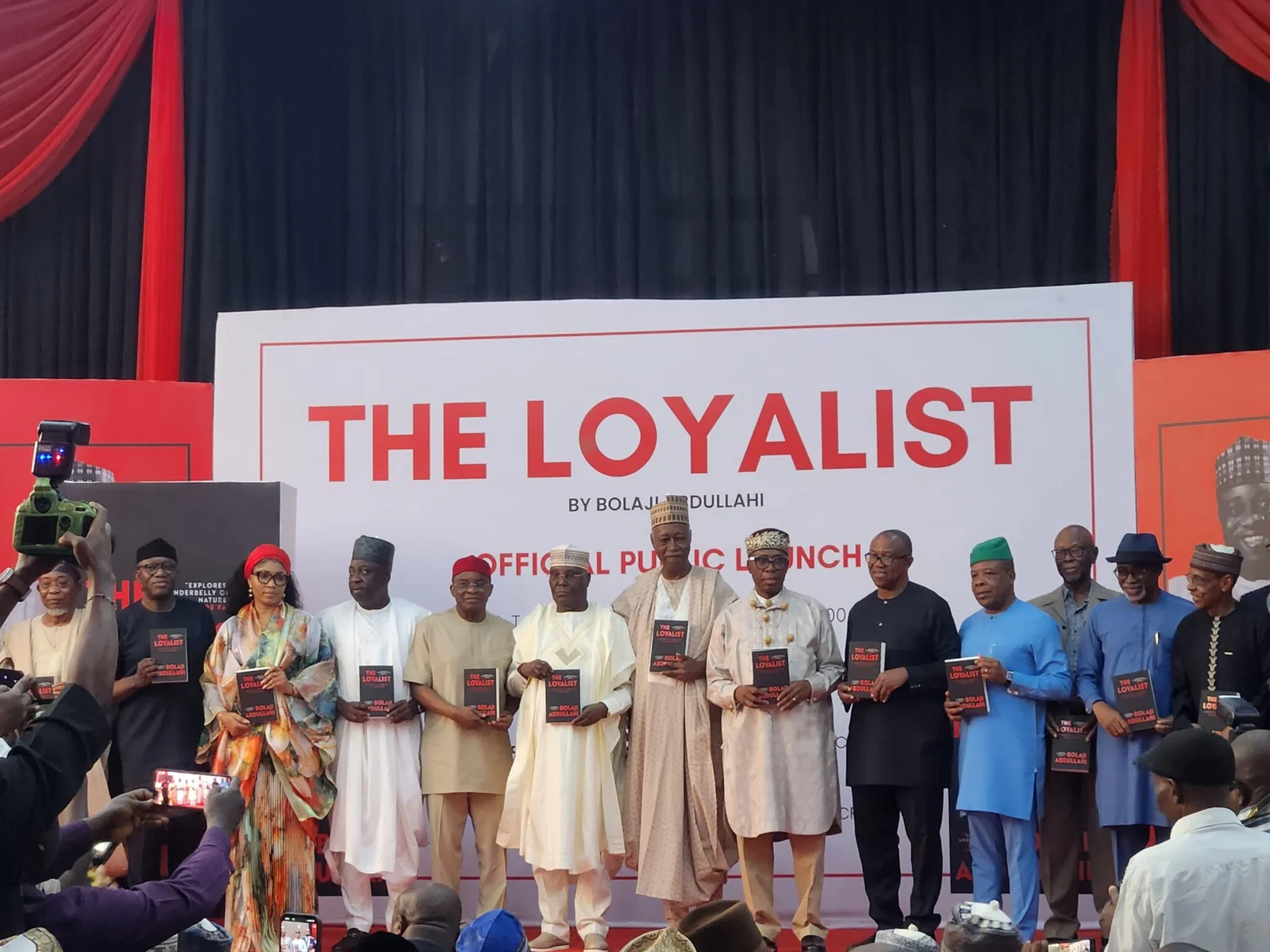
Abdullahi, the ADC National Publicity Secretary, made this known during the public presentation of his book, entitled “The Loyalist ” in Abuja.
The former minister of sports lamented that voters perceived rivalry and factional enclaves rather than unity and cooperation in the ADC.
He insisted that Nigeria had no alternative, urging leaders to prioritise national survival of the party beyond donations, personal ambition, and popularity.
“Citizens nationwide are waiting on us not to fail them. Public expectations are high,” he said.
He appealed for unity within ADC, urging followers to channel passion into one party, saying that the mission outweighed individuals, ambitions, and partisan interests.
Dr Hakeem Baba-Ahmed, the book reviewer, said that the title The Loyalist stirred both curiosity and prejudice, but that the book proved compelling, honest, and self-justifying rather than self-indulgent.
The ten-chapter, 297-page autobiography, he said, was among the most readable books recently, adding that the book examined courage, intellect, character, and Nigeria’s evolving social and political realities.
Baba-Ahmed said that the book recalled eras of public education, influential journalism, and respected media, and portrayed how power, institutions, and individuals shaped opportunities for young Nigerians.
He noted that the narrative candidly explored loyalty, the shadows of power, and Abdullahi’s relationship with Bukola Saraki, capturing influence, rise, decline, and enduring political lessons.
The reviewer said that the book challenged myths of self-made leaders, argued that politics demands patrons, sacrifices, failures, and resilience, and offered rich lessons for students of power.
He concluded that the book deserved wide readership, especially as Nigeria needed strong opposition, credible alternative, and reflective leaders ahead of 2027’s defining political choices.
(NAN)
Comments