


Japan to restart world’s largest nuclear power plant

 Quick Read
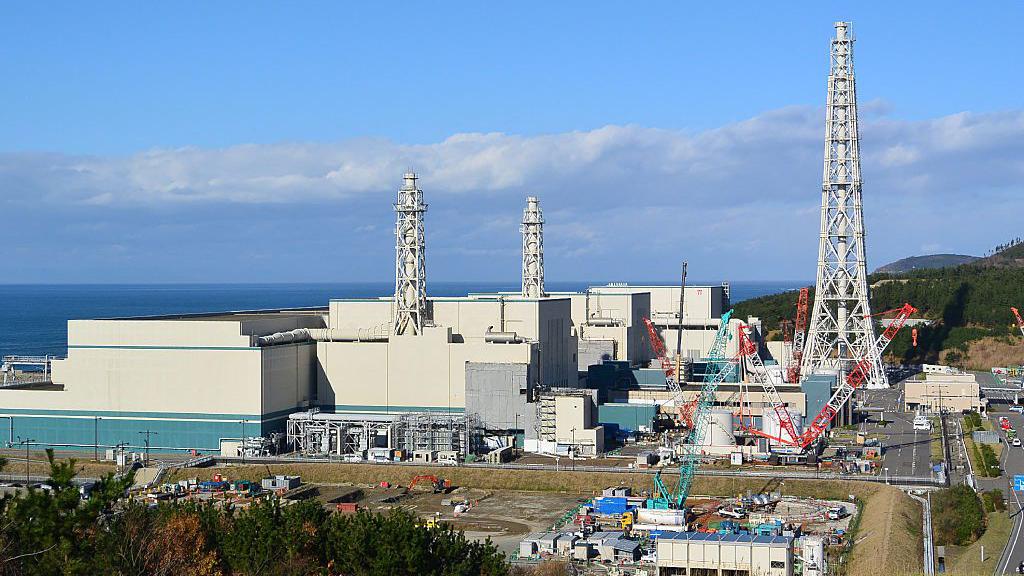
Japan is set to restart the Kashiwazaki-Kariwa nuclear power plant, the world’s largest by potential capacity, after a brief suspension of its first restart since the 2011 Fukushima disaster.
Japan is set to restart the Kashiwazaki-Kariwa nuclear power plant, the world’s largest by potential capacity, after a brief suspension of its first restart since the 2011 Fukushima disaster.
The plant, operated by Tokyo Electric Power Company (TEPCO), had initially resumed activity on January 21 but was shut down the following day after an alarm from the monitoring system was triggered. Takeyuki Inagaki, head of the Kashiwazaki-Kariwa facility, explained that the alarm detected slight changes in the electrical current of one cable—well within safe operational limits—and that the settings had now been corrected.
Inagaki confirmed that the reactor will be restarted on February 9, with commercial operations scheduled to begin on or after March 18, following a comprehensive inspection. Only one of the plant’s seven reactors will resume activity initially.
The Kashiwazaki-Kariwa plant has been offline since Japan suspended nuclear power after a massive earthquake and tsunami caused the Fukushima Daiichi disaster in 2011. TEPCO also operates the Fukushima plant, which is currently being decommissioned.
Japan’s renewed focus on nuclear energy is part of a broader plan to reduce reliance on fossil fuels, achieve carbon neutrality by 2050, and meet growing energy demands driven by artificial intelligence and industrial growth.
However, the restart is deeply controversial among local residents. A September survey by Niigata Prefecture indicated that roughly 60 percent of residents oppose the restart, while 37 percent support it. In January, seven civic groups submitted a petition signed by nearly 40,000 people to TEPCO and Japan’s Nuclear Regulation Authority, warning that the plant is located on an active seismic fault and recalling the strong earthquake that struck the facility in 2007.
Comments