



The audacity of the Panenka: genius, gamble or gamesmanship?

 Quick Read
To understand the intent, it helps to revisit the origin. Panenka honed the method in training with Bohemians Prague, wagering chocolate and beer with his goalkeeper after sessions. He observed a pattern: keepers, under pressure, tended to move early
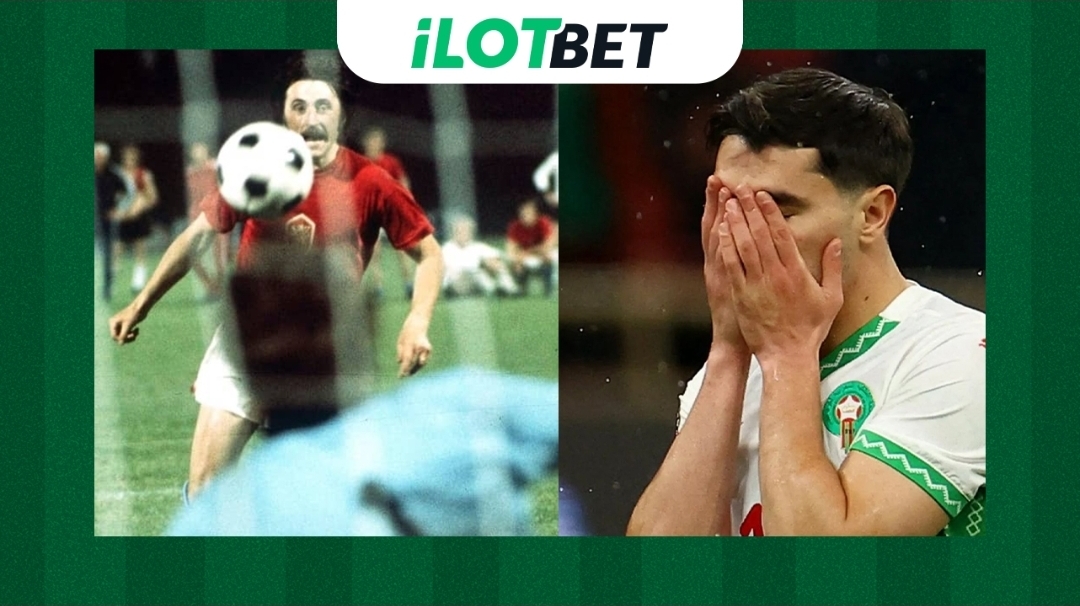
On a warm evening in Belgrade in June 1976, a penalty kick altered football’s emotional vocabulary. With the final of the UEFA Euro 1976 Final poised at the edge of history, Antonín Panenka walked towards the spot for Czechoslovakia national football team against West Germany national football team. Opposite him stood Sepp Maier, one of Europe’s most formidable goalkeepers.
Panenka did not blast the ball into the corner. He did not disguise a side-foot into the side netting. Instead, he delicately chipped it down the centre as Maier committed to his dive. Czechoslovakia were champions. A technique had acquired a name.
Half a century on, the Panenka remains football’s most divisive penalty. Is it disrespectful theatre, a humiliating flourish designed to mock a diving goalkeeper? Or is it simply a rational, high-level solution to a recurring tactical problem?
To understand the intent, it helps to revisit the origin. Panenka honed the method in training with Bohemians Prague, wagering chocolate and beer with his goalkeeper after sessions. He observed a pattern: keepers, under pressure, tended to move early. The penalty, in elite football, had become a psychological race. The taker waits for movement; the keeper attempts to anticipate. The Panenka was not conceived as mockery but as mathematics, a response to probability.
At its core, the chipped penalty exploits the goalkeeper’s most natural instinct. Faced with a split-second decision and the fear of appearing static, most keepers commit to one side. By lifting the ball gently into the middle, the taker converts that commitment into vulnerability. It is less about flair than about timing; less about arrogance than about nerve.
Yet perception shapes narrative. When the ball floats into the net and the goalkeeper sprawls helplessly, it can look like theatre. In high-stakes matches, particularly derbies or finals, opponents may interpret the act as an affront. The line between composure and provocation is thin. A Panenka that succeeds is hailed as genius; one that fails is condemned as vanity.
But to reduce it to disrespect misses the technical reality. The Panenka is among the riskiest penalties a player can take. If the goalkeeper delays his dive or stands tall, the taker is exposed. There is no power to rescue misjudgment. It demands an acute reading of the opponent’s tendencies, how early he moves, how often he waits, how he behaves under pressure. In that sense, it is an act of informed calculation.
Modern analytics reinforce the point. Studies of penalty behaviour show that many goalkeepers still commit early, particularly in shootouts where anticipation is prized. The Panenka, used sparingly and with precision, remains statistically viable. It is not a trick shot; it is a countermeasure.
There is also a psychological dimension. By signalling supreme calm, the taker attempts to reverse the pressure dynamic. The goalkeeper, aware of the possibility of being chipped, may hesitate a fraction longer than usual. That hesitation can open the corners. Even the threat of a Panenka alters the duel.
Football culture, however, is rarely neutral. Fans cherish power and decisiveness in moments of jeopardy. A thunderous strike into the top corner feels authoritative. A dinked chip feels playful. In a sport that often equates seriousness with intensity, playfulness can be mistaken for disrespect.
Perhaps the enduring fascination of the Panenka lies in its symbolism. It challenges convention in the most unforgiving scenario. It asks whether bravery can look gentle rather than forceful. It reminds us that intelligence and audacity often share the same space.
Panenka’s original act in 1976 was not designed to belittle Maier. It was a solution born of observation and practice. That it became iconic is testament to the nerve required to attempt it when a nation’s hopes rested on a single touch.
Disrespectful? Only if one confuses imagination with insolence. The Panenka is, above all, a study in anticipation, a quiet wager that the goalkeeper will move first.
For more insight, analysis and smart football picks, explore the latest features and predictions at iLOTBET.
Comments