



INEC defends February 20 poll date amid rising outcry

 Quick Read
The Independent National Electoral Commission (INEC) has strongly defended its decision to fix February 20 and March 6, 2027, for Nigeria’s next general elections.
By Kazeem Ugbodaga
The Independent National Electoral Commission (INEC) has strongly defended its decision to fix February 20 and March 6, 2027, for Nigeria’s next general elections.
The commission insisted the timetable strictly follows constitutional and regulatory provisions, even as it acknowledged mounting stakeholder concerns over the timing.
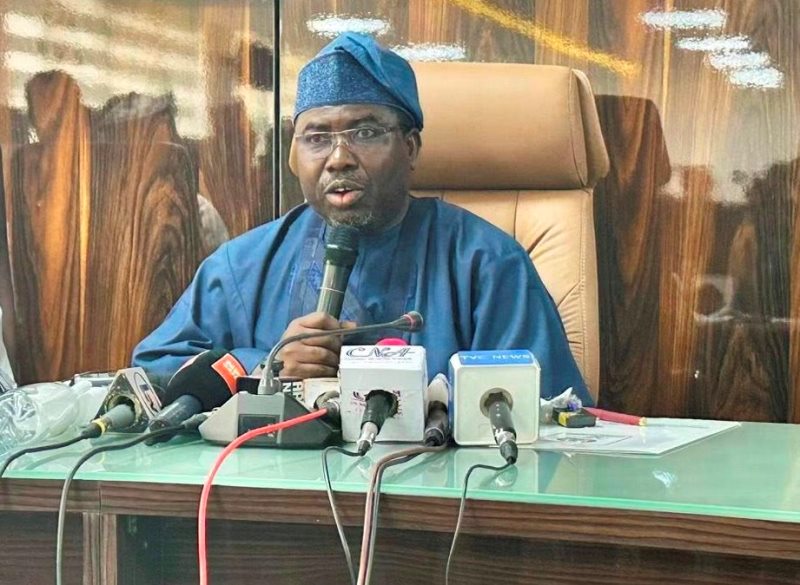
In a press statement signed by National Commissioner and Chairman of the Information and Voter Education Committee, Mohammed Kudu Haruna, the Commission stated that the dates were not arbitrarily chosen but are anchored in the 1999 Constitution (as amended), the Electoral Act 2022, and INEC’s 2019 Regulations and Guidelines for the Conduct of Elections.
According to the Commission, Paragraph 2 of its regulations clearly provides that presidential and National Assembly elections shall hold on the third Saturday of February in a general election year, with governorship and State Houses of Assembly elections taking place two weeks later.
“In faithful observance of these extant legal and regulatory provisions,” INEC fixed Saturday, February 20, 2027, for the Presidential and National Assembly polls and Saturday, March 6, 2027, for the Governorship and State Assembly elections.
The clarification comes amid criticism from political actors and religious stakeholders who argue that the February 20 date falls within the Ramadan fasting period, potentially affecting voter turnout in parts of the country.
While maintaining that it acted within the law, INEC signalled it may not be inflexible. The Commission disclosed that it is currently consulting stakeholders and could seek legislative intervention if adjustments become necessary, provided any changes remain consistent with constitutional and statutory requirements.
INEC reiterated its commitment to transparency and inclusivity, promising to keep the public informed of further developments.
Under Nigeria’s electoral framework, the Commission is constitutionally empowered to fix election dates, but such dates must fall within legally defined timelines ahead of the expiration of existing mandates.
The 2027 general election will mark the next nationwide contest following the 2023 polls that produced President Bola Tinubu and a new National Assembly, and it is expected to test the implementation of reforms introduced under the Electoral Act 2022, including technological innovations such as BVAS and IReV.
Comments